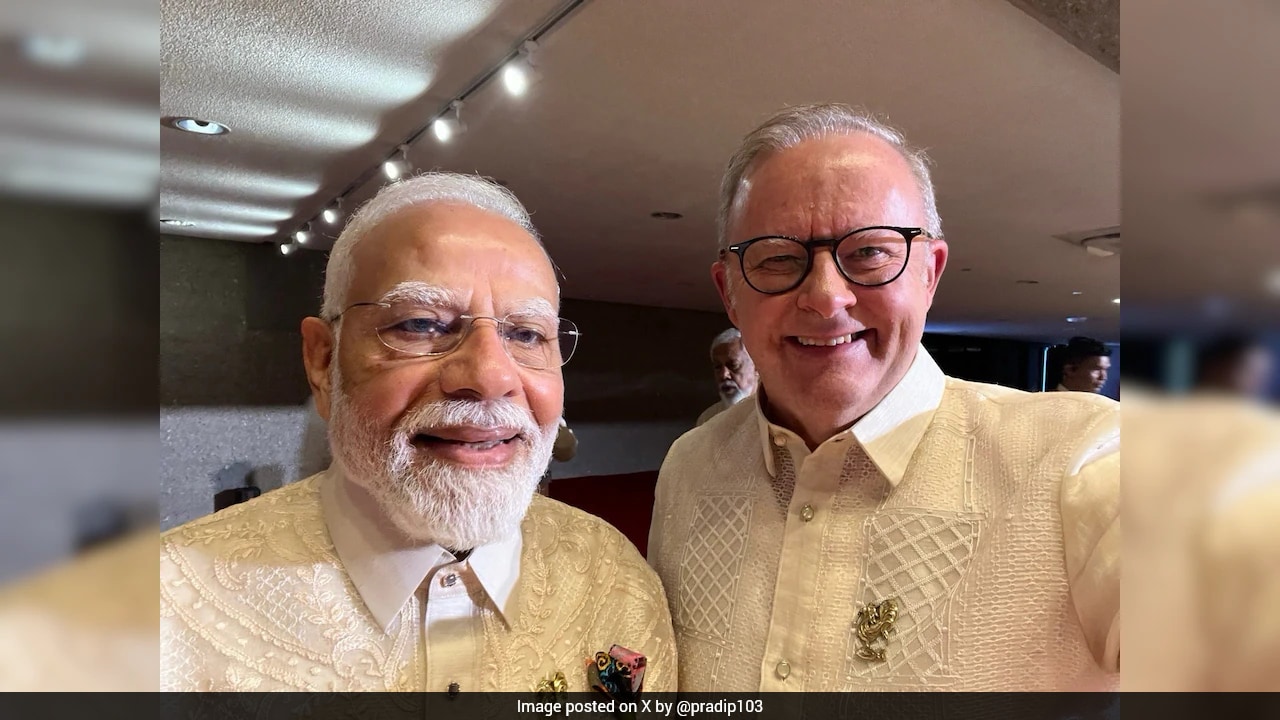
When world leaders gather for regional summits, wardrobe choices rarely happen by accident. Every piece of fabric is a carefully calculated diplomatic signal, sent to bridge cultures or project national identity without saying a single word. Prime Minister Narendra Modi just delivered one of those sharp cultural signals at the 49th ASEAN Summit gala dinner in Manila. Instead of his signature kurta, he stepped out wearing a traditional Filipino Barong Tagalog, instantly capturing headlines across Southeast Asia.
Let's look past the surface photo-op. What does this sartorial choice reveal about India's deeper diplomatic playbook in the region?
The Symbolism Behind the Barong Tagalog
The Barong Tagalog isn't just a regular shirt. It’s the national formal attire for Filipino men, traditionally crafted from sheer, lightweight plant fibers like pineapple leaves or abaca, and worn untucked over trousers. It features intricate hand-embroidered patterns that require immense skill to produce.
When a foreign leader wears it, it signals absolute respect for local heritage. Philippine President Ferdinand Marcos Jr. and First Lady Louise Araneta-Marcos hosted the grand gala at the Philippine International Convention Centre, welcoming dignitaries from across the region. By opting into the host nation's traditional dress code, Modi bypassed standard western suits, aligning himself directly with the cultural rhythm of the Indo-Pacific.
This isn't an isolated gimmick. Modi has a history of leaning into local attire during international visits, whether donning a traditional kimono-style jacket in Japan or regional garments in Central Asia. It disarms hosts, wins over local populations immediately, and shifts the tone of bilateral talks from stiff bureaucracy to genuine camaraderie.
Beyond Fashion: The Real Stakes in Manila
A wardrobe change makes for great television, but the timing of this Manila trip carries massive strategic weight. Modi's visit for the ASEAN-India and East Asia summits comes at a critical juncture for regional stability, maritime security, and economic corridor development.
Bilateral trade between India and the ASEAN bloc sits north of 120 billion dollars, making Southeast Asia one of New Delhi's most vital economic lifelines. Under India's Act East policy and broader Indo-Pacific frameworks, maritime cooperation and supply chain resilience have taken center stage. With geopolitical tensions running high in the South China Sea, nations across the bloc are looking for reliable democratic partners who respect sovereignty and open trade routes.
India isn't just an external observer here. It's a key security and economic stakeholder. The warm reception Modi received—complete with local cultural performances and a unique theatrical staging of the Ramayana blending regional roots—highlights how deep those historical civilizational links actually run.
Cultural Diplomacy That Actually Works
Critics often dismiss cultural diplomacy as fluff. They argue that trade deals and defense pacts are all that matter in modern geopolitics. But anyone who has spent time negotiating across borders knows that trust is built in the margins.
When Indian expatriates in Manila chanted slogans, performed Bhangra, and watched children recite Sanskrit verses alongside local interpretations of the Ramayana, it created a powerful feedback loop. It reminds domestic audiences in India of the global reach of their heritage, while showing host countries like the Philippines that their culture is deeply appreciated.
Modi's Filipino makeover at the gala dinner did what hours of closed-door meetings couldn't do instantly: humanized the diplomacy. As the summits unfold, the real test will be translating this goodwill into concrete maritime and economic agreements. But for now, the message is clear. India is heavily invested in the future of Southeast Asia, and it's willing to dress the part.


