When riot police surround a country's highest court while its president cuts short an overseas trip to physically push past judges at the entrance, you aren't just looking at standard political drama. You're watching the breakdown of a constitutional system in real time.
The showdown outside Poland's Constitutional Tribunal in Warsaw between Prime Minister Donald Tusk and President Karol Nawrocki isn't merely a local spat over administrative procedure. It's a fundamental crisis over who holds legitimate authority in a key European state.
If you've been following Central European politics, you know this conflict was bound to explode eventually. The machinery of state has effectively jammed, leaving two competing political centers claiming the legal high ground while the court itself sits paralyzed.
How Warsaw Court Turned Into a Warzone
The immediate trigger for the standoff was an aggressive maneuver by Tusk's ruling coalition to bypass the tribunal's leadership. For months, Tribunal President Bogdan Święczkowski—an appointee from the previous conservative Law and Justice (PiS) administration—refused to seat judges elected by the current parliamentary majority. When the government attempted an administrative suspension of Święczkowski, substituting him with an interim head, the opposition branded the move an unconstitutional takeover.
Nawrocki, who took office as president backed by PiS and maintains strong ties to conservative figures in Washington, reacted immediately. Turning his flight around mid-air during an official visit to Senegal, he rushed back to Warsaw. Upon arrival, he confronted the court barricades directly, describing the government's intervention as a "forcible takeover of a constitutional institution".
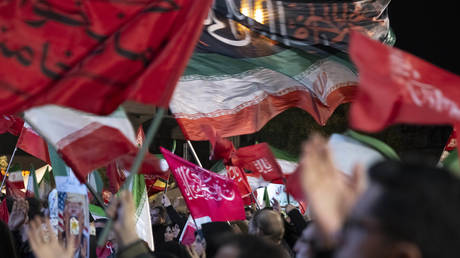
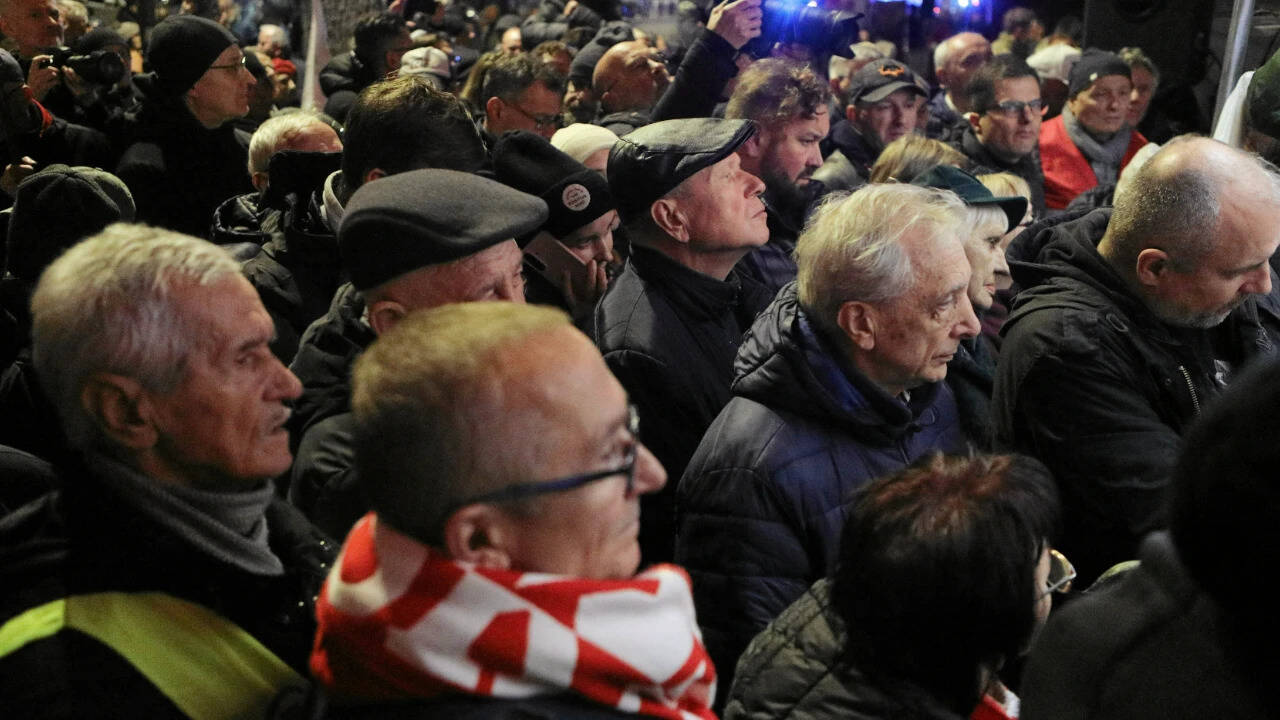
Outside, hundreds of protesters clashed with law enforcement, leading to barricade breaches and multiple arrests as police sealed off the perimeter.
┌────────────────────────────────────────────────────────────────────────┐
│                   POLAND'S DUAL-POWER CONFRONTATION                    │
├───────────────────────────────────┬────────────────────────────────────┤
│   PRIME MINISTER DONALD TUSK      │     PRESIDENT KAROL NAWROCKI       │
├───────────────────────────────────┼────────────────────────────────────┤
│ • Pro-EU, centrist coalition      │ • Conservative, backed by PiS      │
│ • Seeking to reverse PiS reforms  │ • Refuses to swear in new judges   │
│ • View court as partisan obstacle │ • Accuses PM of judicial coup      │
│ • Backed by EU judicial mandates  │ • Strong ties to US conservatives  │
└───────────────────────────────────┴────────────────────────────────────┘
The Fallacy of Restoring Order by Breaking It
Here's the core paradox that mainstream coverage routinely skips: you can't easily repair a compromised legal system using disputed shortcuts without creating a fresh constitutional nightmare.
Tusk argues that his government's decisive intervention is necessary to clean out years of politicization installed during PiS's eight-year rule. In a televised address to the nation, he stated directly that "the rule of law differs from the law of the jungle" and insisted there can be no compromise when restoring constitutional integrity.
From a purely pragmatic standpoint, Tusk faces an immense challenge. The tribunal as structured under the previous administration regularly blocked government legislation and challenged European law. Yet, by resorting to doubtful legal mechanisms—such as relying on judge seniority interpretations to suspend court leaders—Tusk gives his opponents all the ammunition they need.
PiS leaders like Jarosław Kaczyński and former PM Mateusz Morawiecki have used the incident to claim that Tusk's pro-Brussels coalition is executing a "judicial coup". When both sides view each other as fundamental threats to democracy, normal governance comes to a complete halt.
Why the Washington Factor Changes Everything
This isn't just an internal Polish political quarrel. The international dimension plays a huge role in why neither side is willing to back down.
Nawrocki has deliberately aligned himself with conservative political movements in the United States, positioning himself as a reliable partner for Washington. His political stance relies on the idea that Poland's national sovereignty is under siege from EU overreach centered in Brussels.
Tusk, on the other hand, built his political comeback on re-anchoring Poland at the center of the European Union, unfreezing tens of billions in EU funds that were held up over rule-of-law disputes during the PiS era.
Because each leader draws validation from different foreign allies, their domestic clash mirrors a larger geopolitical divide. Warsaw has effectively become the primary frontline for Europe's wider ideological struggle over national sovereignty versus integration with international blocs.
Where This Conflict Goes Next
Don't expect a quick resolution or a sudden compromise. The standoff at the Constitutional Tribunal creates three immediate practical problems:
- Legal Paralysis: Polish courts now face uncertainty over which rulings from the Constitutional Tribunal are valid, creating massive legal confusion for citizens and businesses alike.
- Legislative Stalemate: With President Nawrocki holding veto power and refusing to cooperate on judicial reform, Tusk's agenda will remain stalled in parliament.
- Electoral Volatility: With major elections approaching, both factions will continue to use the judicial crisis to rally their political bases, ensuring high public tension.
To navigate this ongoing crisis, international observers and analysts need to look past the political posturing on social media. Track official gazette publications to see which rulings are actually being enforced by state ministries, watch whether key coalition partners inside Tusk's government maintain discipline during upcoming parliamentary votes, and monitor how European institutions react if the legal tactics used by the government draw scrutiny from legal scholars across the continent.