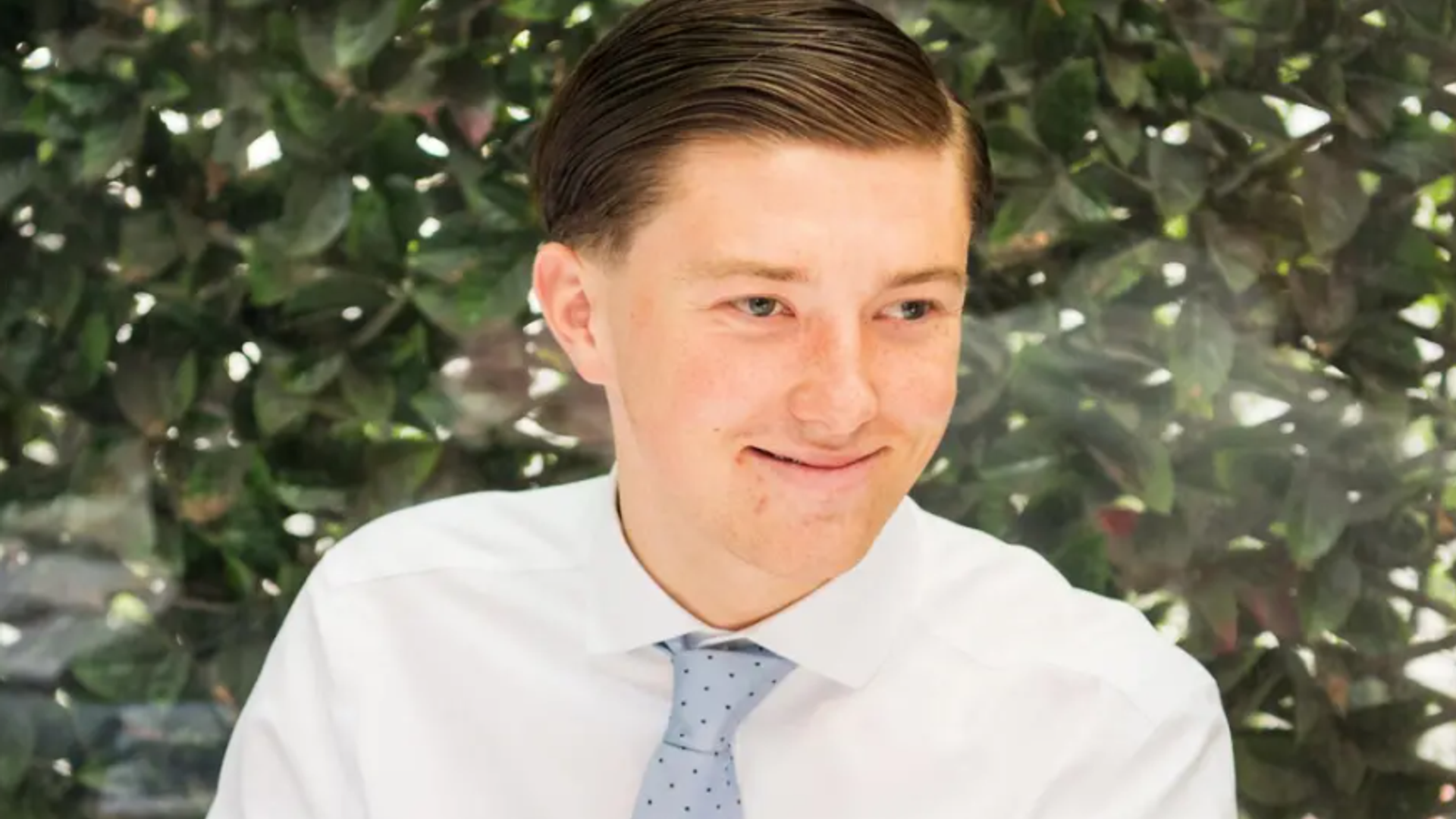
Losing a child is a parent's ultimate nightmare. Finding out that the people sworn to protect them dismissed their dying moments makes that nightmare entirely unbearable.
The family of murdered student Henry Nowak has stepped forward with harrowing allegations. They state that the police didn't just fail to protect him on the night he was killed; officers actively misled, managed, and manipulated them in their deepest grief. Meanwhile, you can read related developments here: Why The Uk Backtracked On Its Radical Legal Migration Overhaul.
If you've followed the headlines surrounding Henry Nowak, you know the basic outline. Vickrum Digwa was sentenced to life in prison with a minimum term of 21 years for murdering the student in Southampton. But the trial revealed something far darker than a single act of violence. It exposed systemic institutional failures, delayed emergency medical aid, and an initial police response that treated the dying victim as the primary aggressor.
Now, his parents, stepmother, and sister are speaking out. Their revelations demand our attention. To explore the bigger picture, check out the recent analysis by NBC News.
Why the Family Feels Hoodwinked
Mark Nowak, Henry's father, described the gradual uncovering of that night's events as an evolving nightmare. The narrative given by authorities shifted over time. Each change left the family feeling hoodwinked and lied to.
Instead of transparency right away, the family faced defensive posturing. Katie Nowak, Henry's stepmother, put it plainly: they were failed multiple times and manipulated during their darkest hours. Decisions made by the force seemed designed to protect institutional reputations rather than deliver immediate, unvarnished truth to grieving relatives.
Body-worn camera footage told a story that public relations statements tried to bury. Henry Nowak told responding officers nine separate times that he couldn't breathe and that he had been stabbed. The response from the scene? Officers dismissed his pleas, told him "Don't think you have, mate," and handcuffed a dying teenager on the pavement.
The Institutional Failure and Delayed Accountability
For months, the official watchdogs and police commands maintained a defensive wall. In April, the Independent Office for Police Conduct initially claimed no officers would face conduct or criminal investigations because no immediate concerns were flagged.
That stance collapsed under the weight of public scrutiny and courtroom evidence. Hampshire and Isle of Wight Chief Constable Alexis Boon eventually admitted a complete institutional failure, offering a public apology. Multiple officers were removed from front-line duties, and gross misconduct investigations commenced.
Yet an apology delivered long after the fact does little to heal a fractured trust. Home Secretary Shabana Mahmood announced an independent review, led by Alex Chalk KC, to dig into the statutory handling of the case and whether critical survival windows were missed.
What Most People Miss About the Aftermath
The fallout from Henry Nowak's murder extends far beyond basic failures in medical triage. In the immediate aftermath of the attack, while the family was trying to process their loss, investigators questioned them about Henry's political views and their own personal beliefs.
It was a baffling, painful interrogation born from false allegations made by the attacker at the scene. When a family is reeling from sudden, violent loss, probing their political stances feels less like a genuine investigation and more like an attempt to find justification where none exists.
Lucy Ross, Henry's mother, refused to watch the worst of the bodycam footage. She couldn't bear to hear her son begging for air while officers hesitated. But the reality of what happened remains burned into the public consciousness.
Moving Past Empty Apologies
Accountability cannot stop at a press conference or an institutional mea culpa. When emergency services fail to identify a life-threatening stab wound for eight crucial minutes—while treating a bleeding teenager as a suspect—the system requires radical restructuring.
The upcoming jury inquest and independent reviews must look past damage control. They need to answer why basic life-saving instincts were overridden by assumptions.
Henry Nowak's legacy is no longer just about the tragedy of knife crime. It stands as a stark warning about what happens when institutional self-preservation overrides basic human empathy.
Demand transparency from local authorities. Support independent oversight bodies that have teeth. Push for accountability before tragedies happen, not just after families are forced to fight for the truth on national television.