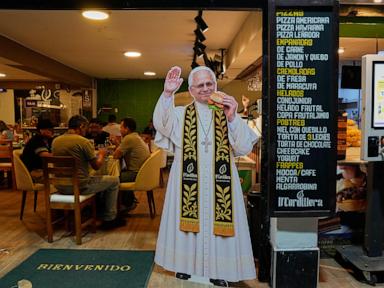
Street vendors in Chiclayo are selling baseball hats, coffee mugs, and cardboard cutouts of a broadly smiling pontiff. They call him "Padre Robert", a man who spent decades walking their dusty streets long before he ever wore white in Rome. When Pope Leo XIV touches down in northern Peru, it isn't just a standard Vatican diplomatic stop. It's a deeply emotional homecoming for a leader who treats Peru as his true spiritual homeland.
Most global media outlets frame papal tours through a purely political lens. They obsess over geopolitical statements or Vatican strategy. But down on the ground in Chiclayo, the story is entirely different. This is about a pastor returning to the flock he served through floods, political turmoil, and everyday struggles.
The Roots of Padre Robert in Chiclayo
Long before the world knew him as Pope Leo XIV, Robert Prevost spent roughly twenty years as a missionary priest and bishop in Peru. He didn't just pass through. He embedded himself in the local community.
When severe flooding hit the region and water reached people's necks, locals remember that Prevost was right there on the front lines offering help. During the height of the COVID-19 pandemic, he led fundraising efforts to secure vital oxygen plants for struggling hospitals. That kind of hands-on presence builds a bond that a papal election cannot erase.
It's why prisoners at the Chiclayo penitentiary spent weeks in the carpentry workshop carving a custom pastoral staff by hand just to present it to him upon his return. They remember a bishop who celebrated Mass behind bars when nobody else was paying attention.
What the Vatican Press Misses About Popemania
If you walk through the plaza outside Chiclayo's bright-yellow cathedral, you'll see murals painted on brick walls and bakeries selling cookies stamped with the pope's likeness. Locals aren't celebrating a distant European monarch. They are cheering for a local bishop who made good.
Peru has faced mounting economic hardship, institutional corruption, and deep political weariness. For millions of Peruvians, Leo's visit offers a rare moment of collective unity. Analysts point out that while formal Catholic identification has dipped in parts of South America, the visceral connection to "Monseñor Roberto" transcends standard religious metrics. People who haven't stepped inside a church in years are lining the parade routes.
Yet, his itinerary isn't purely celebratory. The region faces massive infrastructure vulnerabilities, including the looming threat of intense rainfall and severe flooding tied to El Niño cycles. Local experts have warned that outdated sewage and drainage systems in coastal cities like Chiclayo leave communities perilously exposed. Leo's return forces local authorities to confront these structural failures under the blinding light of international media attention.
A Legacy Written in the Dust of Northern Peru
When he was summoned back to Rome for a high-ranking Vatican assignment, Prevost reportedly wept during his final Mass with his parishioners. He had hoped to stay in Chiclayo permanently, even expressing a wish to be buried alongside the diocese's other bishops. Fate had other plans.
Now, stepping back onto Peruvian soil as pontiff, Leo is confronting the tension between his global responsibilities and his local roots. His speeches throughout this South American journey carry a sharp edge, warning that the church cannot simply function as a hollow aid organization divorced from real justice.
In Chiclayo, nobody cares about the abstract theology of the Vatican curia. They care that the man who helped them bail out their flooded homes is back to check on his neighbors. That authenticity is rare in modern leadership, and it's why this homecoming matters far beyond the borders of Peru.