Silicon Valley loves to talk about disruption. But when a 2,000-year-old institution starts talking about artificial intelligence, tech executives tend to listen.
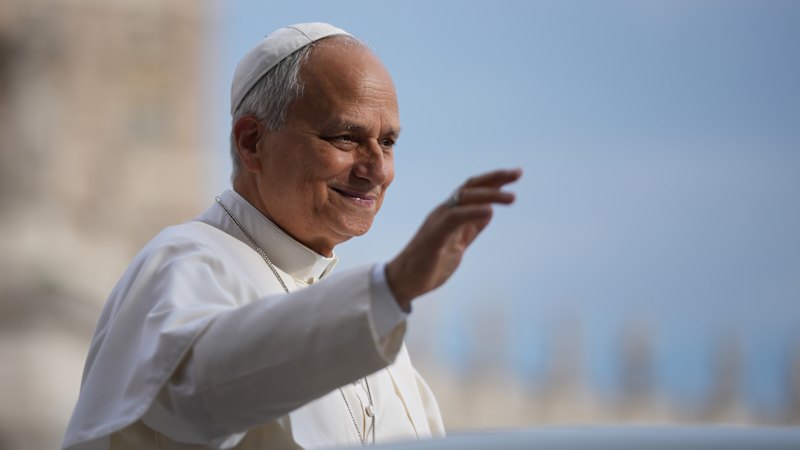
Pope Leo is stepping into the global technology debate with a very specific message. He doesn't want algorithms running unchecked. He wants ethics baked into the code before machines start making decisions that affect human lives. You might also find this related article interesting: Why Trump Honoring Tech Titans With Science Awards Changes Everything.
The Moral Weight of Code
Tech companies usually measure success by speed, scale, and profit margins. The Vatican measures it differently.
When you build systems that can diagnose diseases, approve loans, or target military strikes, you aren't just writing software. You're codifying human bias into permanent infrastructure. That is the core argument coming out of Rome right now. As discussed in latest articles by Ars Technica, the results are significant.
Most engineers think ethics is a footnote you deal with after launch. Pope Leo is arguing the exact opposite. If human dignity isn't the foundation of the architecture, the whole thing collapses under its own weight.
Where Silicon Valley Gets It Wrong
Silicon Valley leaders often assume that open-source models or rapid deployment will naturally fix societal problems. They trust the market.
History shows us that markets don't care about human dignity. They care about market share.
When algorithms decide who gets hired or who gets parole, transparency matters. Right now, most proprietary AI models operate as black boxes. You put data in, you get an answer out, and nobody knows why. Pope Leo is pushing for accountability that forces creators to explain their work.
The Global Pushback
Governments are scrambling to regulate technology, but politicians are mostly playing catch-up. They pass laws that are obsolete before the ink dries.
Religious institutions play a different game. They have staying power. By framing artificial intelligence as a moral test rather than a technical puzzle, the Vatican is changing how people talk about the future.
You can't patch a moral failing with a software update.
What Happens Next
The tech industry can't ignore the ethical conversation anymore. As public skepticism grows, companies that ignore human-centric design will face serious pushback.
Real progress requires more than flashy demos and venture capital funding. It requires asking whether we should build something, not just whether we can.
Build systems that respect human agency. Audit your models for bias before deployment. Keep humans in the loop for every critical decision.