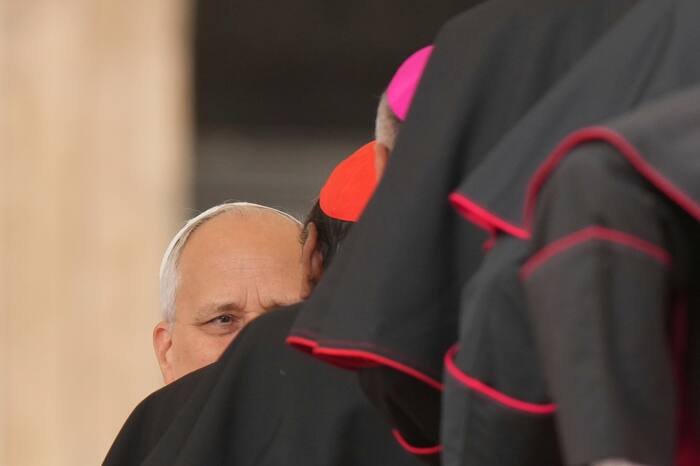
The Vatican has always moved at the speed of centuries, but modern fractures demand faster answers. Pope Leo XIV just stepped into one of the most volatile theological minefields of modern church history by launching a high-stakes, closed-door evaluation of Pope Francis's 2016 apostolic exhortation, Amoris Laetitia (The Joy of Love). If you thought the Catholic Church was going to quietly sweep its internal ideological battles under the rug, think again.
At the heart of this gathering is a decade-old controversy that deeply polarized parishes from Chicago to Rome. Can civilly remarried Catholics receive Holy Communion without a formal church annulment? Francis didn't issue a blanket rule change, but his pastoral shift toward case-by-case discernment triggered outrage, accusations of heresy, and formal challenges from conservative cardinals who felt the indissolubility of marriage was under direct attack. Now, Leo XIV is taking stock of how that policy actually plays out on the ground.
The Reality of Pastoral Fragility
When Pope Leo XIV opened the weeklong Vatican conference convening presidents of 115 national bishops' conferences, he didn't lean into legalistic chest-thumping. Instead, he challenged church leaders to look honestly at how ordinary people experience religious communities during life's worst moments.
Speaking directly to the assembly, Leo posed a sharp question: When life completely falls apart and fails to match up to ideal expectations, what kind of church do people actually encounter? Do communities push the broken away, or do they offer a path of grace?
This framing shifts the entire debate away from rigid legal formulas and back to human reality. Marriage breakdowns happen for complex reasons—abuse, abandonment, unbearable financial stress, or youthful mistakes. For years, obtaining an official church annulment was an expensive, bureaucratic nightmare. While Francis streamlined that process, millions of Catholics remained caught in limbo. Leo’s current status check isn't necessarily about rewriting doctrine; it’s an audit of empathy. Are bishops actually applying pastoral closeness, or are local dioceses still shutting doors based on rigid dogma?
The Conservative Backlash That Refused to Fade Away
To understand why this summit matters, you have to look at the severe institutional friction Francis left behind. Conservative critics argued that opening the door to communion for divorced and civilly remarried Catholics created doctrinal chaos. Four conservative cardinals famously submitted formal questions—known as dubia—demanding a strict yes-or-no clarification on whether these Catholics were living in a state of mortal sin. Francis never answered them.
That silence left a fractured global church. In some dioceses, bishops embraced the pope's call for compassionate discernment and allowed communion after a journey of pastoral counseling. In other dioceses, bishops drew a hard theological line and banned it entirely. This fragmented reality created a patchwork Catholicism where your geographic location dictated your sacramental access.
By inviting key theological heavyweights and close allies of Francis—including American cardinals like Blase Cupich, Robert McElroy, Joseph Tobin, and Bishop Daniel Flores—Leo is signaling that he wants a transparent accounting of this divide. He isn't ducking the controversy; he's mapping it.
The Law of Gradualness in a Changing World
During the conference, Vatican officials and experts emphasized the concept of the "law of gradualness." This theological principle recognizes that human spiritual growth takes time and that God's grace works within people even when their lives fall short of absolute perfection.
In a rapidly changing social landscape where family structures look vastly different than they did fifty years ago, rigid black-and-white rules often break down in pastoral counseling. Expecting every person in a complex family crisis to immediately align with ideal canonical standards ignores the messy reality of human suffering.
The bishops gathered in Rome aren't expected to churn out a radical new document by next week. Instead, a summary text will outline how the church has managed the past ten years of implementation and where pastoral care needs reinforcement.
The takeaway is clear. The Vatican is confronting the friction between absolute doctrine and human fragility head-on. How Leo XIV navigates this tension will define the spiritual trajectory of the global church for years to come.