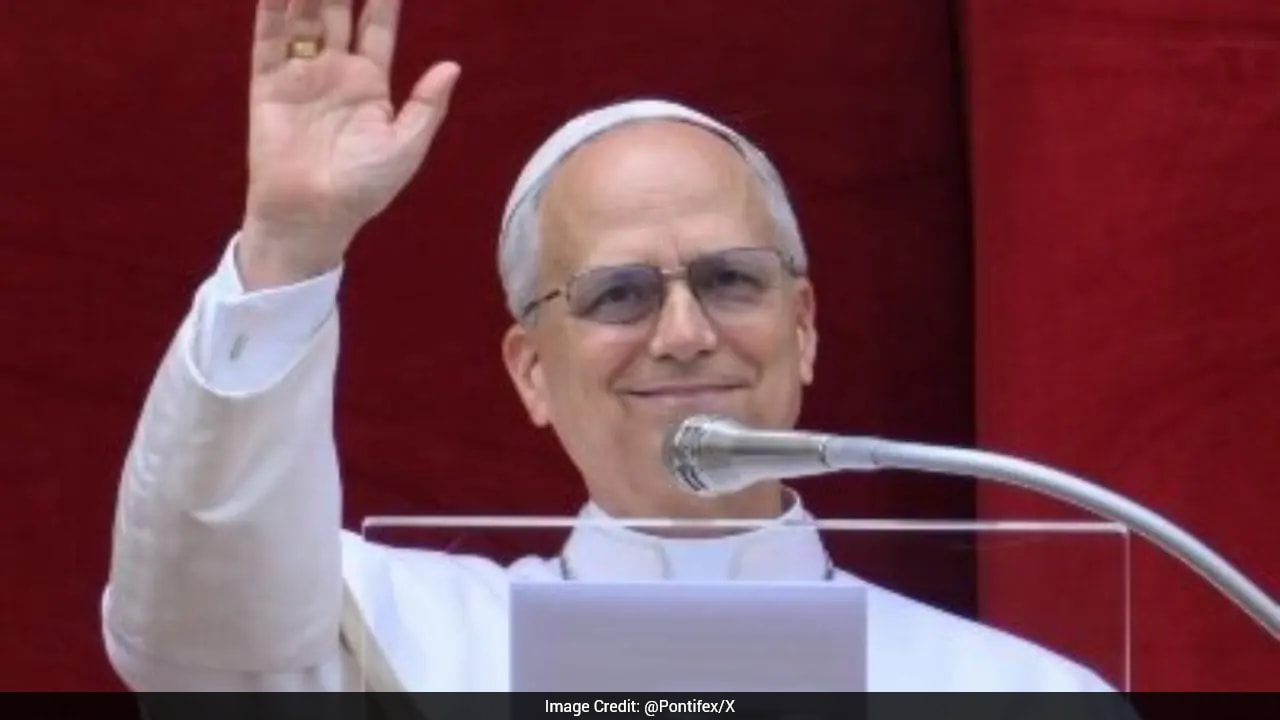
You can hand a lot of heavy lifting to algorithms these days, but Pope Leo XIV draws a hard line at letting software play God.
Recent statements from the Vatican put forward a blunt reminder that artificial intelligence belongs in the category of a hammer or a printing press rather than an independent moral agent. When machines start making choices about life, freedom, and the use of force, accountability evaporates into thin air. That's a dangerous path for any society walking blindly into automated governance.
The Trap of Machine Personhood
Proposals to grant artificial intelligence systems legal personhood or special rights miss the entire point of accountability. If a piece of code makes a catastrophic error, you can't put a server rack in prison.
Pope Leo XIV explicitly rejected these legal gimmicks, arguing that treating software like a person only serves to mask human negligence.
- The accountability gap: When corporations hide behind opaque neural networks, victims are left fighting a faceless entity.
- The moral illusion: Computers don't possess intentions, remorse, or ethics. They calculate patterns based on dirty historical data.
- The ownership reality: Infrastructure and computing power sit squarely in the hands of major tech conglomerates, not neutral public entities.
Granting rights to algorithms protects corporate balance sheets while stripping recourse away from real people.
Refusing to Delegate Life and Death
The stakes skyrocket past software bugs when algorithms get integrated into military defense and security frameworks. Autonomous weapons systems represent the ultimate failure of human responsibility.
Pope Leo XIV repeated his urgent call for bans on lethal autonomous hardware, insisting that decisions involving human survival must stay anchored to real human judgment.
"Those affecting human life, freedom and the use of force must always remain subject to effective, informed and responsible human oversight," Leo noted during recent addresses.
When you outsource lethal force to silicon chips, you invite tragedies that nobody owns. War requires moral friction. Software removes that friction entirely.
Restoring Critical Thinking in Education
The push for human supervision doesn't stop at battlefields or boardrooms. It starts in classrooms where younger generations risk losing the basic muscle of deep inquiry.
Fast algorithmic summaries and instant AI answers make it tempting to skip the messy work of thinking. Schools face a heavy burden here. Educators must teach students when to reject automation entirely.
- Stop relying on automated shortcuts for every single writing or coding assignment.
- Build habits of questioning the underlying assumptions of digital tools.
- Establish boundaries for where technology shouldn't go.
If you don't practice independent reasoning, you eventually lose the capacity to spot bad logic when an algorithm feeds it to you.
Building Real Safeguards
Global leaders love talking about ethics alignment while funding the very systems they claim need guardrails. Ethics guidelines drafted by tech monopolies rarely bite the hand that feeds them.
Real oversight requires independent institutions capable of enforcing cross-border standards. It means setting up clear avenues to challenge automated verdicts, audit training datasets, and secure financial remedies when systems fail.
Keep your hands on the steering wheel. Treat every piece of software as a sophisticated instrument that demands constant, skeptical human direction.