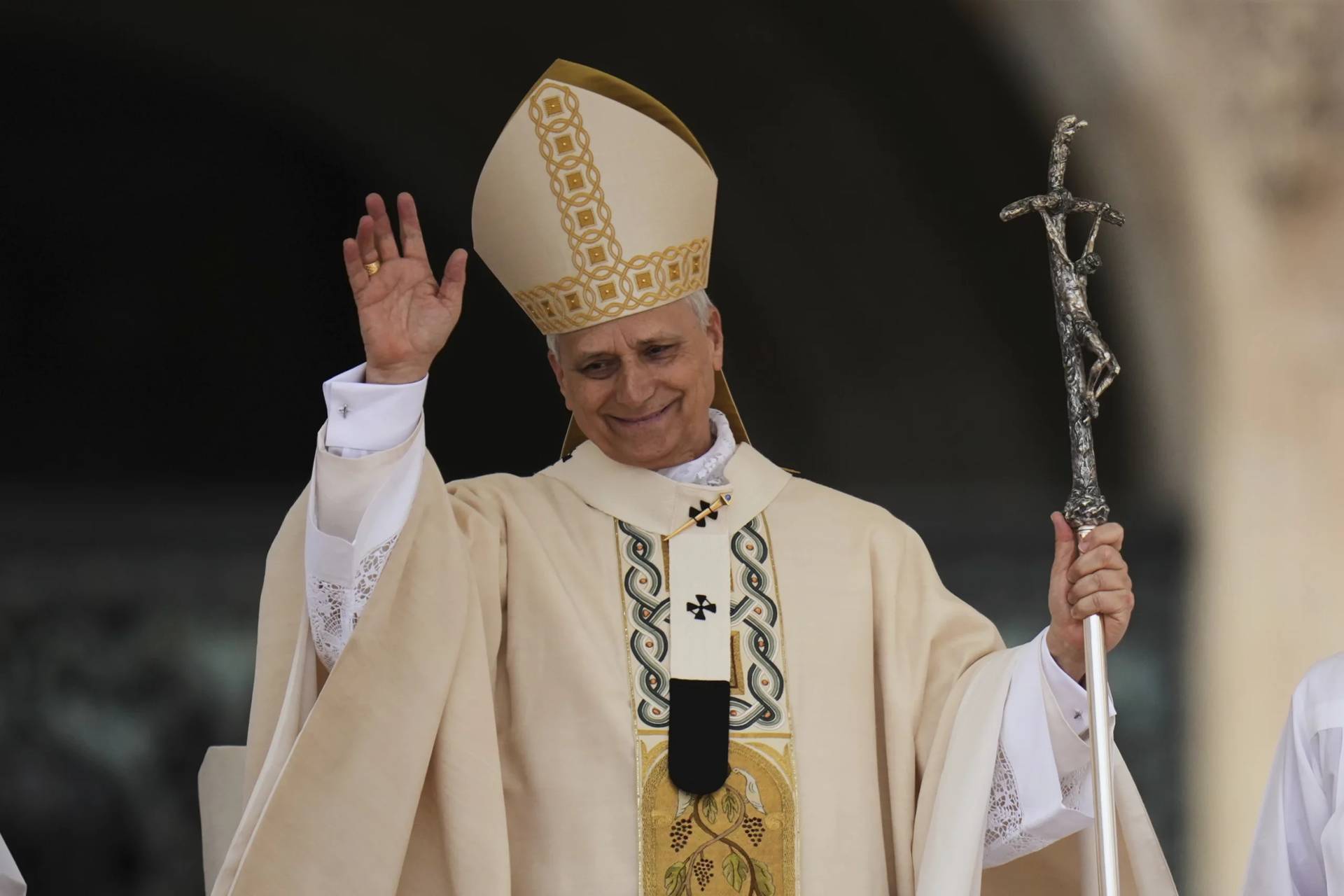
History happened quietly inside a Vatican office room when Pope Leo XIV filled out a mail-in ballot for the United States midterm elections. Let that sink in. The head of the global Catholic Church, a sovereign leader residing behind ancient walls in Rome, took time to vote in Illinois races. This marks an unprecedented first for the papacy. No sitting pontiff has ever cast a ballot in a modern political election.
Most people assume popes completely shed their national identities the moment they step onto the balcony in St. Peter's Square. They do not. Pope Leo XIV remains a proud U.S. citizen, born and raised in Chicago, and he refuses to let his spiritual office strip away his civic responsibilities. The Vatican officially confirmed that the pontiff requested his mail-in ballot from Cook County and sent it back across the Atlantic.
Breaking Decades of Papal Tradition
For centuries, popes maintained a strict aura of political neutrality, keeping physical and symbolic distance from national ballot boxes. Previous American-born or foreign cardinals who ascended to the papacy typically let their citizenships fade into the background. Pope Leo XIV is rewriting that playbook entirely. By participating in the midterms, he is sending a loud message about civic duty. You can lead the universal church and still care deeply about local infrastructure, congressional balances, and domestic policy back home.
The move also highlights a fascinating legal and logistical reality. Vatican City is an independent city-state, but it does not strip individuals of their native passports unless foreign laws demand it. Leo holds dual citizenship with the U.S. and Peru. When election season rolls around, his absentee ballot arrives just like it would for any expatriate working abroad.
A Complex and Split Voting History
If you dig into his past voter file data from Illinois, you won't find a rigid party dogmatist. Leo's voting history spans multiple counties and party lines. Back when he lived in Cook County, a deeply Democratic stronghold, he requested Democratic primary ballots. Later, after moving to suburban Will County, records show he opted for Republican primary ballots across three consecutive election cycles.
That bipartisan track record drives political pundits crazy. Analysts love trying to slap a neat ideological label on religious leaders, but Leo's history resists simple categorization. Primary ballot choices don't reveal individual candidate selections or general election secrets, but they do show a pragmatic voter willing to engage across the aisle depending on where he lived and what issues mattered at the moment.
Why This Matters Right Now
The timing of this ballot drop carries immense weight. Relations between the Vatican and Washington have seen public friction over global conflicts, immigration policy, and economic disparity. Having a sitting pope who actively votes in American elections creates an entirely new dynamic in international diplomacy. He isn't just an external moral critic lecturing from afar; he is literally a registered participant in the American electorate.
Critics might argue that a religious monarch shouldn't dabble in secular democratic rituals. Supporters counter that civic engagement sets a powerful moral example for billions of Catholics worldwide. If the bishop of Rome can take time to study his ballot and vote, everyday citizens have zero excuses for staying home on election day.
Check your registration status early, study your local ballot initiatives, and mail your vote before the deadline.