Commercial shipping in the Gulf just got a lot more dangerous. When a cargo vessel takes a mysterious projectile hit right off the coast of the United Arab Emirates, ignoring it isn't an option.
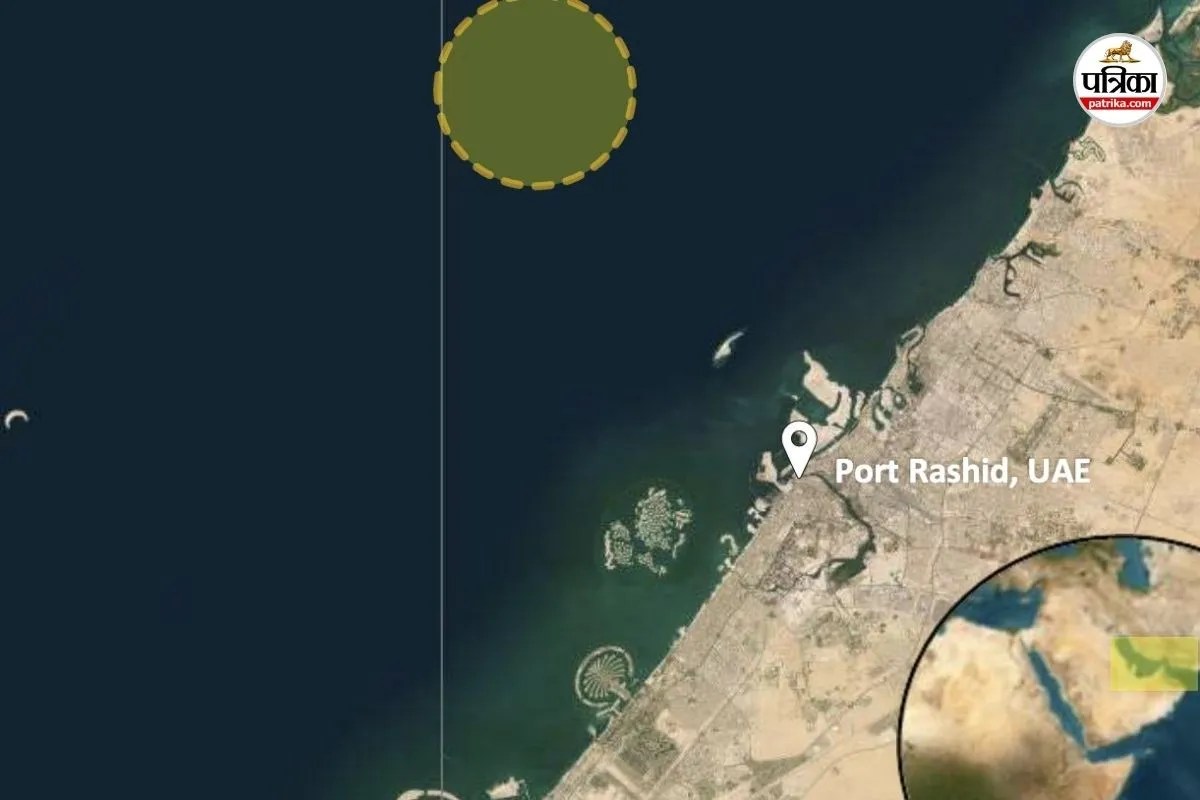
The United Kingdom Maritime Trade Operations (UKMTO) raised major red flags after a ship anchored roughly 24 nautical miles northwest of Port Rashid started listing dangerously. Water was rushing into the hull. The exact nature of the projectile remains unconfirmed, but the message to international trade is loud and clear. The safety margin in Middle Eastern waters is shrinking fast. Meanwhile, you can explore related events here: Why Gulf Shipping Disruptions Hit Your Wallet Harder Than You Think.
What Actually Happened Near Port Rashid
The incident unfolded when the master of a passing tanker spotted another vessel sitting awkwardly at anchor. The ship was visibly listing to one side, a telltale sign that water ingress was threatening its stability.
Third-party reports flooded the UKMTO desk, prompting immediate warnings across maritime channels. To understand the bigger picture, check out the detailed analysis by Associated Press.
- Location: 24 nautical miles northwest of Port Rashid, UAE.
- Condition: Vessel at anchor, listing heavily.
- Cause: Suspected projectile strike causing water damage.
When a ship lists like that, it means structural integrity has been compromised. Seawater is pouring into compartments where it shouldn't be, creating a race against time for damage control crews. Authorities have launched full investigations, but commercial operators are already feeling the heat.
The Real Risk to Regional Shipping Lanes
People often assume that strategic choke points like the Strait of Hormuz are the only danger zones. They are wrong. Attacks and suspicious incidents closer to major UAE commercial hubs show that the threat perimeter has widened.
If vessels can't safely anchor or transit near Port Rashid without facing unknown projectiles, insurance premiums will skyrocket. Crew safety protocols will tighten, and supply chains will face sudden delays. Ship captains are now forced to weigh the economic cost of rerouting against the terrifying risk of becoming the next target.
How Maritime Authorities Are Responding
The UKMTO didn't just issue a casual advisory; they demanded heightened vigilance. Ships operating in the region are told to report any unusual activity instantly. Navigational warnings are being updated in real-time.
Local security forces are trying to lock down the area, but the anonymity of projectile attacks makes defense exceptionally difficult. You can't easily intercept a threat when you don't know where it originated or what form it took.
Check your current route plans. Ensure your security teams are running 24/7 watch shifts. Treat every unverified radar contact as a potential hazard.


