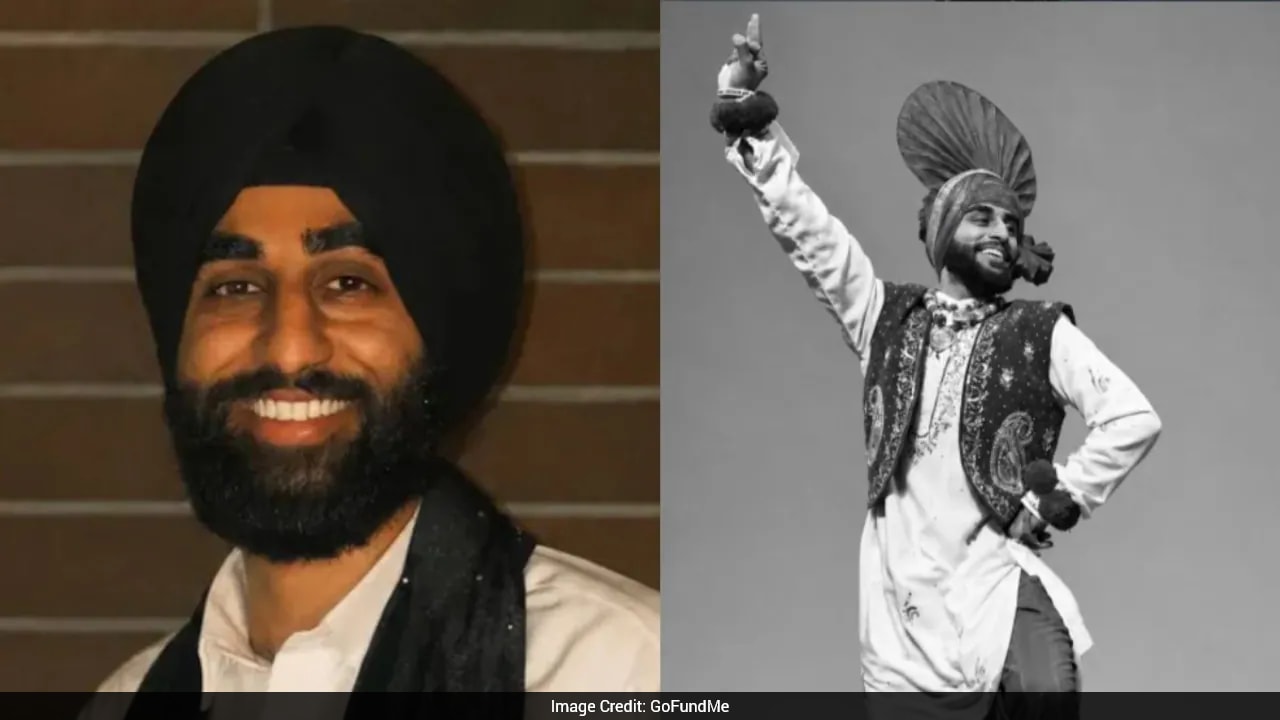
When people talk about combat sports, they usually focus on highlight reels, weight cuts, and win-loss columns. That narrow lens misses what actually makes an athlete matter to a neighborhood. Prabhjot Singh Mann wasn't just a fighter out of Fresno, California with a 6-1 amateur record. He was a Bhangra teacher, a youth mentor, a community organizer, and someone who showed up when young people in the Central Valley needed a steady hand.
On November 7, 2026, Mann suffered a severe head injury while competing in a Muay Thai tournament in Madrid, Spain. He was airlifted to a local university hospital and spent time in the intensive care unit before passing away on November 21, with news of his death circulating widely on November 24. His brother, Sukhjot Mann, had launched a GoFundMe appeal to help cover medical care in Spain and potential medical air transport back home, drawing roughly 4,200 donations and more than $440,000 before the campaign was paused. Final rites were scheduled for Monday, November 30, at Shant Bhavan Funeral Home in Fowler, California.
Looking at the quick summaries online, you might only see a headline about a tragic tournament injury abroad. Honestly, reducing his life to a single bout in Madrid flattens a story that has real roots in Fresno's Sikh and Punjabi communities, amateur Muay Thai training, and the messy, expensive realities of international combat sports.
Who Was Prabhjot Singh Mann Inside and Outside the Gym
Train at a real Muay Thai gym for even six months and you'll learn fast that the sport asks for a weird kind of honesty. Often called the "art of eight limbs" because fighters use punches, kicks, elbows, and knees, Muay Thai strips away shortcuts. Conditioning has to be real, timing has to hold up when you're tired, and you can't bluff your way through a hard clinch.
Mann trained at Three Kings Muay Thai in Fresno and put together a 6-1 amateur record. Going 6-1 as an amateur isn't a flashy pro hype job; it's the grind of local brackets, travel, weigh-ins, and learning how to stay composed under pressure. People who knew him talked about his persistence and discipline inside the ring, yet the tributes that hit hardest came from what he did when his gloves were off.
He taught traditional Bhangra dance, worked as a community organizer with the Jakara Movement—a nonprofit focused on empowering Punjabi and Sikh communities—and volunteered with youth programs across California's Central Valley. His family roots traced back to Pind Bugra, a small village in the Hoshiarpur district of Punjab, while his day-to-day impact was felt right in Fresno and nearby towns.
District 1 Fresno City Council member-elect Naindeep Singh shared a personal memory that captures why local youth looked up to him. Singh recalled meeting Prabhjot when he was 10 years old, noting how a young boy grew into a leader others followed, and that Mann even pitched in on campaign logistics like putting up signs and setting up sound equipment. In real community life, mentorship rarely looks like a TED Talk. Usually it looks like showing up early, moving gear, and being reliable week after week.
Why His Passing Stirs Bigger Questions in Amateur Combat Sports
Whenever a fighter dies after a bout, the internet splits into two predictable camps. One side calls for sweeping bans; the other shrugs and says fighters know the risks. Neither response helps much.
In amateur combat sports, head trauma is the hardest risk to engineer away completely, even with protective gear, medical checks, and referee stoppages. Sports medicine organizations—including the American Academy of Neurology—have spent years documenting how repetitive impacts and acute blows affect the brain, even when athletes wear headgear or compete at non-pro levels. Protective gear in amateur striking sports can reduce cuts or certain superficial impacts, though experts have long debated its limits against rotational forces and brain acceleration.
What makes international tournaments even trickier is logistics and oversight. When an athlete travels from California to Spain for a competition, rulesets, sanctioning bodies, medical staffing, and insurance coverage can vary dramatically from what fighters and families expect back home. Even when emergency care is available on site, a severe head injury can quickly turn into a multi-front crisis involving ICU care abroad, language and legal coordination, and six-figure medical transport costs.
That's why the GoFundMe response—over $440,000 raised before it was paused—says so much. Families shouldn't have to crowdsource half a million dollars just to navigate a medical nightmare after an athletic event, yet right now, many amateur fighters step onto planes with sketchy travel medical coverage or assumptions that standard event waivers cover more than they actually do. Let's be real: a lot of enthusiastic young fighters focus on sparring, conditioning, and making weight while treating insurance fine print as an afterthought.
Common Misconceptions About Amateur Muay Thai and Tournament Risk
A few assumptions tend to pop up right after a tragedy like this, and most of them miss the mark:
- Amateur status means low risk: Amateur bouts are shorter and sometimes use different gear than pro fights, depending on the ruleset, but hard strikes to the head still happen. Head trauma doesn't check whether a fighter is getting paid.
- A strong amateur record makes someone invincible: A 6-1 record shows skill, grit, and experience, not immunity from a bad angle, a late-recognized concussion, or a sudden neurological emergency.
- Crowdfunding replaces real protection: Raising $440,000+ shows extraordinary community love and generosity, especially in a tight-knit place like Fresno. Still, relying on public donations after the fact isn't a substitute for clear medical evacuation coverage and transparent event safety standards.
Also, let's be transparent about what hasn't been publicly confirmed. While family statements and news reports note that Mann suffered a severe head injury during the November 7 tournament in Madrid and died on November 21 after ICU care, the exact sequence of events in the ring and the formal medical cause of death have not been publicly detailed. Speculating beyond confirmed facts doesn't honor him or help anyone understand what happened.
How Fighters, Coaches, and Families Can Prepare Better
If you fight, coach, or support someone competing in Muay Thai or another striking sport—especially outside your home country—there are practical steps worth taking before booking a single flight. Don't wait until a tournament week to figure out the safety net.
- Verify sanctioning and medical protocols in writing: Ask the gym or promoter which sanctioning body runs the event, whether licensed ringside physicians and ambulances are required on site, and what concussion or head-injury protocols apply. Walk away from disorganized events that treat medical planning as vague or optional.
- Buy dedicated international combat-sport or medical evacuation coverage: Standard travel insurance policies frequently exclude injuries sustained during martial arts or combat sports competitions. Check policy exclusions carefully and look into specialized sports or medical repatriation coverage before traveling abroad.
- Keep an emergency packet ready: Make sure a fighter's family or corner has copies of passports, insurance policies, emergency contacts, medical history, and clear instructions on who can make medical decisions if an athlete is incapacitated.
- Stay connected to the community work that lasts: If you're in Fresno or anywhere else touched by Mann's life, remember that real legacy lives in everyday action—supporting local youth programs, showing up for cultural spaces like Bhangra and Sikh community initiatives, and looking out for the next generation coming up behind you.