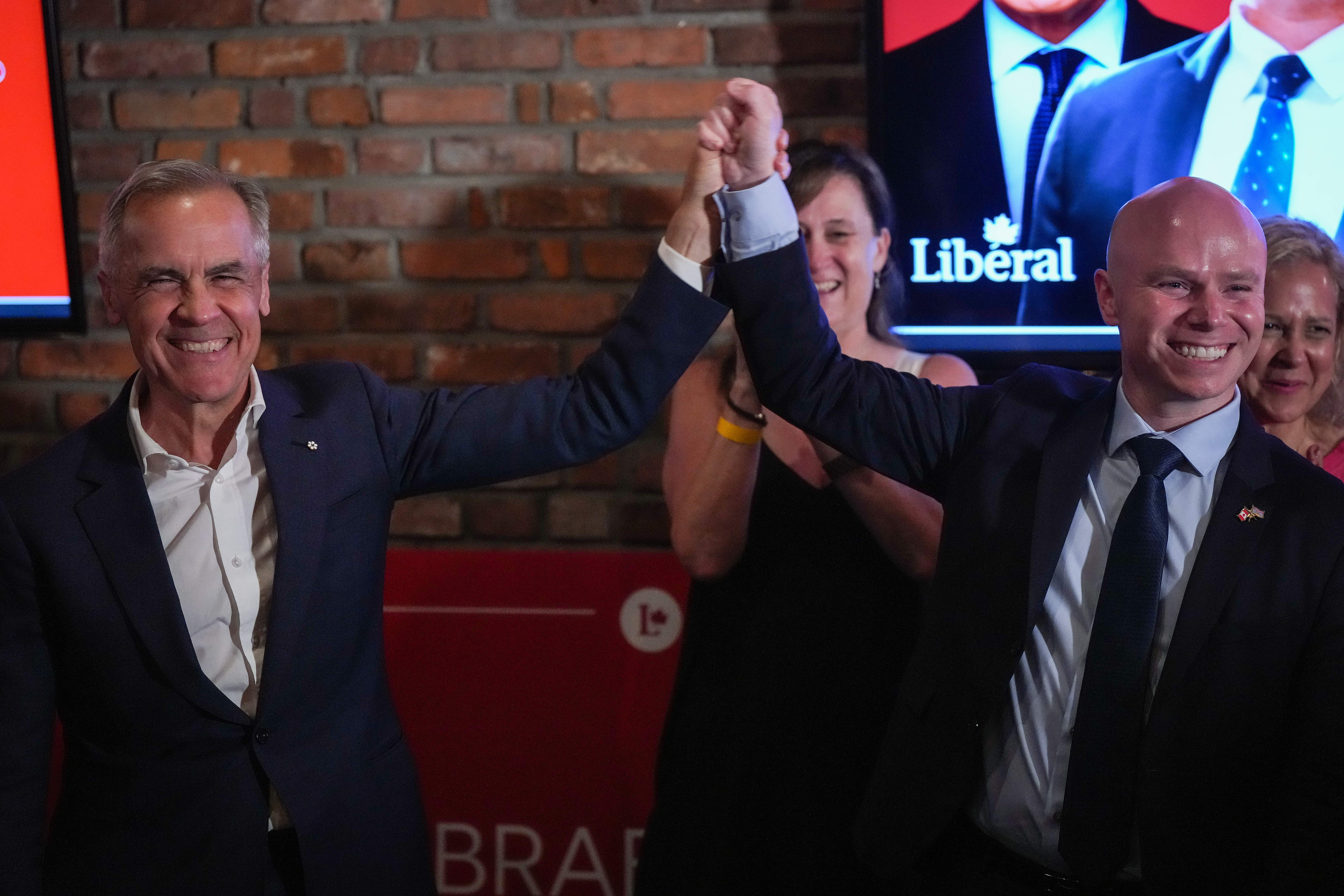
Prime Minister Mark Carney shocked few political insiders when he dropped the writ for three summer byelections, but he left one crucial seat sitting empty.
Four ridings were vacant, yet only three contests were scheduled for August 31. If you think that fourth omission was an accident, you haven't been paying attention to modern electoral strategy. Prime ministers don't pull dates out of a hat. Every calendar choice comes down to math, money, and tactical pressure.
Let's look at what actually happened. The three summer races are locked in for North Vancouver-Capilano in British Columbia, Beaches-East York in Ontario, and Chicoutimi-Le Fjord in Quebec. The glaring absentee from this trio's company is the Quebec riding of Saint-Hyacinthe-Bagot-Acton.
The Financial Trap Behind the Missing Writ
Why hold off on Saint-Hyacinthe-Bagot-Acton? The answer is brutally pragmatic: campaign finance laws.
Under the rules enforced by Elections Canada, holding multiple byelections simultaneously lets rival parties play chess with expense limits. The Bloc Québecois holds strong influence in Saint-Hyacinthe-Bagot-Acton. If Carney had triggered that vote alongside the other three, the Bloc could have legally shifted spending caps and financial resources directly into the fiercely contested battleground of Chicoutimi-Le Fjord.
By freezing the Saint-Hyacinthe vacancy, Carney effectively locked the Bloc's wallet. He denied them the cash injection they desperately wanted for the multi-party brawl shaping up in Chicoutimi, where the margins from the previous general election were razor-thin. Prime ministers have up to 180 days to call a byelection once a seat officially empties. Waiting until December for Saint-Hyacinthe isn't just procedural breathing room; it's a calculated weapon.
Safe Seats and Real Battles
Not all byelections carry the same weight. Two of the current summer matchups are practically pre-ordained.
In North Vancouver-Capilano, former cabinet minister Jonathan Wilkinson stepped down to become Canada's ambassador to the European Union. That riding and Beaches-East York—formerly held by prominent Liberal Nate Erskine-Smith—are deep red territory where the governing party holds massive historical safety margins. Liberal strategists aren't losing sleep over losing those incumbent strongholds.
Chicoutimi-Le Fjord is entirely different. The seat opened up after Conservative Richard Martel took a Senate appointment. The 2025 general election result there was a chaotic three-way split separating the Conservatives, the Bloc, and the Liberals by less than three percentage points. It's a pure toss-up.
That makes Chicoutimi the ultimate prize of this summer cycle.
What the Spending Limits Really Mean
Let's look at the actual caps imposed on these campaigns. In Chicoutimi-Le Fjord, Elections Canada permits a baseline party and candidate expense limit around $99,000. When you factor in broader national allowances, major national parties can push total permitted expenditures much higher.
For regional parties like the Bloc Québecois, localized cash flow dictates survival. Depriving them of an active campaign in Saint-Hyacinthe stops them from pooling funds across provincial boundaries. It forces regional opponents to fight on turf chosen entirely by the Prime's Office.
Carney's minority-adjacent calculations prove that modern political survival relies as much on what you choose not to do as it does on campaigning. Watch how the cash flows in Quebec over the next few weeks—that will tell you everything you need to know about why that fourth ballot stayed in the drawer.
Mark Carney calls for August byelections in 3 ridings
This video provides an overview of Prime Minister Mark Carney's announcement regarding the three summer byelections and the political landscape surrounding the House of Commons.