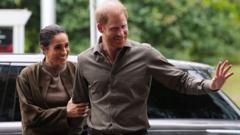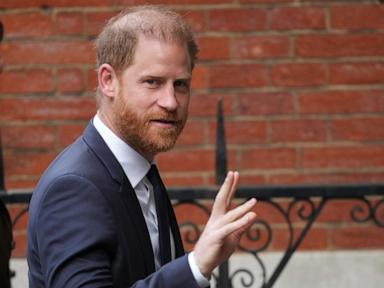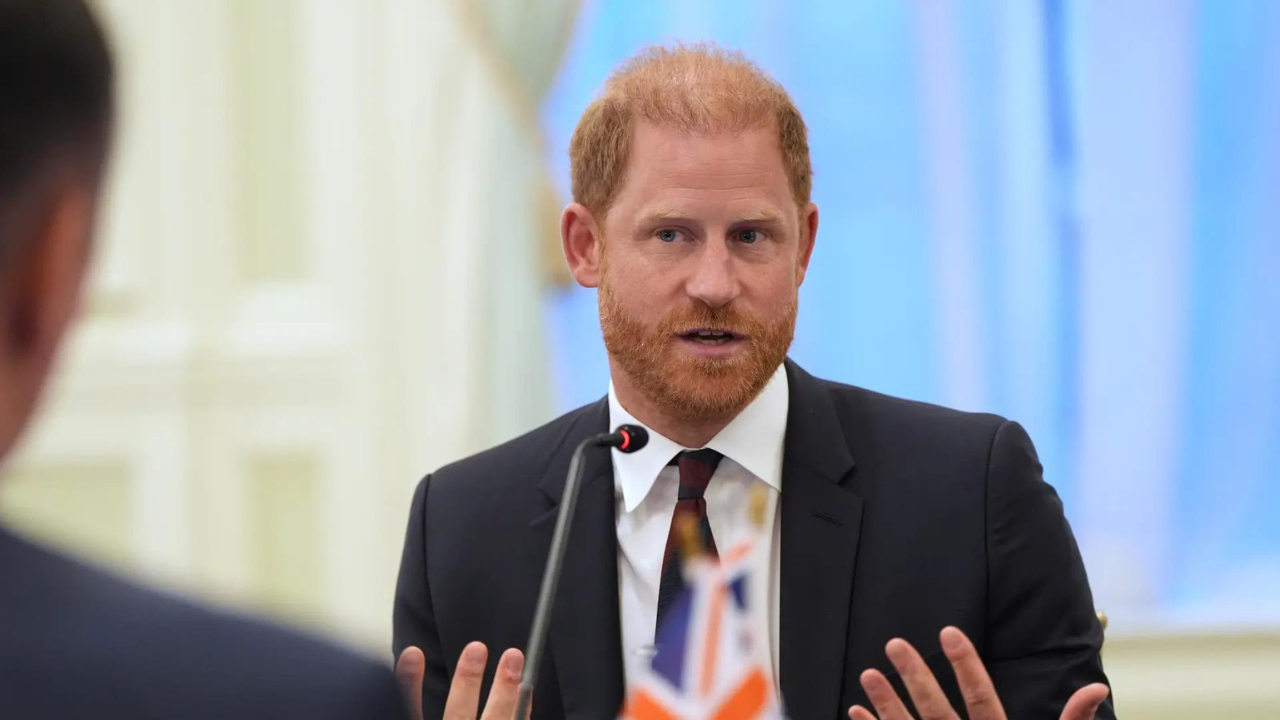
Prince Harry is officially done with the governing board of African Parks. After a decade of high-profile involvement, including a six-year stint as its president and a transition to the board of directors in 2023, the Duke of Sussex has stepped down.
If you look at the official statements, everyone is smiling. The charity calls it a routine governance refresh. Harry’s camp insists he remains deeply committed to continental conservation. But nobody walks away from a ten-year passion project without a massive push. That push was a devastating human rights scandal that exposed severe ranger misconduct on the ground.
The Real Story Behind the Exit
African Parks manages roughly 24 protected areas across 13 countries. It sounds noble on paper. Protecting wildlife, fighting poachers, preserving biodiversity. Yet, heavy-handed conservation has a dark history.
An independent investigation previously confirmed harrowing abuses committed by rangers stationed at the Odzala-Kokoua National Park in the Republic of Congo. Local indigenous people, specifically members of the Baka hunter-gatherer community, reported severe atrocities. We are talking about beatings, torture, and sexual violence carried out by guards who were directly funded, managed, and deployed by the charity.
When those findings came to light, pressure mounted exponentially. Critics questioned what high-ranking figures like Prince Harry knew and when they knew it. While the organization later overhauled its safeguarding procedures, the reputational damage lingered.
PR Spin Versus Hard Reality
Public relations teams love phrases like "mutually agreed". They want you to think this departure is just part of a natural organizational cycle.
Let's be realistic. High-profile royals don't quietly exit major boards right before a massive international relocation unless optics demand distance. Harry and Meghan are preparing to move back toward the UK with their children, facing entirely new scrutiny over security and public roles. Clinging to a conservation charity burdened by violent abuse allegations is a PR nightmare no busy public figure wants to manage.
Harry’s spokesperson was quick to emphasize that he is still a supporter of the mission. He helped move hundreds of elephants in Malawi back in 2016, a project he genuinely loved. That part of his legacy is real. But holding a fiduciary and governance role on a board means taking ultimate responsibility when systems fail. Systems failed spectacularly in Congo.
What This Means for Celebrity Conservation
Celebrity backing brings money and media attention. It fills charity coffers. It gets global leaders to answer phone calls.
At the same time, it creates a dangerous bubble. Famous board members rarely patrol forest boundaries or audit local ranger behavior. They show up for ribbon cuttings, elephant translocations, and elite fundraising galas. When the rangers on the ground commit unspeakable acts against vulnerable indigenous populations, the celebrity gets tainted by association, while the locals bear the permanent scars.
African Parks is trying to turn the page by bringing in new directors like Justice Isaac Lenaola and Alice Ruhweza. They want a fresh start. But the exit of their most famous American-based patron signals that the era of blind royal association with foreign conservation projects is drawing to a close. Accountability now demands more than a famous face on an annual report.
Take a close look at how major international NGOs vet their ground-level security forces. Charity work requires harsh oversight, not just good intentions.