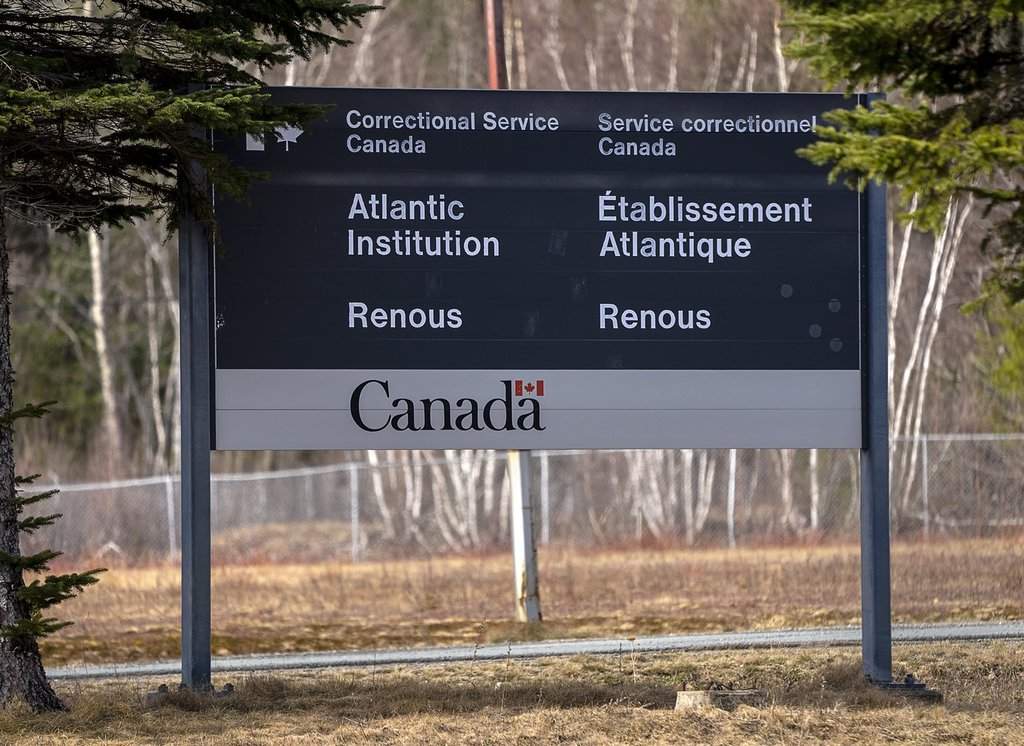
Canada's federal prison system is hitting a massive wall, and it's happening right inside the courtroom. Take a look at the case of Amanda Joy Cooper. She's a 58-year-old transgender woman currently locked up in Millhaven Institution, a notorious maximum-security men's prison in Ontario.
Cooper recently underwent full gender-affirming surgery. She has the anatomy of a woman. Her lawyer, Jessica Rose, spent hours in front of a Federal Court judge arguing a simple point: keeping a post-operative woman in a high-security men's facility is a recipe for physical and emotional disaster. Learn more on a related issue: this related article.
But there's a massive catch. Cooper is also a designated dangerous offender. Her rap sheet includes four counts of sexual assault and three counts of assault. Her victims? Mostly adult women, along with one 14-year-old girl.
This creates a brutal paradox for Correctional Service Canada (CSC). Do you protect a vulnerable transgender inmate from the clear dangers of a male prison population? Or do you protect female inmates from a convicted sex offender who spent decades victimizing women? Further analysis by NPR highlights related views on this issue.
The Policy Clash and the Surgical Loophole
This whole battle stems from a 2017 policy shift where CSC decided to allow federal offenders to request placement based on their gender identity. For a few years, it looked like a straightforward human rights win. Transfer approval rates soared to around 80%.
But the reality on the ground has changed rapidly. Recent investigations show those approvals are plummeting. Why? Because the system is realizing that identity-based housing doesn't exist in a vacuum. It collides head-on with basic safety risks.
Cooper's legal team is playing a very specific card. They argue that under CSC's own internal rules, if the agency denies a transfer based on gender identity due to security concerns, it has to look at physical sex. And because the internal policy defines sex by "current genitalia," Rose argues Cooper legally belongs in a women's facility.
“She doesn't dare risk integrating into the general population at a men's institution because she's a woman with a vagina,” Rose told the court.
It sounds like a airtight bureaucratic argument. But the government's lawyers aren't buying it.
The Reality of Risk Inside Maximum Security
Let's look at what actually happens inside these institutions. Cooper hasn't been hanging out in the general population at Millhaven. She's spent the last two years voluntarily isolating herself inside a Structured Intervention Unit—essentially segregation.
It's a brutal way to live. She has gone on hunger strikes, faced self-harm monitoring, and sometimes gets as little as 20 minutes of time outside her cell each day. She claims male inmates have groped, taunted, and threatened her.
But CSC officials counter that Cooper isn't just a passive victim in the prison ecosystem. Court records reveal she has been involved in 73 institutional incidents since her incarceration, acting as the instigator in 66 of them. Even worse, her file details a history of "obsessive attachments" to female prison staff, including a 2018 incident involving the sexual assault of a corrections worker.
Federal attorney Laura Rhodes laid it out plainly: women's prisons are inherently less restrictive environments. Putting a designated dangerous offender with a specific history of targeting women into a lower-security female facility is an unacceptable risk to the inmates and staff there. Cooper's physical transition simply hasn't erased her past behavioral patterns or minimized her risk score.
Balancing Competing Rights
What we are watching is a massive legal showdown over whose rights matter more when safety is a zero-sum game.
On one hand, advocates rightly point out that trans women face terrifying levels of violence in men's prisons. They are human beings, and the state has a legal obligation to keep them safe while they serve their time. If the system forces them into permanent segregation for their own protection, it destroys their mental health.
On the other hand, female inmates are a highly vulnerable population. A vast majority of women in federal custody have histories of physical or sexual abuse suffered at the hands of men. Introducing an offender with a track record of sexual violence against women into their living spaces can cause severe psychological trauma, regardless of that offender's current anatomy.
Other countries are already backing away from self-identification models in correctional facilities after high-profile failures. Canada's courts are trying to find a middle ground, but the room for compromise is virtually non-existent.
What Happens Next
The Federal Court is currently weighing whether to force an expedited transfer or uphold CSC’s original assessment. While the legal teams bicker over definitions of sex and gender in federal policy, the actual operational reality remains messy and volatile.
If you want to track how this landscape is shifting, keep an eye on these specific developments:
- Watch the Federal Court rulings: Justice Janet Fuhrer’s upcoming decision on Cooper's judicial review will set a major precedent for post-operative trans inmates across Canada.
- Monitor CSC policy updates: Look for potential rewrites to the 2017 directives as the corrections agency tries to clarify the definition of physical sex versus security risk.
- Track international precedents: Keep tabs on how jurisdictions in the UK and Europe are altering their prison housing laws, as Canadian courts often look to these frameworks during constitutional challenges.