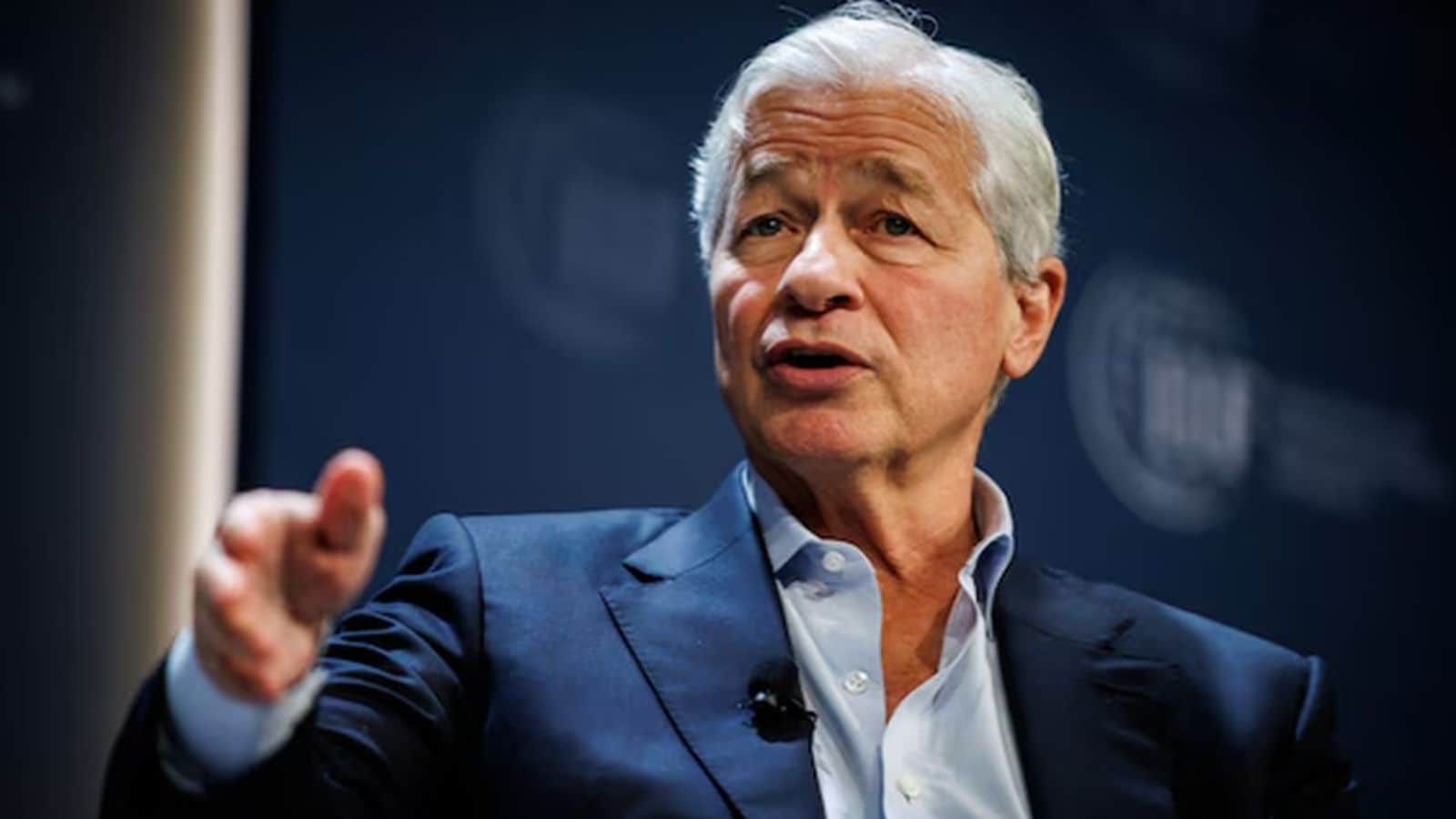
Geopolitical chess moves rarely land where policymakers expect them to. When Washington starts throwing around heavy tariffs and secondary sanctions to curb Russian energy flows, the fallout rarely hits just Moscow. Lately, Wall Street heavyweights are pointing out the obvious blind spot. Jamie Dimon, CEO of JPMorgan Chase, has publicly warned that hammering nations like India over their energy trade with Russia is a bad move.
You cannot isolate a major global player without breaking the delicate plumbing of international supply chains. India relies heavily on crude imports to power an expanding domestic economy. Forcing a sovereign nation to cut ties overnight ignores basic market reality. Refineries adapt, logistics pivot, and trade routes shift. If the US pushes too hard with punitive trade measures, it risks alienating a vital economic ally instead of changing foreign policy outcomes.
The Economic Trap of Secondary Tariffs
Let's look at the numbers. India didn't start buying discounted Russian crude out of malice. It did so because energy security dictates national survival. When global markets face volatility, a rapidly growing economy has to secure affordable inputs to keep inflation in check.
Washington often treats global trade as a binary choice. You are either fully aligned or facing penalties. But India operates with strategic autonomy. Trying to force non-aligned nations into a rigid economic corner triggers immediate pushback.
- Input costs rise for emerging markets.
- Global trade channels fracture further.
- Long-term diplomatic trust takes a permanent hit.
When tariffs hit imported goods and energy products, the price pressure bounces back. It doesn't just punish New Delhi. It feeds right into higher global commodity prices and sluggish growth across Western markets too.
Why India Matters More Than Washington Thinks
If you want to understand why Washington's strategy frustrates top financiers, look at the broader alliance map. Deepening high-standard trade with key partners is good economics and great geopolitics. You don't need to bully nations into compliance. You win them over by offering better economic integration and robust investment opportunities.
India represents one of the fastest-growing major economies on the planet. Domestic consumer demand and infrastructure expansion require massive energy inputs. Penalizing those imports creates an artificial bottleneck.
Instead of treating India as a compliance problem, Western policymakers need a reality check. Trade policy shouldn't be used as a blunt instrument that weakens friendly economic partnerships.
What Happens Next in Global Energy Markets
The oil trade cannot be micro-managed through executive orders or sudden tariff hikes. When one door closes, alternative settlement mechanisms and shadow tanker fleets open up. Russia finds other buyers, and Indian refiners find ways to manage costs.
The real casualty here isn't Moscow's bottom line. It's the credibility of Western economic diplomacy. Pushing punitive measures too far isolates the United States from the very allies it needs for long-term stability.
Stop pretending that blanket tariffs solve complex structural wars. Real strategy requires pragmatism, not economic punishment.