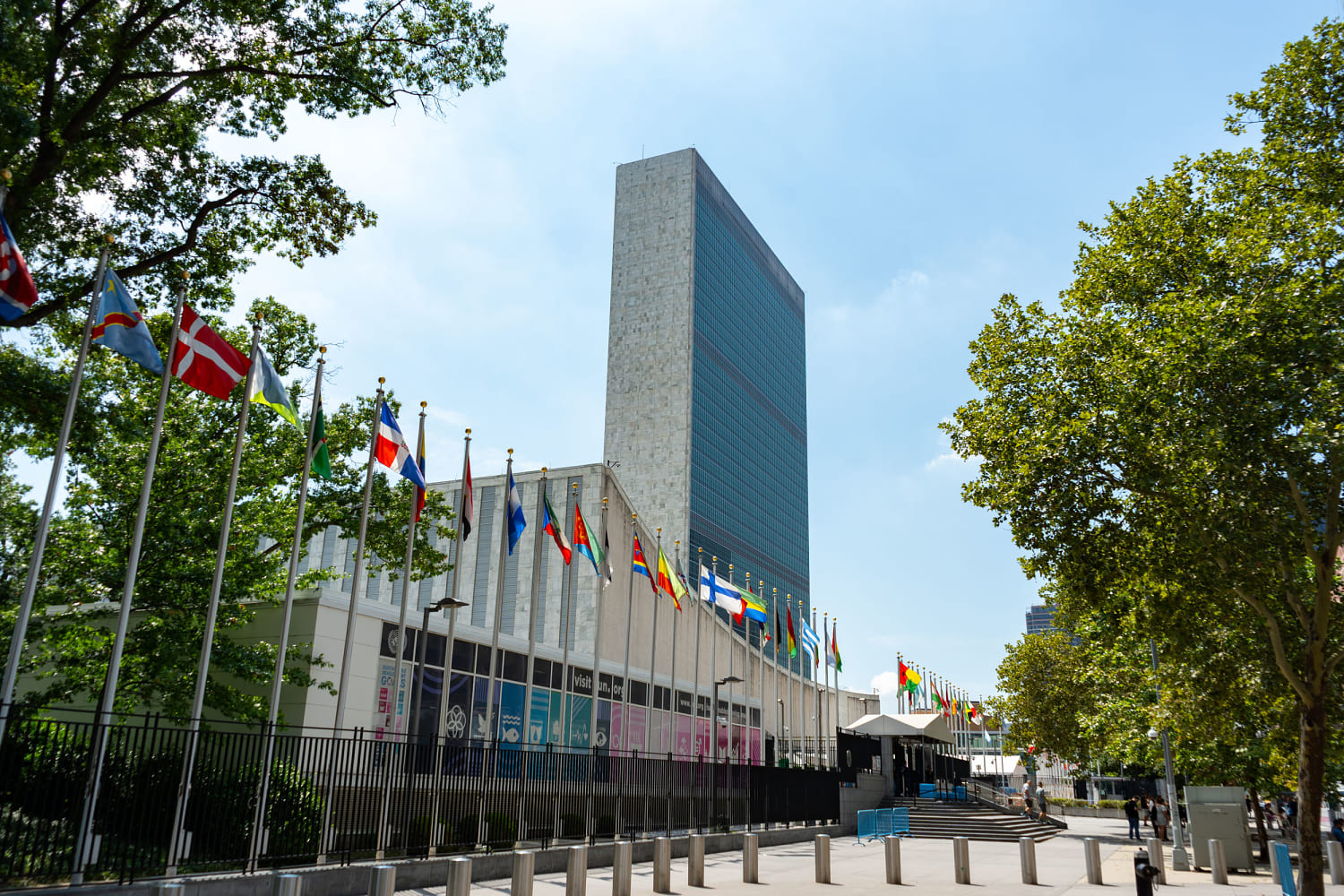
World leaders have gathered in New York for the United Nations General Assembly, and artificial intelligence is dominating the agenda. A group of 20 nations has just released a joint statement demanding pre-deployment safety testing, strict common standards, and a brand-new international institution designed to step in when advanced AI models cross critical capability thresholds.
If you think a scattered patchwork of local tech regulations will stop runaway models, you're missing the bigger picture. Governments are realizing that borders mean nothing to software, but getting major superpowers to agree on international guardrails is turning into a diplomatic slugfest. Meanwhile, you can find related events here: Why Tech Execs Want An Ai Slowdown And Politicians Think They Are Bluffing.
What the New Global AI Declaration Actually Demands
The fresh initiative pushes for concrete mechanisms that go far beyond corporate self-regulation. Instead of letting tech companies grade their own homework, the participating countries want mandatory independent testing before any high-end system hits the market.
The proposal centers on three core pillars: To explore the full picture, we recommend the recent article by ZDNet.
- Strict pre-deployment safety evaluations for frontier models.
- Shared international security standards.
- A centralized global body or institutional framework that triggers interventions when systems reach dangerous autonomy levels.
Finnish President Alexander Stubb has been vocal about trying to secure buy-in from major players like the United States and China. Yet, consensus is far from guaranteed.
Why the U.S. and Other Powers are Pushing Back
Not everyone is applauding the new international proposal. The U.S. administration under Donald Trump has consistently pushed back against international regulatory bodies, with representatives dismissing certain global panels as overreaches of authority that could cede technological sovereignty or get bogged down by geopolitical rivals.
Washington's stance is blunt: local innovation must not be stifled by overseas bureaucracy, especially with fierce technological competition against China heating up. Meanwhile, nations like Ukraine have expressed specific concerns regarding how representatives from adversarial states might influence scientific panels and regulatory boards.
This friction highlights a brutal reality. While scientists and smaller nations warn that unchecked capability scaling could lead to uncontrollable risks, economic superpowers are terrified of blinking first in a high-stakes race for technological dominance.
What Happens Next for International Tech Governance
We are sitting at a dangerous crossroads. On one side, lab safety reports from firms like Anthropic show that malicious actors are already leveraging automated tools for faster cyberattacks and sophisticated influence campaigns. On the other side, geopolitical distrust is fracturing any unified response.
If you are tracking how technology policy affects business or security, expect intense friction over the coming months. Nations that favor strict oversight will try to build coalitions outside traditional deadlocked bodies, while tech giants will lobby hard against mandatory federal pauses or external audits.
Don't expect a neat, universal treaty anytime soon. The battle lines are drawn, and the race to set the rules of modern computing is just heating up.