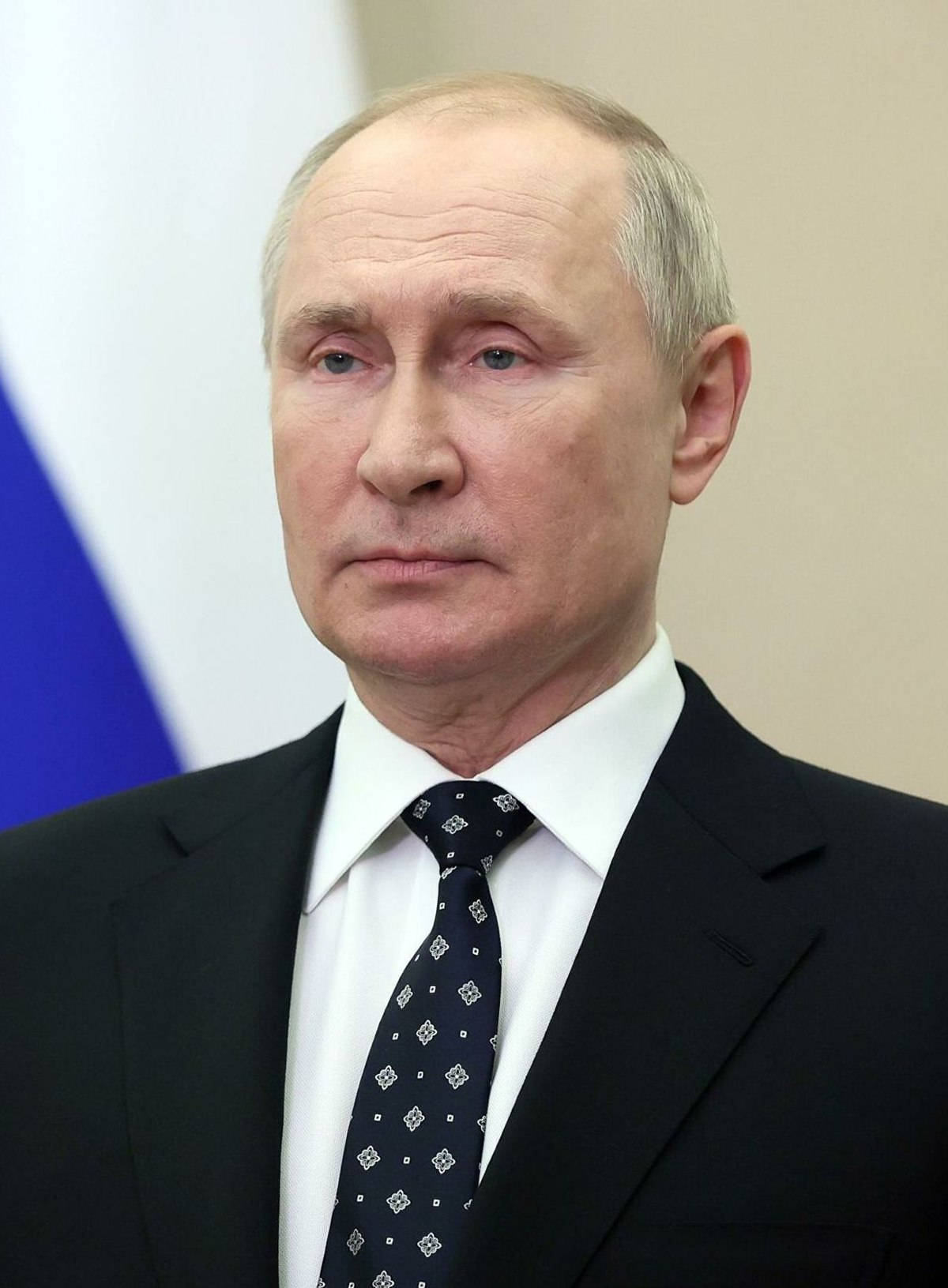
Vladimir Putin wants you to believe that a new class of leaders is taking over Russia. Following the tightly controlled 2026 parliamentary elections, the ruling United Russia party secured a massive supermajority in the State Duma. Among the newly seated politicians are dozens of veterans who fought directly in the military campaign against Ukraine. The Kremlin brands these fighters as the country's "true elite."
If you look past the official state propaganda, the reality on the ground tells a much different story. Let's break down why these veterans are entering civilian politics, what power they actually hold, and how the Kremlin uses them to sustain its wartime narrative.
The Strategy Behind the Uniforms
For months leading up to the election, Russian state media heavily featured soldiers, commanders, and military correspondents on campaign trails and televised debates. Election officials reported that nearly 200 candidates with direct combat experience registered to run. High-profile figures like Vladislav Golovin—a decorated veteran who lost part of his leg in Mariupol—became poster boys for the regime's recruitment efforts.
The messaging is brutally simple. By pushing combat veterans into the legislature, the Kremlin wants potential military recruits to believe that fighting brings long-term prestige, career advancement, and high social standing. It is an intentional effort to rebrand military service not just as a patriotic duty, but as an express elevator to the upper echelons of Russian society.
Political analysts point out that this is basically a recruitment gimmick. Independent experts note that while the state showers returning fighters with flattering rhetoric and high-profile titles, it rarely hands them genuine administrative or political influence.
Do These Veterans Actually Hold Power?
Out of nearly 200 veteran candidates who ran, official tallies show that dozens successfully secured seats in the Russian State Duma. Figures like The Moscow Times and the Associated Press report that roughly 49 to 86 veterans gained entry into the newly constituted parliament, largely via the dominant United Russia ticket.
Yet, veteran status does not equal independent political clout.
Most of these new lawmakers are expected to act as loyal rubber stamps for executive policies rather than independent policymakers. Political researchers familiar with the Russian political machine emphasize that the regime prefers seasoned bureaucrats to actually run the machinery of government. The veterans serve a symbolic function: optical validation. They provide a veneer of grassroots legitimacy to an election that Western governments and international monitors have roundly condemned as a tightly managed sham.
Furthermore, independent Russian media frequently highlight the darker side of veteran reintegration. Stories of returning fighters struggling with severe post-conflict trauma, involvement in domestic assaults, and high-profile crimes committed by former convicts recruited from prisons starkly contrast with the sanitized image projected on state television.
The Broader Political Landscape
The 2026 elections occurred in an environment where genuine opposition was entirely snuffed out. The country's supreme court barred anti-war political alternatives like the Yabloko party from participating on party lists, leaving critical voters with zero viable ballot choices. Meanwhile, traditional opposition forces inside the Duma—such as the Communist Party and the nationalist Liberal Democratic Party—remained fully aligned with the core objectives of the ongoing military operation.
Chechen leader Ramzan Kadyrov sailed to another term with an implausible reported vote share near 100 percent, highlighting the complete absence of competitive political rivalry across Russian administrative regions.
Putin's promotion of military veterans into civilian roles reflects an urgent domestic necessity. The state needs a continuous flow of volunteers to sustain its grinding campaign in Ukraine. Flattering slogans, cash bonuses, and the illusion of a political career are the carrots being offered to prospective fighters.
Whether these newly minted lawmakers realize it or not, their primary utility to the Kremlin is finished the moment they occupy their seats in parliament. They serve as living billboards for an ongoing conflict, designed to convince the next wave of recruits that sacrifice brings a golden ticket.
Check official reports from Courthouse News Service to track how these wartime dynamics continue to shift inside Russian domestic politics.
Putin's 'new elite'! Russia pushes Ukraine war veterans into parliament
This video provides additional context regarding how Russian state media promotes frontline fighters as the country's emerging political class during the parliamentary elections.


