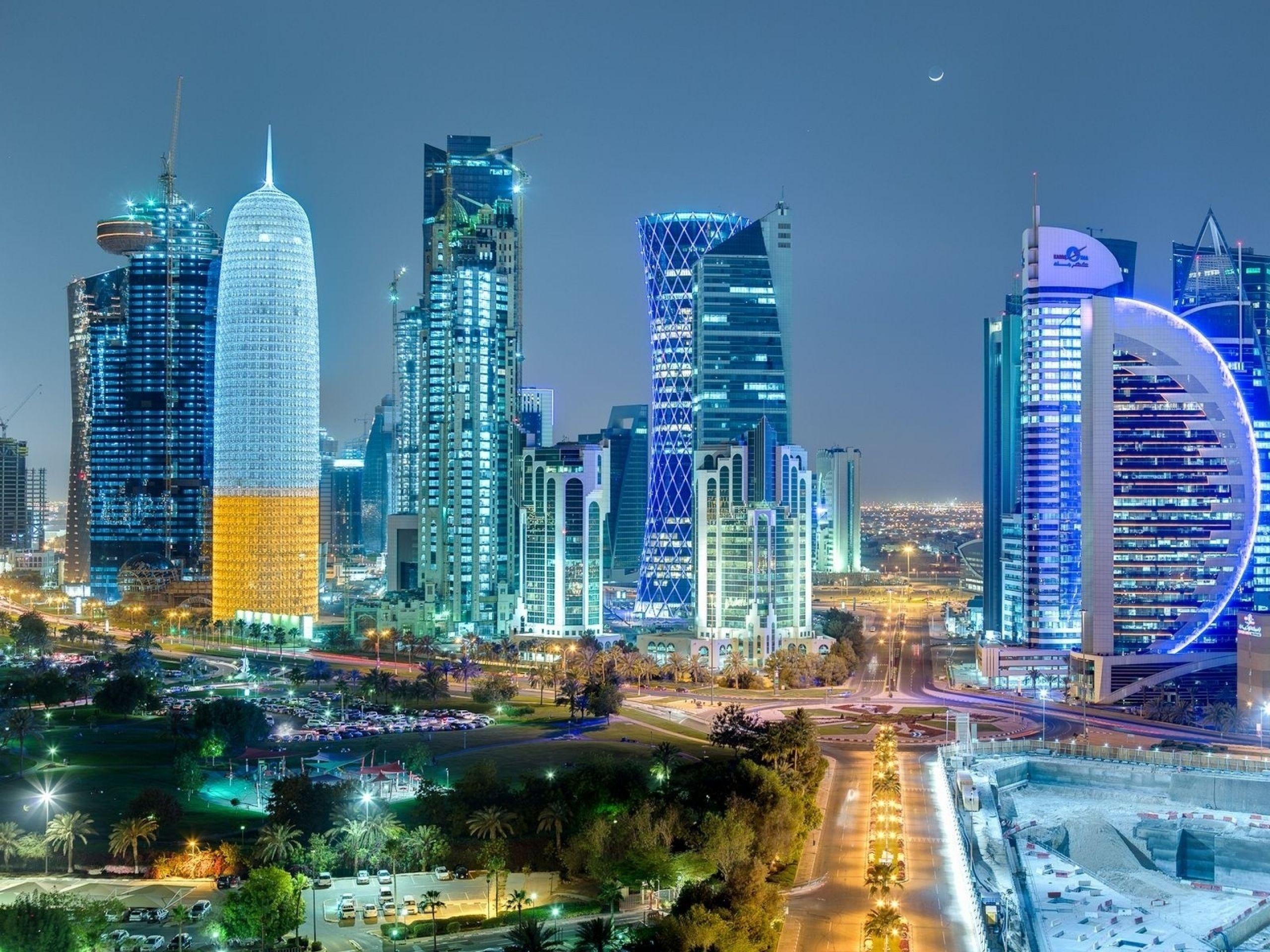
Geopolitical panic usually triggers an immediate sell-off across Gulf equities. Capital flees, indexes drop, and investors scramble for safety. But Qatar has quietly rewritten that script. While broader regional anxieties surrounding the conflict involving Iran send jitters through neighboring bourses, the Qatar stock market has managed to buck the trend and surge.
If you are wondering why Qatari assets are holding firm while geopolitical stress reaches a boiling point, you have to look past the superficial headlines. The resilience isn't an accident. It is the direct result of unique economic buffers, heavy state backing, and Doha’s calculated role as the primary diplomatic anchor in the Middle East. For another look, check out: this related article.
The Power of the Mediator's Shield
When tensions flare between Washington, Israel, and Tehran, markets across the Middle East typically react with maximum volatility. Supply chain fears, oil price swings, and threats to regional infrastructure usually prompt massive capital outflows. Yet, Qatar sits in a fundamentally different position.
Doha isn't just a bystander caught in the crossfire; it is actively steering the diplomatic track. With high-stakes negotiations pivoting through Qatari intermediaries—including recent intensive talks in Tehran and Doha between Iranian officials and regional mediators—the market perceives a localized insulation. When you are the one holding the pen on ceasefire proposals and draft deals, local institutional investors realize you have direct insight into how the crisis will unfold. That proximity to peace talks provides a distinct psychological floor for equities. Similar reporting on this trend has been shared by Financial Times.
Liquidity and Institutional Muscle
Retail panic often drives short-term market dips, but the Qatar Stock Exchange is heavily anchored by deep-pocketed state-linked institutions. Sovereign wealth funds and domestic institutional players regularly step in to absorb selling pressure during regional escalations.
They don't panic-sell on rumors of military posturing or fiery rhetoric from state media. Instead, they look at long-term cash flows. Qatar’s massive liquefied natural gas (LNG) expansion projects ensure a steady, multi-decade stream of state revenues that remains largely independent of short-term regional skirmishes. This financial heft gives local heavyweights the confidence to buy the dip, stabilizing the index while other regional markets slide.
Energy Supply Realities vs. Market Perception
Markets often misprice risk based on worst-case scenarios. Earlier in the conflict cycle, threats directed at energy installations and shipping lanes created widespread panic. Traders assumed all Gulf assets shared equal exposure to disruption.
Reality proved more nuanced. Qatar’s primary hydrocarbon export facilities and maritime routes have maintained operational safety, even as regional naval tensions persist. Investors are beginning to realize that physical asset damage remains a low-probability tail risk compared to the high-probability reality of sustained gas demand in Europe and Asia.
What Investors Get Wrong About Gulf Correlations
A common mistake is treating the Gulf Cooperation Council financial ecosystem as a monolith. Analysts often lump Saudi Arabia, the UAE, Qatar, and smaller regional bourses together under a single "Middle East Risk" umbrella.
That lazy analysis costs traders money. Each market has a distinct ownership structure, debt profile, and geopolitical beta. Qatar's lower retail participation rate compared to other regional exchanges means fewer emotional liquidations during headlines about US-Iran friction. The index moves on fundamentals and state-backed liquidity rather than algorithmic panic.
Positioning Your Portfolio for Regional Volatility
If you're evaluating exposure to Gulf markets during an active geopolitical standoff, copying broad index strategies will fail. You need to weigh three specific factors:
- State Support Depth: Look at the percentage of free float controlled by sovereign entities versus emotional retail traders. High institutional ownership creates a natural shock absorber.
- Diplomatic Leverage: Markets reward countries that shape outcomes. Nations positioned as essential negotiators carry less structural risk than those seen as passive targets.
- Cash Flow Visibility: Prioritize companies tied to long-term structural contracts, such as multi-year LNG agreements, rather than cyclical consumer discretionary stocks vulnerable to sudden tourism or sentiment drops.
Geopolitical headlines will continue to whip back and forth as diplomatic talks in Doha and beyond face friction. Expect more sudden drops followed by sharp recoveries. But don't mistake temporary regional noise for structural weakness. Qatar’s ability to buck the slide proves that strong fiscal fundamentals and central diplomatic positioning matter more than generalized fear.