You can't understand the modern Middle East without understanding Sheikh Hamad bin Khalifa Al Thani. When news broke on July 12, 2026, that Qatar's Father Emir passed away at age 74, it didn't just mark the end of an era for Doha. It sent shockwaves through global energy markets and diplomatic circles. He wasn't just a traditional Gulf ruler. He completely flipped the script on how a tiny peninsula with a small population could project massive global power.
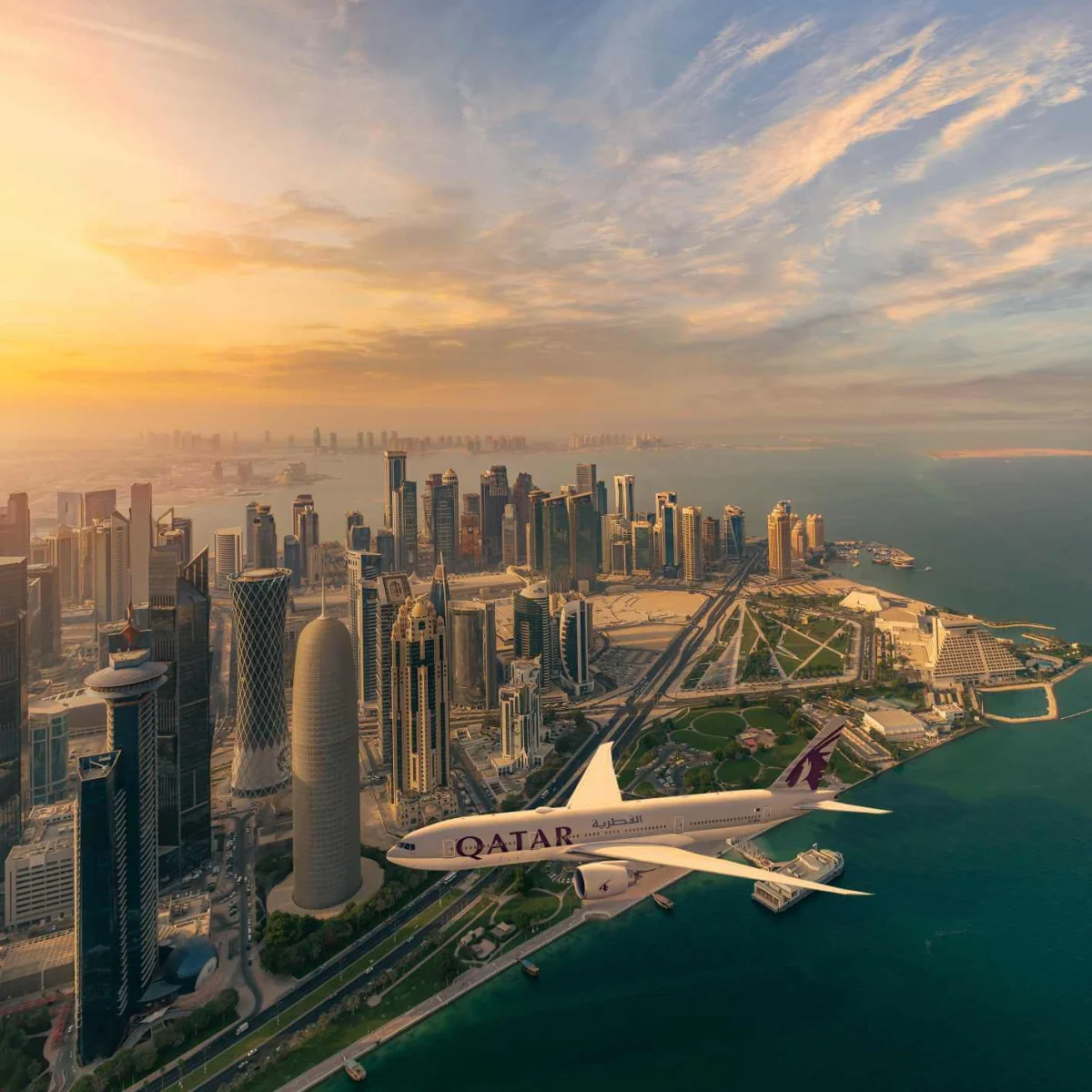
Most people look at Qatar today—the glittering skyscrapers of West Bay, the state-of-the-art stadiums that hosted the 2022 World Cup, the global diplomatic influence—and think it was all inevitable. It wasn't. When Sheikh Hamad took power in 1995, Qatar was sleepy, heavily indebted, and deeply overshadowed by its larger neighbors. By the time he voluntarily stepped down in 2013, he had built a global juggernaut.
Here's the real story of how the Father Emir transformed a quiet desert state into an indispensable global player, and why his blueprint still dictates the geopolitics of today.
The Liquid Natural Gas Gamble That Changed Everything
In the mid-1990s, Qatar sat on a massive underwater asset known as the North Field. It was the largest non-associated natural gas field in the world, shared with Iran. The problem? Nobody wanted to buy natural gas back then. It was expensive to cool into liquid, incredibly risky to transport, and the technology was unproven on a massive scale. Big international oil companies didn't want to touch it.
Sheikh Hamad went all in anyway.
He ignored the skeptics and poured billions into building Liquefied Natural Gas (LNG) infrastructure. He partnered with foreign companies like ExxonMobil and took on massive debt to construct mega-trains that could liquefy gas at record-breaking speeds.
The gamble paid off spectacularly. By 2006, Qatar became the largest exporter of LNG on earth. During his eighteen years in power, Qatar’s GDP skyrocketed more than twenty-four-fold. The country went from financial uncertainty to boasting one of the highest per capita incomes in the world. That massive wealth machine didn't just fund a domestic boom; it created the Qatar Investment Authority, a sovereign wealth fund that snapped up iconic global assets from London's Harrods to stakes in major international banks.
Soft Power and the Weaponization of Media
Economic wealth is one thing, but Sheikh Hamad knew money alone wouldn't protect a tiny nation wedged between regional giants. He needed a different kind of armor. He found it in soft power.
In 1996, just a year after taking the reins, he launched Al Jazeera.
At the time, Arab media consisted almost entirely of dull, state-censored channels broadcasting official propaganda. Al Jazeera blew that model to pieces. By giving airtime to dissidents, hosting fierce live debates, and covering stories that regional dictators wanted buried, the network became a massive hit across the Arab world. It gave Qatar a loud, influential voice that punched far above its physical weight.
Of course, it also made Doha a lot of enemies. Neighbors hated the network's aggressive coverage, but that was exactly the point. The channel turned Qatar from an easily overlooked patch of sand into an unignorable media powerhouse.
Playing All Sides in Global Diplomacy
If you want to know what hands-on diplomatic experience looks like, look at the Father Emir's foreign policy. He built a strategy entirely around being useful to everyone, often at the exact same time.
He allowed the United States to build Al Udeid Air Base, which became the forward headquarters for US Central Command in the region. Simultaneously, he maintained open diplomatic lines with Iran, hosted offices for political opposition movements, and positioned Doha as the ultimate neutral ground for mediation.
When regional conflicts boiled over, Qatar was usually the one hosting the peace talks. Sheikh Hamad personally steered mediation efforts that resolved the 2008 political crisis in Lebanon, brokered deals in the Darfur conflict, and managed tricky border disputes between Sudan and Eritrea. Critics often called this approach contradictory or dangerous, but it made Qatar structurally secure. If everyone needs you to talk to their enemies, nobody can afford to let you fail.
The Unprecedented Handover of Power
Perhaps the most surprising move of his entire reign came in June 2013. In a region where leaders traditionally rule for life, Sheikh Hamad voluntarily stepped down at the age of sixty-one, handing absolute authority to his 33-year-old son, Sheikh Tamim bin Hamad Al Thani.
This wasn't a forced palace coup; it was a highly calculated, peaceful transition designed to transition Qatar into a younger, more modern era.
By stepping away from direct governance while still remaining an influential advisor as the "Father Emir," he ensured political stability and allowed his successor to cement his own leadership long before the inevitable crises of the late 2010s arrived.
The Blueprint That Endures
The passing of Sheikh Hamad bin Khalifa Al Thani marks the loss of a truly distinctive political strategist. His legacy isn't just found in historical textbooks; it's visible in the daily operations of global energy markets and international diplomacy. He proved that a small state doesn't have to accept being a pawn in someone else's game.
If you're looking to understand where Qatar goes next, your best move is to look closely at the foreign policy directives and energy expansion plans currently coming out of Doha. You'll quickly realize that even with the Father Emir gone, the playbook he wrote is still being followed down to the letter.