Rabies isn't just a threat lurking deep in the woods anymore. Public health officials in the Montérégie region have confirmed a second case of raccoon rabies in a domestic cat, this time discovered in Saint-Anicet.
If you thought indoor-outdoor pets or urban stray populations were safe from wildlife strains, think again. This recent confirmation follows closely behind a frightening incident in Godmanchester where a stray cat lunged at people, ultimately forcing three individuals to undergo urgent post-exposure prophylaxis.
Let's look at what's actually happening on the ground in Quebec, why rabies protocols matter right now, and how you can protect yourself and your animals.
The Reality of Raccoon Rabies Spreading in Quebec
Numbers don't lie. The province has tracked a sharp climb in raccoon rabies cases, recording 118 confirmed cases so far. That already outpaces the 93 total cases logged across all of last year. Approximately 80 per cent of these incidents are concentrated right in the Montérégie region.
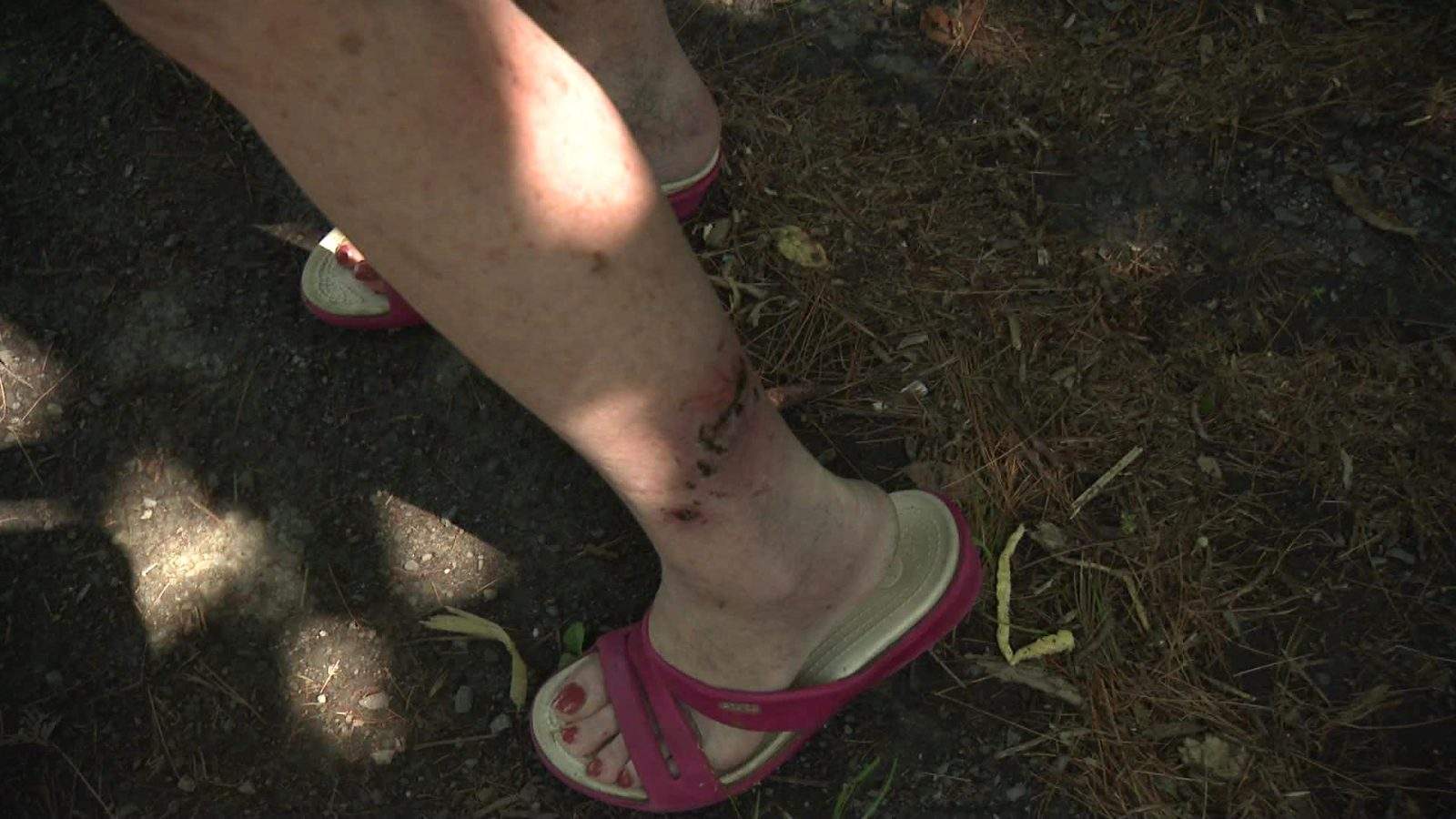
When a virus leaps from wild animal populations into domestic or stray cats, the game changes. Cats hunt mice, scrap with raccoons, and wander into backyards. When an infected stray attacks humans—as happened when a local resident and a paramedic were bitten—the risk shifts instantly from an animal health issue to an emergency human health crisis.
Rabies is basically 100 per cent fatal once symptoms show up. There's no cure. That's why health boards treat any potential exposure with absolute urgency.
What You Should Do If You're Exposed
Panicking won't help you, but acting fast will. If you get bitten, scratched, or even come into contact with the saliva of an unfamiliar animal, you need to follow a strict protocol immediately.
- Wash the wound right away. Scrub the affected area vigorously with soap and warm water for at least 15 minutes.
- Call for help. Contact Info-Santé at 811 without delay. They'll assess your exposure level and direct you to emergency care.
- Get vaccinated. Post-exposure prophylaxis involves a series of shots. When administered promptly after an attack, this treatment is practically 100 per cent effective at stopping the virus before it reaches your nervous system.
Don't wait to see if the animal looks normal tomorrow. By then, it could be too late.
Protecting Your Pets and Stopping the Spread
Most pet owners assume their furry friends are invincible. They aren't. MAPAQ (the Ministère de l'Agriculture, des Pêcheries et de l'Alimentation) is pressing owners to keep rabies vaccinations strictly up to date.
If you let your cat roam free outside unsupervised, you're rolling the dice. Keep them indoors. If you spot a raccoon, skunk, or fox acting disoriented, paralyzed, or aggressively weird, stay away from it. Report it immediately to the Ministry of the Environment at 1-877-346-6763 or through their online reporting tools.
Vigilance keeps communities safe. Check your pet's vaccine records today.