Counter-terrorism investigations don't move in straight lines. They stall, they release suspects on bail, and then, when new digital footprints emerge, they strike again. That reality hit the headlines when British police rearrested two men connected to the high-stakes security breach at RAF Fairford.
If you've been following the autumn security updates out of Gloucestershire, you know this case is far from local mischief. It is an international intelligence puzzle involving suspected state-backed espionage, heavy-hitting military hardware, and tense diplomatic lines between London, Washington, and Tehran.
Let's break down what actually happened, why these rearrests matter right now, and what officials are quietly whispering behind closed doors.
The Backstory of the RAF Fairford Security Scare
Back in late September, Gloucestershire became the center of a massive counter-terrorism operation. It started with a suspicious report involving vehicles moving toward RAF Fairford—a critical Royal Air Force station heavily utilized by the United States Air Force.
Local authorities declared a major incident. Around 85 households faced emergency evacuations while bomb disposal squads combed the area. Five men were initially arrested under terrorism and explosives acts, only to be released on police bail days later while forensic teams sifted through mountains of digital data.
Subsequent sweeps brought additional arrests into the fold, including a dual UK-Iranian national picked up in London. The early panic over a crude bomb plot quickly evolved into something much darker: an investigation into foreign intelligence operations on British soil.
Why the Rearrests Changed the Game
On October 20, the National Counter Terrorism Policing network pulled two of those previously bailed suspects back into custody.
The individuals involved include a 24-year-old British national originally detained outside the air base perimeter, and a 25-year-old British-Iranian dual national who was initially caught in London. This time, investigators aren't just looking at general terror offences. They slapped both men with fresh allegations under Section 3 of the National Security Act 2023—specifically, assisting a foreign intelligence service.
That distinction is everything.
It marks a shift from stopping a local kinetic attack to dismantling a hostile state network. British officials are signaling that these men weren't operating in a vacuum. They allegedly acted as local assets or facilitators for a foreign power.
The Iranian Connection and the Global Fallout
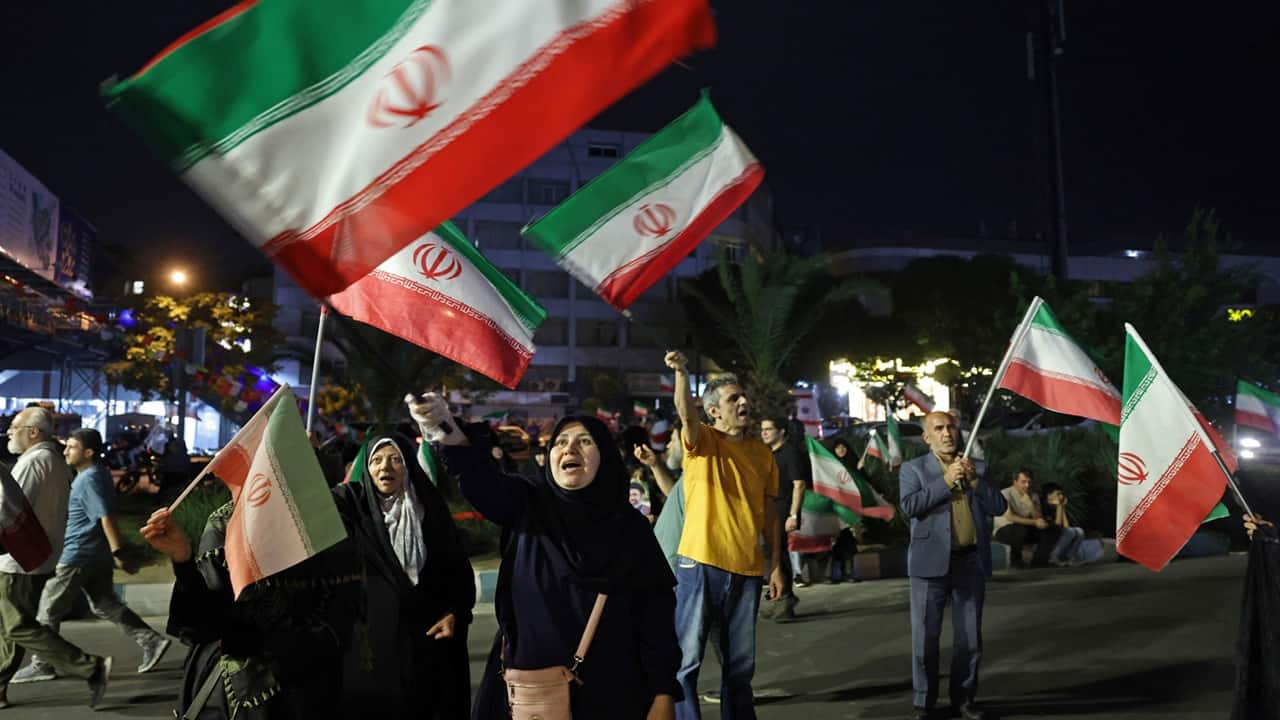
Prime Minister Andy Burnham didn't mince words early on in the investigation, pointing to strong indications that Iran played a direct role in orchestrating the incident. Senior law enforcement officials have since echoed that sentiment, noting that state involvement is considered highly likely.
The target itself explains why. RAF Fairford has played a strategic role in long-range bomber deployments, serving as a launchpad for strategic missions that drew sharp condemnation from Tehran. When foreign powers can't counter military might on the open battlefield, asymmetrical sabotage and intelligence gathering near vital airbases become their weapon of choice.
The international shockwaves were immediate. High-ranking U.S. officials, including former President Donald Trump and Secretary of State Marco Rubio, publicly pointed fingers at foreign actors, noting that Washington and London had been tracking potential threats to the facility. Shortly after the security breach, the U.S. Air Force withdrew its B-1 Lancer bombers from the Gloucestershire base entirely.
What Happens Next in the Investigation
Senior counter-terrorism heads have labeled this an exceptionally complex web. When dealing with proxy networks and state intelligence operations, gathering enough admissible evidence to charge suspects securely takes months of digital forensics.
The Iranian Embassy in London has forcefully rejected the allegations, calling them unfounded speculations. Yet, British investigators continue unearthing links. With over fifty arrests tied to Iran-linked hostile plots inside the UK over the past year, the Fairford incident is part of a broader, grim trend of foreign interference on British streets.
Expect these rearrests to lead to tighter security protocols around joint military installations, alongside stricter oversight of dual-national intelligence risks. The courtroom battles ahead will test the limits of the UK's modern national security legislation.