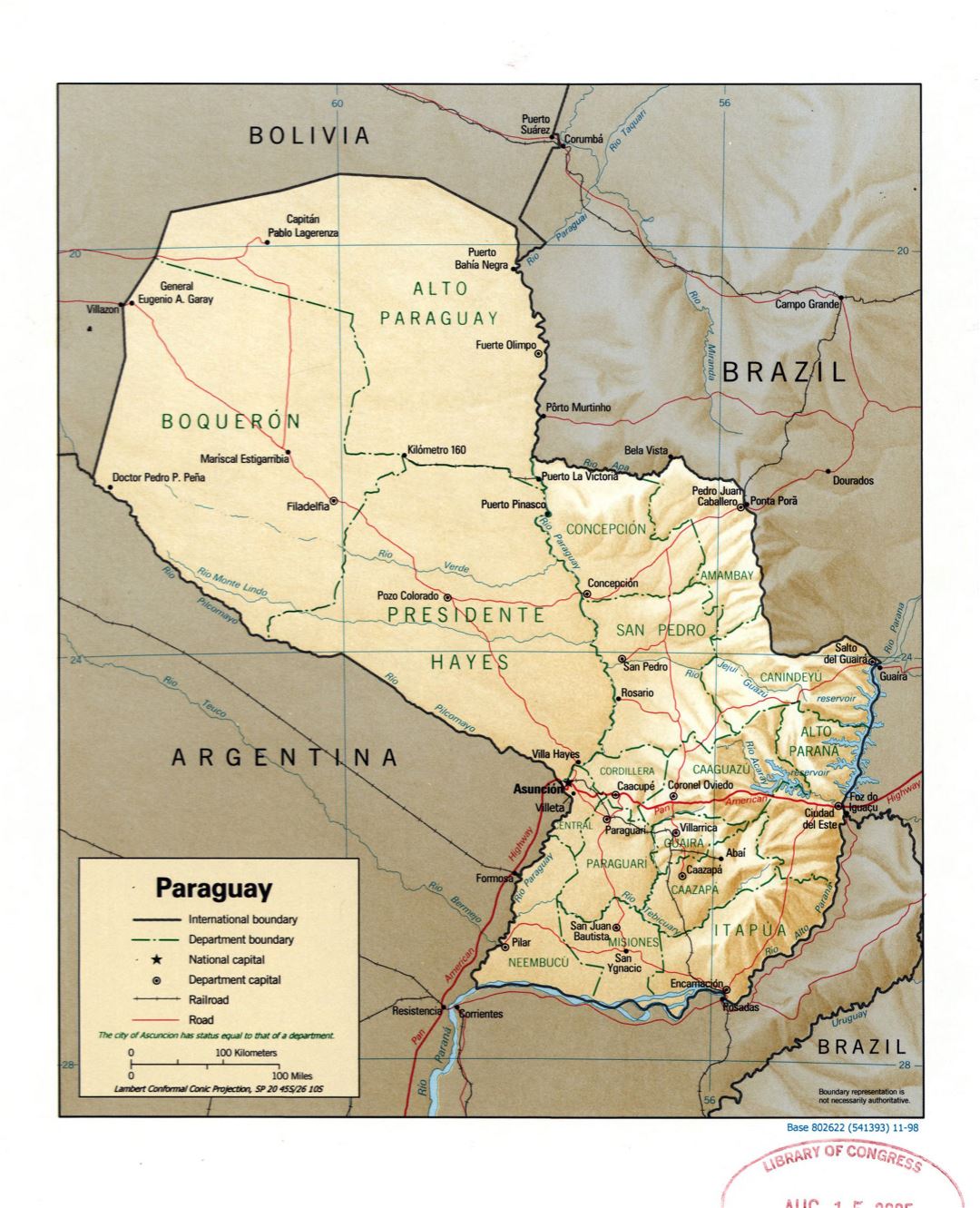
Police descended on a luxury mansion in San Bernardino, Paraguay, and changed the country's political landscape overnight. Former President Santiago Peña watched law enforcement search his multimillion-dollar property as part of an escalating investigation into the catastrophic collapse of Ueno Bank.
If you've followed South American politics for long, you know that corruption scandals rarely stay quiet. But this one moves fast. Peña was dismissed from office by the Senate just days prior, replaced by Vice President Pedro Alliana. Now, investigators are picking apart the financial architecture behind his opulent lifestyle. Discover more on a connected topic: this related article.
The Mortgage That Didn't Add Up
At the heart of the prosecutors' case is a staggering discrepancy between public salary and private luxury. Investigators claim Peña secured two loans totaling roughly $500,000 from Ueno Bank in 2024 to fund the construction of his massive estate outside Asunción.
The numbers are glaring. His monthly mortgage payment hits $38,000. That sits at roughly six times his official monthly salary as the president of Paraguay. More journalism by BBC News delves into related views on the subject.
Prosecutors argue this wasn't standard banking. They allege Peña used his immense political leverage to steer millions of dollars in government deposits straight into Ueno Bank. While public funds flooded the institution, critics claim executives handed out risky, questionable loans to insiders—while ignoring clear warnings about the bank's solvency.
Hidden Walls and Locked Vaults
The search of Peña's residence turned up details straight out of a political thriller. During the raid, police and anti-corruption prosecutors discovered a high-security safe hidden directly behind a false wall.
Investigators quickly ran into a wall of their own. The vault, allegedly manufactured in Israel and secured by an advanced iris-scanning biometric system, refused to open. Law enforcement officers couldn't access the interior during the initial sweep, leaving authorities scrambling for technical solutions to uncover what might be stored inside.
Meanwhile, the political fallout continues to ripple across the nation. Former central bank chief Carlos Carvalho, appointed during Peña's administration, has also faced detention orders as the net widens.
Dealing With the Aftermath
While legal battles play out in the courts and behind closed doors, ordinary citizens are footing the bill for the institutional failure. The sudden collapse of Ueno Bank froze accounts for roughly 1.2 million customers.
Acting leadership stepped in to manage the crisis. Vice President Pedro Alliana announced that the government has begun distributing reimbursements to affected account holders, with payouts totaling about $158 million so far.
Peña denies any wrongdoing. But as investigators pore over mortgage documents, hidden vaults, and state deposit logs, the former president finds himself confined to house arrest—a stunning fall from the highest office in the country.