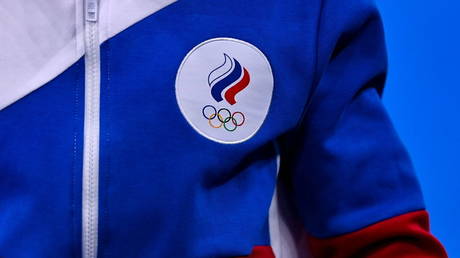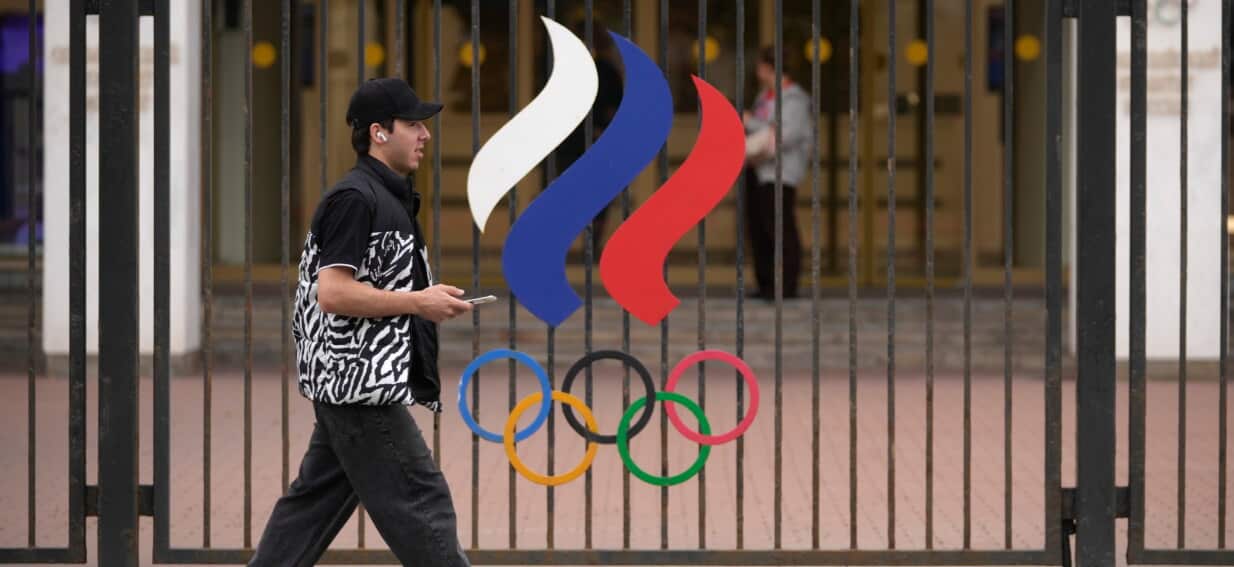
The International Olympic Committee just made its most controversial move in years. By provisionally lifting the suspension on the Russian Olympic Committee, the IOC essentially handed Moscow a roadmap to the Los Angeles 2028 Games.
If you think this is just about sports, you're missing the bigger picture. It is a massive shift in global sports diplomacy. It changes how the world treats rogue states on the playing field.
Naturally, the backlash was instant. Ukraine is furious. The UK government is appalled. Human rights groups are calling it a betrayal of the Olympic Charter. Yet, if you look closely at how the IOC operates, this decision shouldn't surprise you at all. The wheels have been turning in this direction for months.
Let's unpack what actually happened, why the IOC did it now, and what it means for the future of international sport.
The Technicality That Opened the Door
The official reason given by the IOC Executive Board sounds purely bureaucratic. Back in October 2023, the IOC suspended Russia because Moscow absorbed regional sports organizations from occupied Ukrainian territories like Donetsk, Luhansk, Kherson, and Zaporizhzhia. The IOC rightly called that a blatant violation of Ukraine’s territorial integrity.
Fast forward to now. The Russian Olympic Committee quietly went through an internal cleanup. They officially dropped those occupied regional bodies from their membership roll. They gave signed, legal assurances to the IOC that they won't conduct any sports activities in those regions.
The IOC Legal Affairs Commission reviewed the paperwork and declared the core violation fixed. Just like that, the suspension was lifted.
It feels like a loophole. It looks like slick lawyering. To anyone watching the war continue, it feels entirely hollow. But for the IOC, it was the exact legal off-ramp they needed to roll back the blanket restrictions that isolated Russia for nearly three years.
A Fundamental Shift in Olympic Philosophy
There is a deeper reason behind this move that goes beyond paperwork. Under IOC President Kirsty Coventry, the organization is pushing a new doctrine. They explicitly changed internal rules to state that individual athletes should not face punishment for the actions of their governments.
During a press conference announcing the decision, Coventry didn't mince words. She argued that the old vetting process used for Paris 2024 and the Milano Cortina 2026 Winter Games was unsustainable. Only a tiny handful of neutral Russian athletes managed to compete under those strict rules. The IOC wanted a clean break before the qualification windows opened for the Los Angeles 2028 Games.
Coventry also pointed out what she saw as institutional hypocrisy. The Olympic movement never banned African nations during brutal internal and regional wars involving Ethiopia, Eritrea, Sudan, or Rwanda. All those countries marched in Paris. The argument from the top floor of the IOC is simple. If you start banning every country involved in a geopolitical conflict, the Games will collapse.
It is a bold, cynical, and highly pragmatic stance. It prioritizes the survival of the global event over international political solidarity.
The Massive Split Between Global Sports Federations
Lifting the IOC suspension doesn't mean Russian athletes get a free pass to pack their bags for California. The IOC gave individual sports federations the absolute right to make their own decisions. This has created an incredibly messy, fractured sports environment.
Some sports are keeping the gates firmly shut. World Athletics has stood firm, refusing to lift its ban on Russian and Belarusian athletes. FIFA and UEFA also confirmed they have no plans to allow Russian football clubs or national teams back into international competitions anytime soon. For sports like track and field or football, the ban remains total.
Other sports have already surrendered. World Aquatics opened the doors months ago, allowing Russian swimmers to compete under their national identity. World Boxing did the exact same thing, allowing immediate return. Now that the IOC has given a green light, expect a domino effect. Sports like fencing, gymnastics, and weightlifting will likely fast-track Russian athletes back into world championships so they can rack up the qualification points needed for LA28.
The Ongoing Shadow of State-Sponsored Doping
The political fallout is massive, but the anti-doping challenge might be even worse. Let's not forget that Russia has been playing dirty with sports science for over a decade. The systematic cover-up of positive tests at the 2014 Sochi Winter Games triggered years of sanctions.
The Russian Anti-Doping Agency remains suspended. The World Anti-Doping Agency still doesn't trust Moscow's internal testing data. Because of this, the IOC is forcing returning Russian athletes to go through a rigorous screening process run by the International Testing Agency.
Athletes will have to undergo multiple independent, out-of-competition blood and urine tests before they are allowed to compete in Olympic qualifiers. But clean sport advocates are deeply skeptical. Rob Koehler, the head of Global Athlete, publicly blasted the decision, stating that the IOC lowered its own standards to accommodate a country that has repeatedly broken every rule in the book. UK Culture Secretary Lisa Nandy echoed that sentiment, calling the decision a mockery of clean competition.
What Happens Next on the Road to Los Angeles
The qualification timeline is already ticking. Russian athletes will start appearing at international events in specific sports almost immediately. They will have to keep their social media feeds clean, as the IOC promised to monitor athletes to ensure they don't actively promote or celebrate the war in Ukraine.
The biggest unresolved issue is the flag and the anthem. The IOC intentionally delayed that decision. They provisionally lifted the suspension but kept the ban on Russian government officials, state colors, and flags at actual IOC events. They claim they will make a final ruling at an appropriate time closer to 2028.
Expect fierce political maneuvering over the next two years. Ukraine has already hinted at potential athlete boycotts and visa restrictions. Host countries might refuse to issue visas to Russian sports delegations, setting up a direct legal battle with the IOC.
The IOC wants you to believe this decision protects the purity of sport by separating it from politics. In reality, it has just ensured that the lead-up to the 2028 Los Angeles Games will be the most politically charged, volatile Olympic cycle we have seen since the Cold War.
If you want to track which athletes will actually make it to LA28, stop watching the political statements. Watch the individual international sports federations. They hold the real power now. Watch swimming, gymnastics, and combat sports over the next six months. That is where the Russian return will actually take shape, regardless of what the rest of the world thinks.