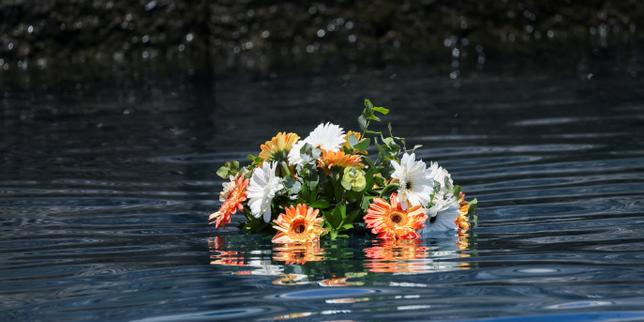
A young man from Sudan, barely into his twenties, died today in the choppy waters off the Greek island of Samos. His death isn't an isolated accident. It's the predictable result of an ongoing, high-stakes game of cat and mouse played out across the Aegean Sea.
While Greek authorities quickly pointed to a 27% drop in sea arrivals during the first half of 2026 as a sign of success, the reality on the water tells a completely different story. Fewer arrivals don't mean fewer people are trying to escape. It just means the journey has become exponentially more lethal.
Here's exactly what happened off Samos on July 6, 2026, and why the official celebration over declining numbers misses the point entirely.
The Samos Disaster by the Numbers
Early Monday morning, a routine patrol turned into a frantic rescue operation. The Greek coast guard spotted a failing migrant vessel struggling against a Force 6 gale on the Beaufort scale. Strong winds lashed the sea, creating whitecaps and making any sort of navigation nearly impossible for an overcrowded, flimsy boat.
The coast guard managed to pull 21 people from the water. Another 12 individuals managed to fight the currents on their own, scraping their way onto the rocky shores of Samos without official help. By the time the military scrambled a Super Puma helicopter to assist with the search, they found the body of the young Sudanese man.
Right now, 35 survivors are sitting inside the Zervos semi-closed controlled camp on Samos. They're being processed, fingerprinted, and slotted into an asylum system designed to keep them contained.
The Spin on the 27 Percent Drop
Almost simultaneously with the rescue reports, the Greek Ministry of Migration released its latest data. They proudly announced that sea arrivals dropped by 27% in the first six months of 2026 compared to the previous year.
On paper, politicians can hold this up as a victory for border security. In practice, I see it as a dangerous distraction. When you block traditional, shorter routes, people don't stop fleeing wars in Sudan, Syria, or Afghanistan. They just take longer, more hazardous detours.
For the past year, intense patrolling along the eastern Aegean islands has forced a massive shift in smuggling tactics. Instead of launching short boat rides from the Turkish coast to Samos, Chios, or Lesbos, smugglers now push unseaworthy vessels out into the open Mediterranean from Tobruk, Libya. Their target isn't Samos anymore; it's Crete.
That shift means migrants spend days, not hours, at sea. Earlier this year in February, a single shipwreck south of Crete left 30 people dead or missing. The International Organization for Migration reported that the first two months of 2026 were the deadliest start to a year in the Mediterranean since they started keeping records in 2014. That's the context missing from the Ministry's tidy statistics.
Inside the Zervos Camp Reality
The 35 survivors of the Samos shipwreck aren't heading to a welcoming refuge. They are currently locked inside the Zervos camp, a facility that looks and feels like a prison.
Built with millions of euros in European Union funding, Zervos is a "Closed Controlled Access Center." It features double-barbed wire fencing, biometric surveillance, security cameras with AI threat detection, and strict curfews.
The Greek government argues these camps provide humane living conditions and organized processing. Human rights lawyers and activists on the ground tell me a different story. The isolation inside these remote facilities destroys the mental health of people who have just survived traumatic sea crossings. You escape a sinking boat in a gale, watch someone die, and your reward is a container home surrounded by military-grade security fences.
Structural Pressures on the Aegean Border
The tragedy at Samos highlight a larger policy issue. The European Union's migration strategy relies heavily on frontline states like Greece and Italy acting as shields.
Greece has faced years of intense scrutiny over its border tactics. Just last year, the European Court of Human Rights found Greece guilty of systematic pushbacks. Survivors of a fatal collision near Chios in February 2026 openly disputed the coast guard's official narrative, claiming patrol boats rammed them without warning.
While the Greek coast guard routinely denies these allegations, the lack of transparency keeps the suspicion alive. During the Chios incident, official onboard cameras were conveniently turned off. This pattern of secrecy makes it incredibly difficult to verify what actually happens during these midnight encounters at sea.
Next Steps for Tracking and Action
If you want to understand the true trajectory of Mediterranean migration instead of relying on government press releases, you need to look at specific independent metrics.
First, follow the data collected by the Missing Migrants Project run by the International Organization for Migration. They track the dead and missing, giving a much truer representation of border danger than arrival statistics alone.
Second, monitor the shift toward the southern route to Crete. Watch how local infrastructure on that island strains under the new influx of arrivals from Libya.
Finally, put pressure on international bodies for independent oversight. Border monitoring cannot be left solely to the agencies accused of misconduct. True accountability requires independent observers on patrol vessels and open access for journalists inside facilities like the Zervos camp. The death of a 20-year-old Sudanese man shouldn't be buried underneath a self-congratulatory headline about declining migration percentages.