Street demonstrations across France have given rise to an unexpected viral phenomenon. If you have spent any time looking at clips from the recent student blockades and cost-of-living rallies, you have likely run into protesters chanting a strange, highly specific phrase: “Bismillah, c’est les ténèbres.”
It sounds cryptic. It mixes traditional Arabic with dramatic French slang. Yet, this exact line has transformed from a leaked screenshot into a nationwide badge of defiance, appearing on cardboard placards from Paris to provincial high schools, and even spilling over borders into Italy and Belgium.
If you are wondering why thousands of teenagers are shouting a phrase that roughly translates to "In the name of God, it's the darkness," the answer reveals a deeper story about state surveillance, racial profiling, and a generation of youth pushing back against an out-of-touch establishment.
Where Did the Phrase Actually Come From?
The entire movement behind the slogan started on Snapchat. In early October, as high school students began organizing school blockades to protest education budget cuts and worsening economic conditions, private group chats were flooded with coordinators.
Then, a suspicious user popped up.
According to students and circulating screenshots, an account using the name “Mamadou” requested to join a chat with a message that read: “Hi, in the name of God, it's the darkness. When's the blockade, wallah, bro?”
To anyone familiar with actual youth slang, the message screamed of a bad impression. It jammed together awkward religious phrasing and trendy slang words in a way no actual teenager would ever speak. Students immediately suspected it was an undercover police officer attempting to infiltrate their organizing groups.
Rather than panicking or shutting down the chats, the teenagers did what modern internet culture does best. They weaponized humor. They turned the clumsy text into a meme, mocking the state's clumsy attempt at surveillance.
Decoding the Slang and Stereotypes
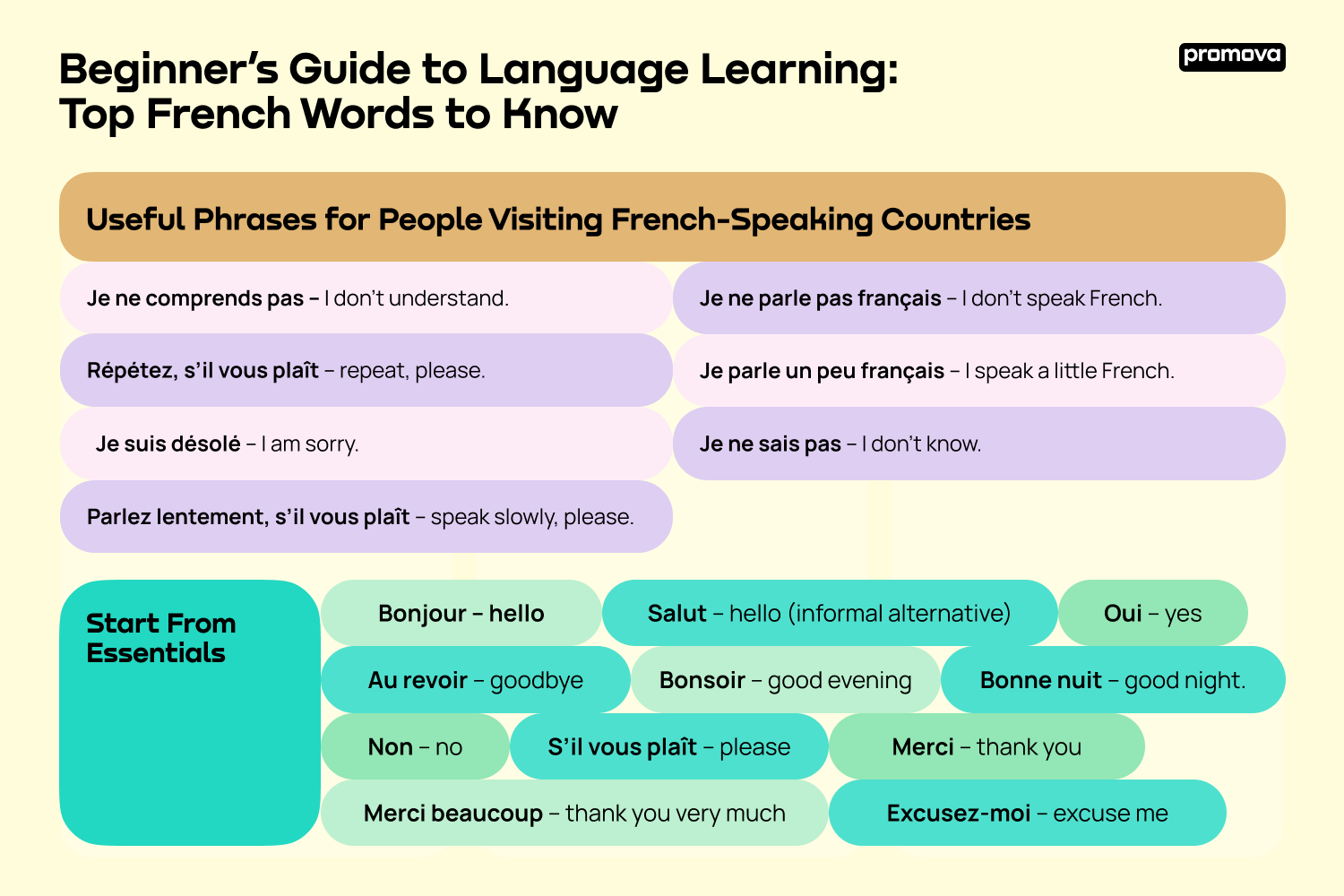
To understand why this moment struck such a nerve, you have to look at the language itself. “Bismillah” is Arabic for “in the name of God,” an expression Muslims traditionally say before beginning any significant task. In modern French youth subculture, it has also become casual slang, roughly equivalent to "let's go" or "let's do it."
Meanwhile, “c’est les ténèbres” translates to “it's the darkness,” a dramatic phrase used to describe a grim or hopeless situation. Smashing them together creates a bizarre linguistic frankenstein that no teenager would naturally utter in daily conversation.
Sociologists studying the protests point out that the message exposed a glaring reality about French institutions. Youssef El Chazli, an associate professor in Arab and Mediterranean sociology at Paris 8 University, noted that the episode reinforces an image of out-of-touch police forces relying on crude stereotypes, particularly targeting youths of Arab and African descent.
By chanting the phrase back at riot police, protesters aren't just making a joke. They are holding up a mirror to the state's biases. They are saying: We see how you view us, and it is ridiculous.
Beyond the Meme: The Real Grievances Driving the Streets
Memes and viral slogans catch attention, but slogans don't empty classrooms and mobilize hundreds of thousands of people on their own. The unrest currently gripping France stems from severe, compounding pressures.
What started as high school student protests over deteriorating school conditions and education spending merged rapidly with nationwide anger over the cost of living. When the government faced a massive wave of demonstrations, hundreds of thousands of people flooded public squares. Tensions escalated sharply, leading to thousands of arrests and intense confrontations between demonstrators and law enforcement.
At the same time, the public debate has grown intensely polarized. Far-right figures and commentators have rushed to frame the unrest through a lens of cultural hostility, while young people on the ground argue that their movement is about economic survival, systemic inequality, and the right to dissent without being heavily profiled.
When youth subcultures collide with heavy-handed state responses, the resulting friction often manifests in unexpected artistic expressions. French protests have a long historical tradition of inventive political humor, and this latest wave proves that digital native generations will use satire to punch up at authority whenever given the chance.
Stop looking at the protests as random bursts of chaos. Pay attention to how language, humor, and digital culture are reshaping modern civil disobedience.
France Protests: What Does 'Bismillah, C'est Les Ténèbres' Mean? Viral Slogan Explained
This video provides an overview of the viral slogan and the context behind the French protests.
http://googleusercontent.com/youtube_content/1