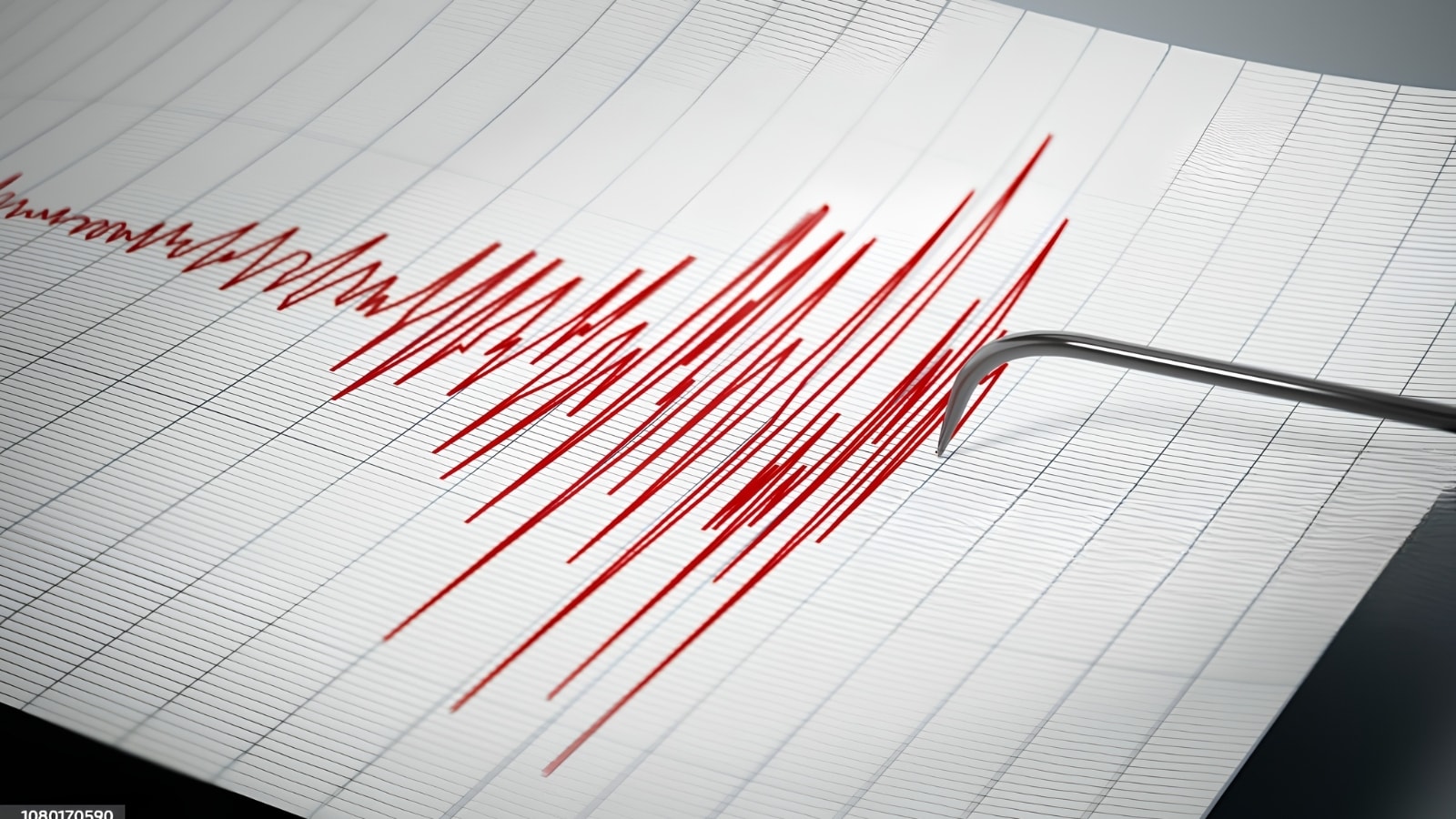
An earthquake doesn't need to reach catastrophic levels to completely disrupt daily life. When a preliminary 5.7 magnitude tremor struck central Japan early Sunday morning, it served as a sharp reminder that geology cares little about what time the clock reads. Centered in Shizuoka Prefecture at a depth of about 40 kilometers, the shaking hit at 1:04 AM, catching residents off guard while they slept.
Even though major structural collapses were avoided and no tsunami warnings were issued, the event left over 20 people injured across Shizuoka and neighboring Aichi prefectures. Most of these injuries weren't caused by collapsing walls, but by frantic midnight dashes, falls down stairwells, and the sheer chaos of sudden violent shaking in the dark.
What Actually Happened on the Ground
The Japan Meteorological Agency measured the tremor at 5.7, while the United States Geological Survey put it slightly lower at 5.5. Intensity-wise, it reached an upper 5 on Japan's rigorous seven-level seismic scale in cities like Chita within Aichi prefecture.
Footage broadcast across local news channels showed the immediate aftermath: shattered glass spilling onto pavement from broken shop windows, and towering stacks of books cascading off retail shelves in bookstores across Toyota city. In Osaka, a resident was hospitalized after tumbling from a second-floor apartment when the sudden motion jolted them awake.
Transport networks absorbed the immediate blow. Regional train services faced temporary suspensions for safety evaluations. The famed Tokaido Shinkansen bullet trains were forced to slow down or halt between Shizuoka and Gifu-Hashima stations while operators inspected the tracks for warping or hairline fractures.
Why This Specific Region Felt It So Sharply
Shizuoka and Aichi sit right in a zone that feels the constant pressure of tectonic movements along the Pacific Ring of Fire. Because the epicenter was relatively shallow—about 40 kilometers deep—the energy translated into sharp, abrupt jolts rather than a distant, rolling wave.
The tremors echoed far beyond the immediate epicenter, rattling historic hubs like Kyoto and Nara, as well as Yamanashi prefecture near Mount Fuji. However, Tokyo remained far enough away that residents in the capital barely noticed the event.
Nuclear safety officials moved fast. Operators at the Hamaoka Nuclear Power Plant in Shizuoka confirmed that no abnormalities were detected following automated safety shutdowns and diagnostic sweeps. The central government immediately established an emergency liaison office in Tokyo to coordinate updates and monitor incoming aftershocks.
Dealing with Seismic Fatigue
Japan deals with earthquakes better than any other nation on Earth, but frequency breeds its own kind of psychological fatigue. This latest middle-of-the-night scare happened while parts of the country are still trying to find normalcy after larger tremors earlier in the year.
When minor or moderate quakes hit, the danger often comes from personal panic rather than structural failure. Tripping in the dark, failing to secure heavy furniture, or trying to run outside during active shaking accounts for a massive share of injuries in mid-scale events.
Keep emergency kits updated, bolt tall bookcases to wall studs, and remember that staying low and protecting your head indoors is safer than trying to sprint down a dark flight of stairs while the earth is still moving.


