Headlines break fast these days. Half the time, they miss the actual story.
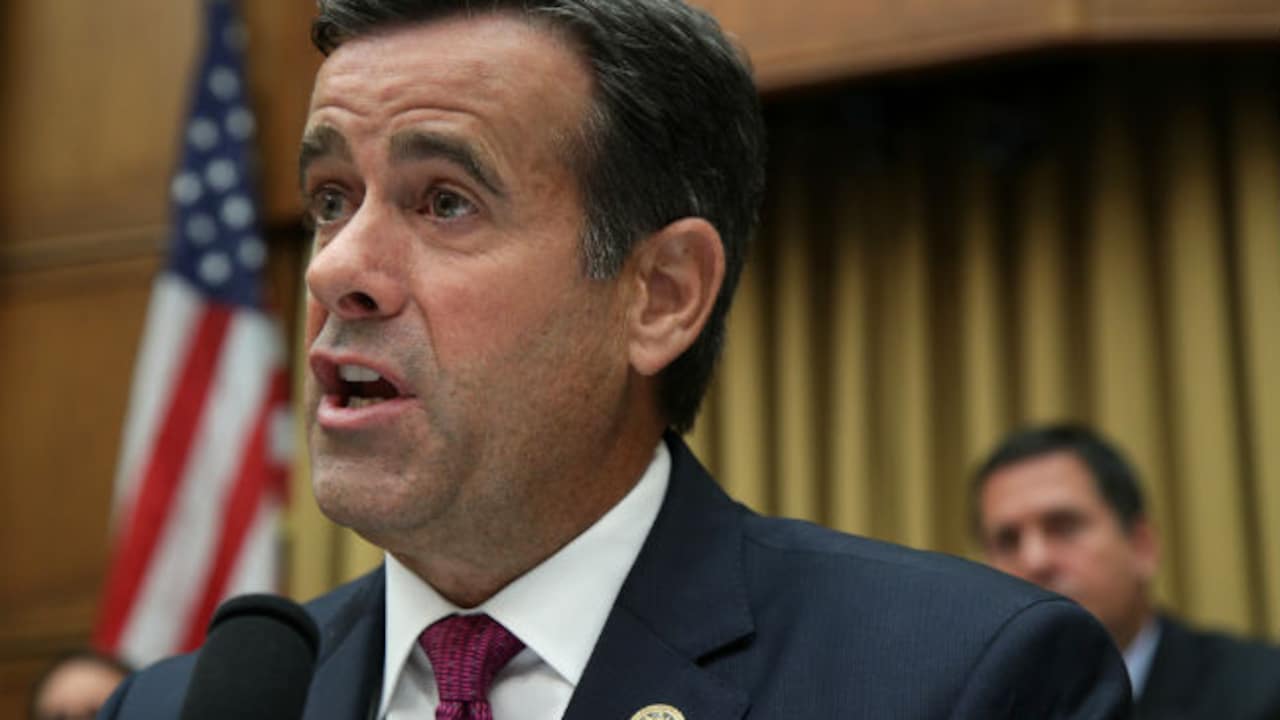
When word leaked that CIA Director John Ratcliffe had direct talks with Russian secret services, social media lit up with speculation about secret peace deals and backroom summits with Vladimir Putin.
The Kremlin had to step in and clear the air. They confirmed the contact happened, but they dropped a hard qualification. Ratcliffe didn't talk to Putin. He talked to intelligence counterparts.
That distinction changes everything. It tells us a lot about how major powers manage friction when diplomatic channels freeze solid.
Moving Past The Rumor Mill
Let's look at what actually happened behind closed doors.
High-level diplomacy doesn't always look like a glamorous summit in Geneva. Often, it's backchannel communication between spy chiefs. This is the plumbing of international relations. It stays hidden until something leaks, or until a government decides it needs to manage expectations.
When the news cycle starts spinning wild theories about secret presidential phone calls, misunderstandings multiply. Moscow's quick clarification wasn't just administrative housekeeping. It was a calculated move to set boundaries on the narrative.
Intelligence communication channels serve a specific purpose. They aren't meant for grand bargains or sweeping geopolitical shifts. They are designed to prevent catastrophic accidents. They exist so that when tensions run hot, message traffic stays clear between Washington and Moscow.
Why Intelligence Chiefs Talk When Diplomats Stay Silent
Most people assume that when countries stop talking publicly, all communication stops entirely. That's a dangerous misconception.
In reality, intelligence agencies maintain quiet lifelines precisely because normal diplomacy breaks down. When foreign ministers stop answering each other's calls, intelligence directors take the line.
Think of it as the ultimate emergency brake.
During periods of intense friction, ambiguity kills. If a military asset moves too close to a contested border, or if a cyber incident triggers automated threat responses, leaders don't have hours to debate through traditional diplomatic channels. They need direct, secure, and quiet verification channels.
John Ratcliffe engaging with Russian security counterparts fits this exact operational playbook. It's about risk reduction, not friendship.
The Reality Of Modern Backchannels
Secret service contacts between rival nations carry a long, pragmatic history.
During the Cold War, direct channels between American and Soviet intelligence assets prevented several close calls from escalating into active conflict. Both sides hated each other's ideologies, but both sides shared a terrifying common interest in avoiding a nuclear exchange.
That dynamic hasn't vanished. The technology changed, the regional conflicts shifted, but the fundamental need for reliable crisis communication remains identical.
When the Kremlin clarifies that Ratcliffe spoke to security officials rather than the head of state, they are signaling two things at once.
First, they are telling domestic audiences that no major diplomatic capitulation or high-level summit is underway. Second, they are acknowledging to Washington that the functional, low-level emergency pipes are still open.
What This Means For The Big Picture
Don't mistake a backchannel conversation for a thaw in relations.
Too many commentators see any communication between adversarial states as a sign of impending peace. That is rarely true. Intelligence talks happen precisely because relations are toxic. They occur because the margin for error is razor thin.
If you are trying to understand where global security is heading, stop looking for public breakthroughs from political leaders. Pay attention to the quiet, unglamorous mechanics of risk management.
Intelligence chiefs don't talk to make friends. They talk to make sure the worst-case scenario doesn't happen by accident. And in the current geopolitical climate, keeping those channels operational is the only baseline that matters.
Take a close look at how information gets framed the next time an anonymous source leaks a high-stakes conversation. Look past the sensationalism. Focus on who is talking, who is listening, and why they need to keep the line open.