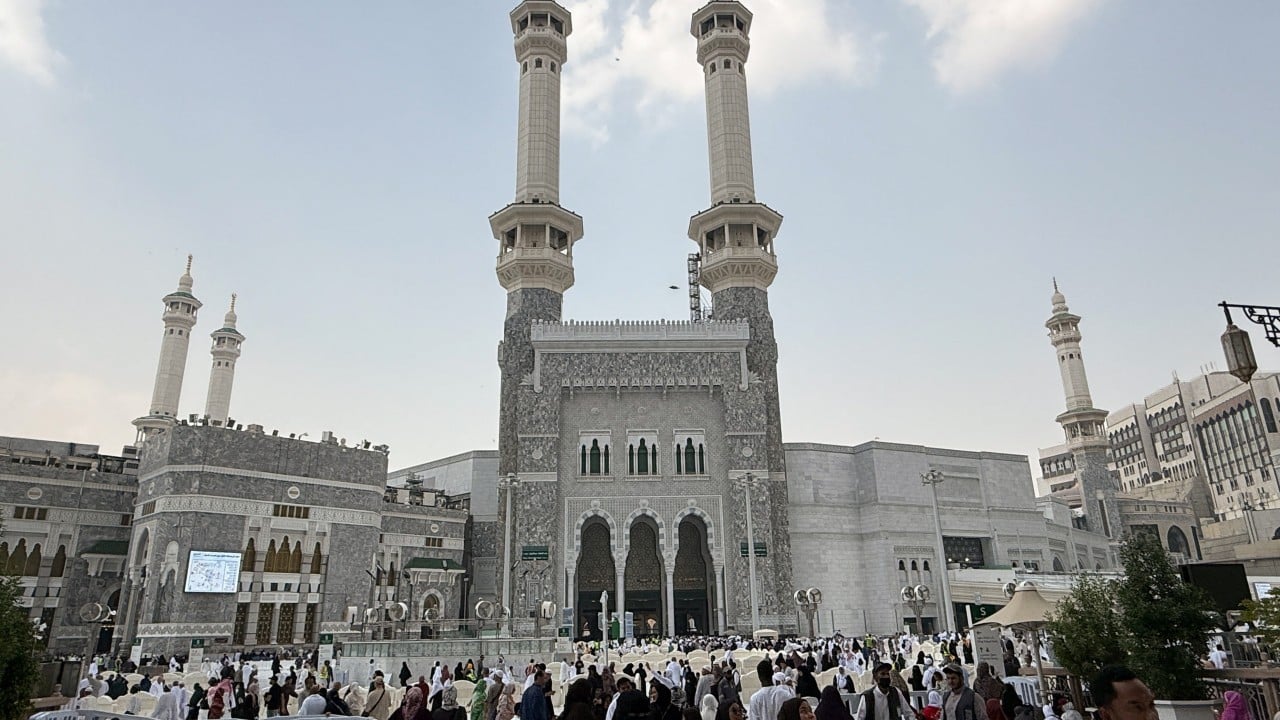
When capital punishment hits foreign nationals inside the holiest sites of Islam, the shockwaves travel fast. Saudi Arabia recently executed a Bangladeshi man and woman following their conviction for committing "indecent acts" inside a mosque in Mecca. The case immediately triggered international headlines, diplomatic tension between Riyadh and Dhaka, and a glaring spotlight on how the kingdom enforces its strict legal framework.
If you're trying to understand why this specific incident escalated so quickly, you have to look beyond the brief official statements. Let's break down what happened, why the diplomatic fallout matters, and how Saudi Arabia's judicial system operates behind closed doors.
What Triggered the Mecca Executions
According to the Saudi Interior Ministry, the two Bangladeshi nationals faced charges for carrying out immoral and obscene acts inside a mosque located in Mecca. The highest court in the kingdom upheld their death sentences, and a royal decree ultimately authorized the executions.
The Saudi government justified the severity of the punishment by citing the "gravity and seriousness of their actions in violating the sanctity of both time and place." State authorities did not publicly release granular details about the precise nature of the acts, opting instead to emphasize the strict protection of religious sites. Under Saudi law, desecrating holy locations or violating Islamic moral codes inside sacred enclosures carries maximum penalties.
The Diplomatic Blindspot and Dhaka's Response
What makes this case stand out isn't just the charge—it's the complete lack of advance notice given to foreign governments.
Bangladesh quickly responded by stating that its foreign ministry was never informed before the sentences were carried out. State Minister for Foreign Affairs Shama Obaed Islam confirmed that Dhaka sent an official letter to Riyadh demanding detailed information regarding the case and the trial process.
For expatri workers and foreign governments, this lack of communication highlights a persistent risk. When citizens travel or work abroad, consular notification is supposed to be a standard diplomatic safeguard. In capital cases within the Gulf, the timeline from a final court ruling to execution can leave embassies with zero window to intervene, provide legal assistance, or even notify families.
Saudi Arabia and the Death Penalty Reality
You can't discuss this case without looking at the broader statistical context. Saudi Arabia remains one of the world's most prolific users of the death penalty. Human rights organizations like Amnesty International note that the kingdom routinely ranks behind only China and Iran in total annual executions.
The kingdom's interior ministry reported hundreds of executions over recent years, covering everything from terrorism-related offenses to drug trafficking and severe moral violations. Just days before the announcement regarding the Bangladeshi nationals, Saudi authorities executed five Saudi citizens convicted of terrorism charges involving weapons and foreign militant groups.
For the kingdom, capital punishment serves as an uncompromising pillar of deterrence and legal sovereignty. For international observers and migrant worker advocates, it highlights the immense legal hazards faced by millions of foreign laborers living under foreign penal codes they might not fully grasp.
If you employ workers abroad or follow Middle Eastern legal affairs, cases like this serve as a stark reminder. Local laws in conservative jurisdictions apply universally, and foreign citizenship offers zero immunity when state security or religious sanctity is invoked.