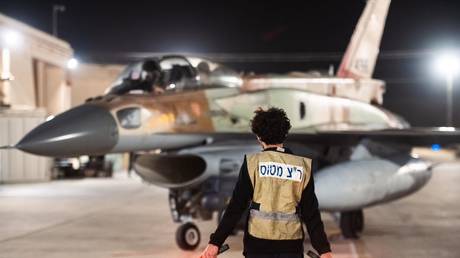
The Middle East doesn't need another powder keg, but that's exactly what we're looking at after Israel's recent decision to strike the Abu al-Duhur airbase in Syria. This wasn't just a surgical hit on a suspected target; it was a move that has left diplomats scrambling and regional tensions hitting a new peak.
When you look past the official press releases, the situation is actually a messy collision of shifting alliances and domestic political pressure. US envoy Tom Barrack, who’s been navigating this wreckage, didn't mince words. He called the strikes an unnecessary escalation that threatens the already fragile stability of the region. In other developments, take a look at: Why The Latest Kyiv Bombardment Changes Nothing About This War.
The Breakdown of Security Arrangements
Israel’s justification for the strike sounds familiar: they claimed Syria was on the brink of violating a long-standing security status quo by allegedly permitting a Turkish military presence at the airbase near Aleppo. According to Prime Minister Benjamin Netanyahu’s office, these warnings were ignored. It's a classic security dilemma. One side fears an encirclement or a new threat, so they strike, which then forces the other side to respond.
Here’s the thing that rarely gets mentioned in the headlines: Damascus and Ankara have both flatly denied these claims. They aren't just saying it's false; they’re calling it a pretext. If you've tracked similar military actions over the last few years, you know that using "preventative" strikes to stop theoretical future threats is a high-stakes gamble that often backfires. Associated Press has analyzed this fascinating topic in extensive detail.
Why This Matters for Regional Diplomacy
You have to look at the broader context to understand the frustration coming from Washington. President Trump’s administration has been pushing for specific peace trajectories, and this military action completely cuts across that grain. When an envoy openly contradicts a strategic partner, it tells you everything you need to know about the current level of friction.
Barrack’s comments on social media weren't just standard diplomatic boilerplate. By explicitly stating that the Syrian government hasn't been acting with a "predatory posture," he’s signaling that the US doesn't buy the narrative Israel is selling. That’s a massive break from the usual aligned messaging we see between the two nations.
The Domestic Pressure Cooker
It’s impossible to ignore the timing here. Netanyahu is staring down parliamentary elections this coming October. History shows us that when leaders in this region face domestic political heat, the military option becomes much more attractive. It’s a way to reframe the national conversation around security and national strength.
However, this tactic carries a heavy cost. By escalating against Syria while simultaneously managing ongoing, intense friction regarding the Gaza conflict and stalled peace talks, the Israeli government is spreading its diplomatic and military focus thin.
What Comes Next
We are likely to see a period of intense posturing. You’ll hear more rhetoric about "red lines" and "security mandates." But look for the actual moves on the ground. Are Turkish assets actually moving? Is Syria going to lean harder into its security partnerships with other regional actors? That is where the real story is playing out.
If you’re trying to make sense of the noise, stop watching the daily press conferences and start watching the regional supply lines and communication channels. Diplomatic condemnations are just the visible tip of an iceberg. The real damage is done in the erosion of trust between partners who are supposed to be working toward a unified goal of regional containment.
For now, the situation remains locked in a cycle of action and reaction. Without a significant shift in how these security claims are verified—or at least addressed through diplomatic channels—the risk of a miscalculation remains incredibly high. Keep an eye on how the upcoming elections impact these military decisions. That’s the real indicator of where this goes next.