Three violent incidents inside a single week don't just happen. They shatter a nation's sense of security. Poland is currently grappling with a terrifying reality after a string of school attacks left communities panicked, politicians scrambling, and parents demanding immediate answers.
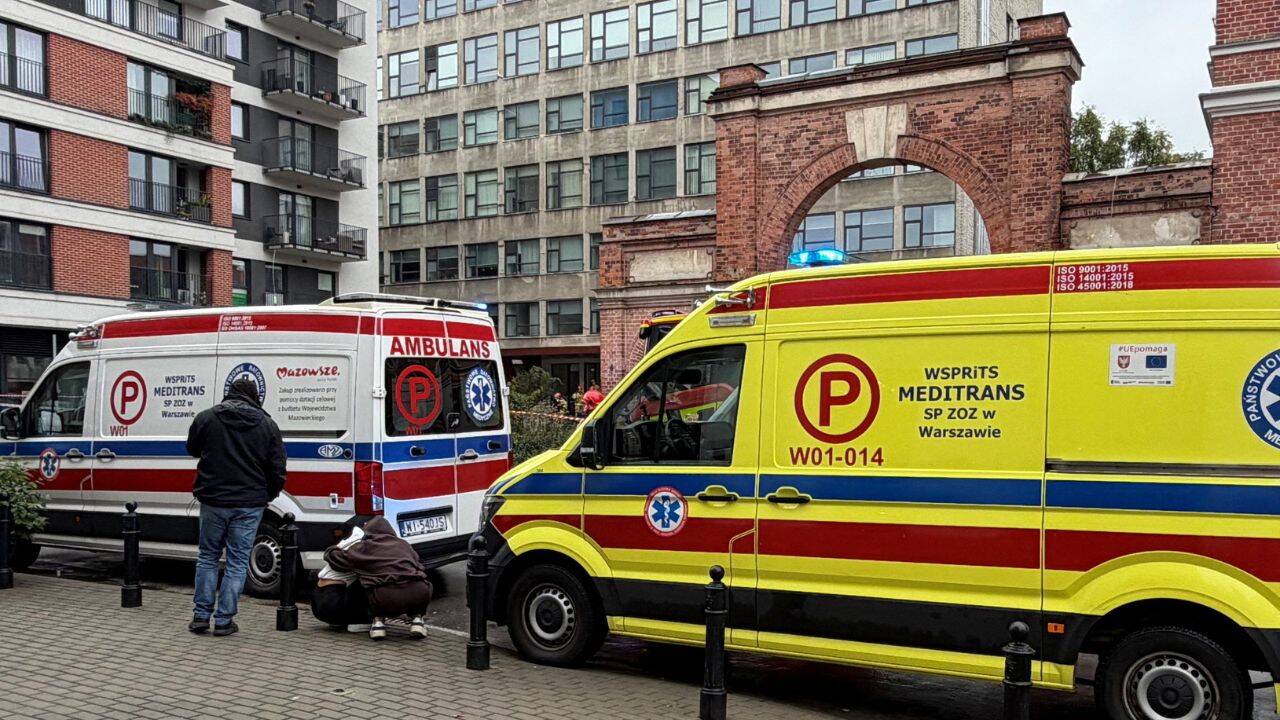
When a 21-year-old woman injured three people at a Warsaw educational institution on Saturday, it marked the third violent school assault in just seven days. This followed two harrowing incidents in the central province of Mazovia: a vocational school stabbing spree that left nine injured, and a horrific knife attack by a 15-year-old that killed a school custodian.
The immediate fallout has been chaotic. Police detained dozens of individuals across the country, inspected tens of thousands of schools, and deployed patrols to calm jittery families. But behind the heavy police presence lies a deeper, more uncomfortable question about how institutional safety failed so rapidly.
The Anatomy of a National Panic
Panic spreads faster than facts. By Thursday night, online parent groups and social media feeds were flooded with rumors. People whispered about coordinated plots, impending mass assaults, and a dubbed "bloody Friday."
Authorities quickly clarified that they found no evidence of an organized online challenge driving the violence. Still, the fear was entirely real. Fifty-nine institutions suspended classes on Friday. Thousands of parents chose to keep their children home.
When you look at the detentions, the anxiety makes sense. Police picked up a 14-year-old boy in Warsaw carrying a knife and firecrackers. Another teenager carried a butterfly knife in his school backpack. Others were hauled in for posting weapon photos online or threatening fellow students.
Interior Minister Marcin Kierwinski drew a hard line, stating there would be no compromise on youth safety. Yet, statements and patrols are reactive measures. They don't fix the underlying vulnerabilities that allowed teenagers and young adults to bring deadly weapons into classrooms unchecked.
The Legal and Digital Blind Spots
Poland’s leadership faces intense pressure to plug legislative gaps. Prime Minister Donald Tusk pointed directly to the legal limitations surrounding online content. He noted that if the 15-year-old attacker had streamed his crime online, authorities lacked the legal authority to block it in real time.
That's a glaring loophole in the modern digital age. When troubled youth look for digital validation or try to broadcast violence, governments need swift tools to cut off the signal.
Beyond digital policing, physical security in schools is under the microscope. Most Polish schools operate on an open-door philosophy. They prioritize a welcoming educational environment over fortress-like security. Metal detectors are rare. Bag checks are usually voluntary or nonexistent.
That model works fine until it doesn't. Now, educational administrators are forced to reconsider everything. Placing extra staff at entrances and running random backpack checks are temporary bandages. Long-term security requires structural changes that European schools have historically resisted.
Human Courage Against the Chaos
Amid the systemic failures, individual bravery prevented an even worse body count. During the Thursday knife attack, school director Krzysztof Ochmanski managed to overpower the 15-year-old assailant.
Ochmanski later shared a chilling detail about the confrontation. At one point, the teenager understood the gravity of his actions. He stopped fighting, asked for help, and even wanted a hug.
That human moment highlights the tragedy behind these assaults. The perpetrators are often deeply troubled young people who slip through the cracks of mental health support networks, family monitoring, and school counseling. Stopping the next attack requires more than police checkpoints at the front door. It demands early intervention for kids in crisis before they pick up a weapon.
What Needs to Happen Now
Poland's schools will reopen under a permanent cloud of vigilance. Enhanced security measures and crisis-response training are rolling out nationwide. But checkpoints alone won't solve a crisis rooted in alienation and unaddressed mental distress.
If you're a parent, educator, or policymaker, don't wait for official mandates to start difficult conversations. Talk openly with young people about stress, online extremism, and conflict resolution. Pay attention to sudden behavioral shifts.
Review local emergency protocols with your school board. Demand transparent mental health resources rather than just security theater. Safety starts with community awareness, long before anyone ever reaches the school gates.