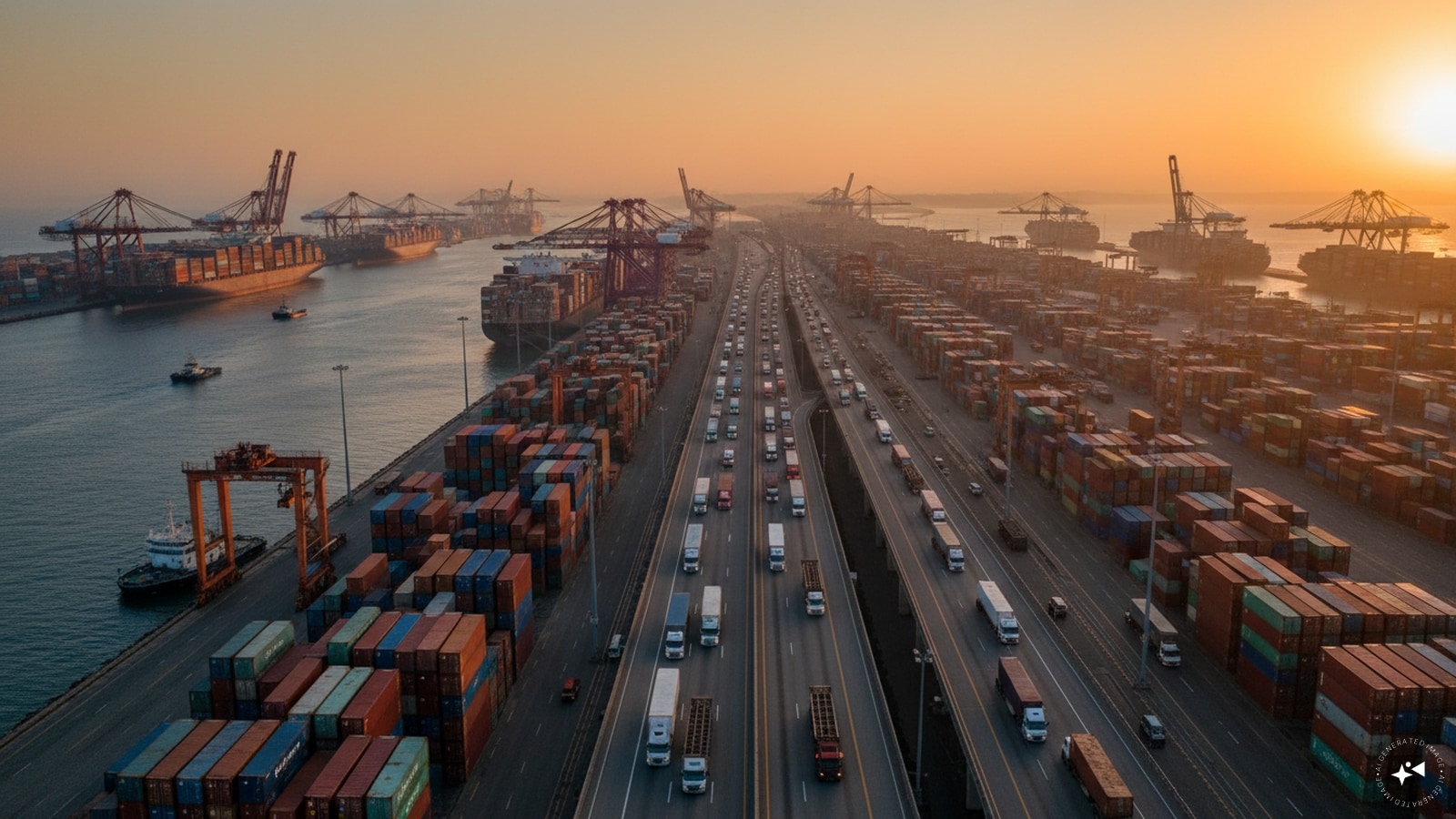
When diesel fuel crosses historic thresholds, nobody escapes the fallout. Most people focus on the price at the pump for standard gasoline, but diesel is the silent engine driving the entire retail economy.
With average diesel prices surging past $6 per gallon due to ongoing global refinery bottlenecks and supply shocks, the financial pressure is trickling down to everyday goods faster than most economists predicted. If you've been wondering why groceries, household goods, and shipping fees keep climbing, expensive fuel is the primary culprit. Meanwhile, you can read related events here: Comment Le Pétrole Du Golfe A Contourné Le Piège D Ormuz Pour Rebondir Plus Haut Qu Avant.
The Hidden Engine of Consumer Inflation
You don't need to drive a semi-truck to feel the pain of high diesel costs. Every single product on your local grocery store shelf or retail warehouse floor arrived there via diesel-powered transit.
Trucking fleets, cargo trains, and agricultural machinery all run on diesel. When fuel expenses spike, logistics providers have no choice but to pass those added operational costs along the supply chain. To explore the complete picture, check out the excellent report by CNBC.
- Transport companies add temporary fuel surcharges.
- Wholesalers adjust inventory pricing to maintain margins.
- Retailers bake higher shipping overhead into final consumer price tags.
Economists point out that this creates a cascading inflationary loop. Unlike gasoline spikes, which mostly affect daily commuters and vacationers, diesel spikes act as a broad tax on manufacturing and distribution.
Why This Squeeze Hits Different This Time
We have seen energy shocks before, but current market conditions make this crunch particularly brutal for household budgets. Consumers are already navigating sticky inflation across the services sector and high borrowing costs.
When freight costs jump overnight, the price of fresh produce, packaged foods, and clothing follows suit within days. It's a direct blow to household purchasing power.
Companies absorb what they can, but small businesses and independent truckers bear the brunt of the immediate cash flow crunch. When smaller logistics operators struggle to pay for fuel, capacity shrinks, driving shipping rates even higher.
What You Can Do About It
You can't control global oil refining capacity or geopolitical supply chains, but you can adjust your spending strategy to weather the storm.
- Buy local when possible: Shorter supply chains mean fewer diesel miles baked into the retail cost of goods, often saving you money on items like fresh produce and regional products.
- Consolidate trips: Plan your errands efficiently to cut down on personal fuel use, freeing up cash to offset rising everyday retail prices.
- Watch your grocery habits: Focus on shelf-stable staples and bulk buying where transportation costs make up a smaller percentage of the total unit price.
Energy markets will eventually rebalance, but the immediate pressure on consumer goods is here. Keep a close eye on how logistics costs shift over the coming weeks as the broader economy adapts to sustained high fuel expenses.
Stocks, Treasuries Get Relief Ahead of CPI, US Diesel Passes $6
This video provides an in-depth look at how record-breaking diesel prices and sticky inflation metrics are influencing broader financial markets and consumer costs.
http://googleusercontent.com/youtube_content/1