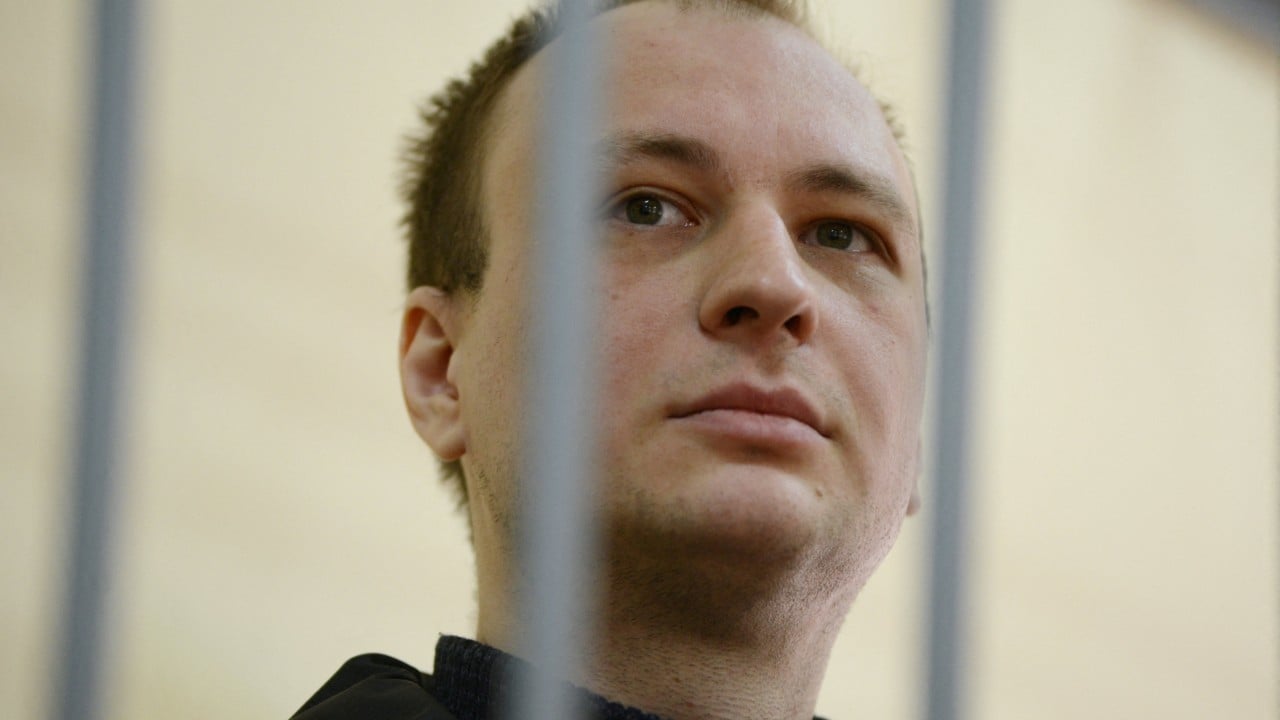
Robert Gilman is finally coming home. After spending more than four years locked inside a Russian prison system under disputed charges, the 32-year-old former U.S. Marine is on a flight back to the United States.
Russian President Vladimir Putin granted Gilman a pardon on humanitarian grounds, a move framed by officials as a goodwill gesture. Unlike many high-profile high-stakes releases in recent years, this one came with a twist: Moscow didn't ask for any Russian prisoners in exchange.
The Reality Behind the Arrest and Deteriorating Health
If you've followed this case, you know the narrative from January 2022 looks entirely different depending on who you ask. Gilman was an English teacher traveling by train in Voronezh, southwestern Russia, when local authorities arrested him. State media claimed he attacked a police officer while intoxicated. His family and advocates told a totally different story, maintaining that he fell ill during the trip and accidentally brushed against the officer, who wasn't even injured.
A Russian court initially handed him a four-and-a-half-year sentence. But things got much worse. In 2025, a court tacked on an extra 10 years for subsequent alleged incidents behind bars.
By June, the situation turned critical. Hospitalized in a civilian psychiatric ward, Gilman suffered from what advocates described as a dissociative stupor. He was barely communicating and depended on tube feeding. His family feared he wouldn't survive another month unless he got immediate medical attention back home.
Diplomacy Without a Trade
Most prisoner swaps involve complex, multi-nation chess matches trading high-level criminals or spies. This case broke that mold.
President Donald Trump announced the release after direct talks with Putin, thanking special envoys and administration officials who worked behind the scenes. Senior Russian diplomat Yuri Ushakov signaled to U.S. representatives that Putin agreed to the pardon purely as a humanitarian act and a gesture of goodwill.
Gilman's mother joined him on the state department plane alongside medical personnel to monitor his health mid-flight. Once they land in Washington, D.C., he will be transferred straight to Texas for long-overdue medical care and rehabilitation.
What This Means for Other Detainees
While families are celebrating Gilman's freedom, human rights groups point out that dozens of other Western citizens remain locked up in Russian facilities. U.S. officials made it clear that while this humanitarian pardon is a massive win for Gilman and his family, the push to bring home other wrongful detainees like Stephen Hubbard hasn't stopped.
Gilman's ordeal is over. He requested a great cheeseburger the moment he touches down, and the administration has promised to deliver.