The war in Yemen hasn't gone away; it's just entered a much more dangerous phase. If you've been watching the headlines, you know that Saudi fighter jets have roared back into action, launching heavy airstrikes against Houthi strongholds. The epicenter of this latest escalation? Taiz.
Let's look past the surface noise. Most mainstream reports gloss over why this specific flare-up matters, framing it as just another routine skirmish in a decade-old conflict. It's not. The renewed air campaign and the fierce ground battles across the southwestern highlands signal a complete breakdown of previous quiet periods, dragging regional players back into a high-stakes military chess match.
Why Taiz Matters Right Now
Taiz has always been the bleeding heart of Yemen's civil war. It's a heavily contested, mountainous province that acts as a vital gateway between the northern territories held by the Houthis and the southern ports controlled by the internationally recognized government and its allies.
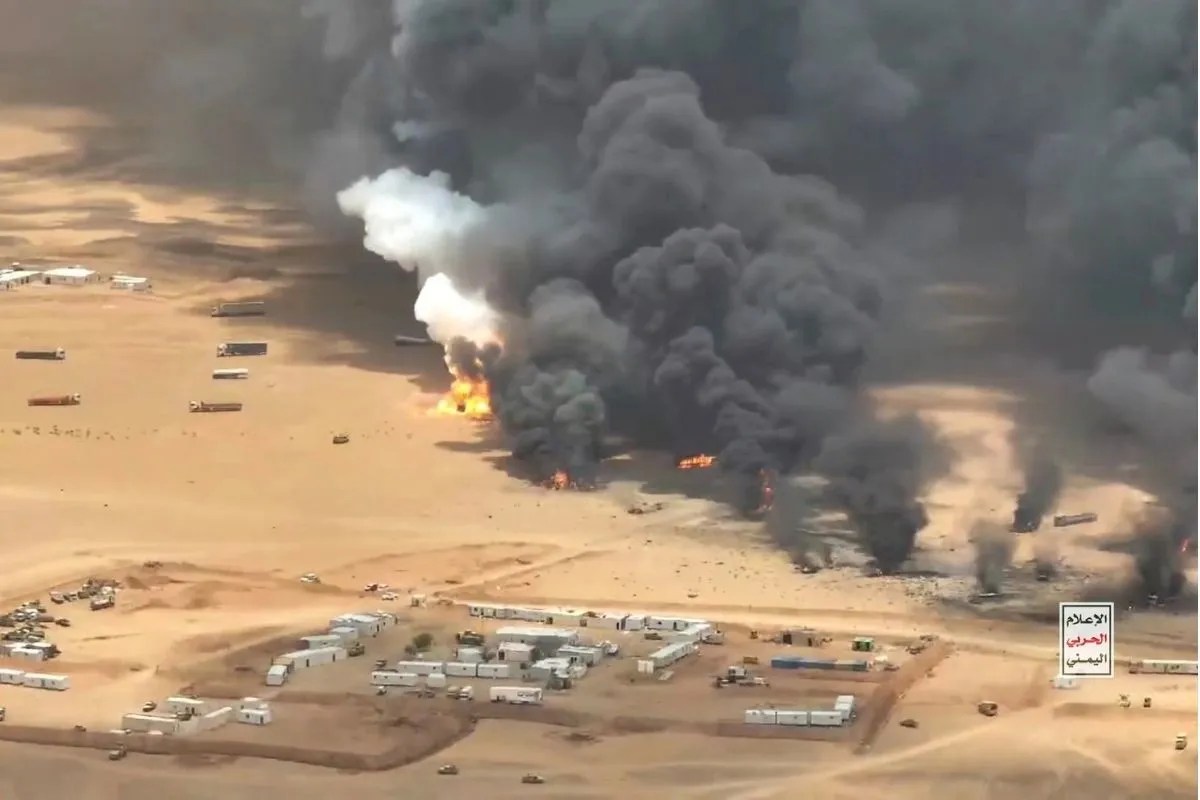
When Houthi forces launched fresh offensives to capture key highland positions and supply routes, the response from the Saudi-led coalition and government-aligned forces was swift and brutal. We're talking about dozens of airstrikes executed over tight windows, hitting military vehicles, weapons depots, and fortifications.
The tactical reality on the ground is grim:
- Ground battles are raging across multiple fronts, including Al-Maafer, Jabal Habashi, and Sala.
- Supply routes connecting Taiz to Aden face constant disruption and infiltration attempts.
- Civilian infrastructure and neighborhoods absorb the brunt of the crossfire, leading to mounting casualties and fresh waves of displacement.
The Regional Spillover Effect
You can't look at Taiz in isolation. The fighting inside Yemen is directly tied to broader cross-border escalations. Houthi positions haven't just absorbed airstrikes; the group has retaliated with ballistic missiles and drone attacks targeting infrastructure deep inside Saudi territory, including aviation hubs and energy sites.
This tit-for-tat dynamic shatters any illusion that the regional de-escalation efforts from recent years are holding. Air defense systems are working overtime across the region, civilian flights have faced severe disruptions, and foreign powers are scrambling to recalibrate their security postures.
When a Houthi-claimed projectile strikes near major international airports or energy facilities, the economic and political shockwaves hit global markets immediately. It forces neighboring Gulf states and international partners—including the United States—to rethink how they handle maritime security in the Red Sea and air defense for the kingdom.
What Comes Next in the Conflict
Don't expect a quick diplomatic fix. Both sides are doubling down on military solutions because trust is completely broken. The government-backed forces are attempting to secure strategic chokepoints and push back Houthi territorial gains, while the Houthis continue to test air defenses and leverage asymmetric warfare tactics.
For anyone tracking Middle Eastern geopolitics, the takeaway is clear. The conflict in Yemen remains one of the most volatile flashpoints on earth, capable of erupting into intensive warfare with very little warning. Keep your eyes on the shifting frontlines in Taiz and the southern coastal approaches—that's where the outcome of this entire campaign will be decided.