The illusion of a peaceful summer in the Middle East is officially over.
If you thought the June Islamabad ceasefire memorandum of understanding was going to hold, you haven't been paying attention. It took less than a month for the fragile truce between the United States and Iran to disintegrate. Now, we're looking at a terrifying escalation that could choke the global economy.
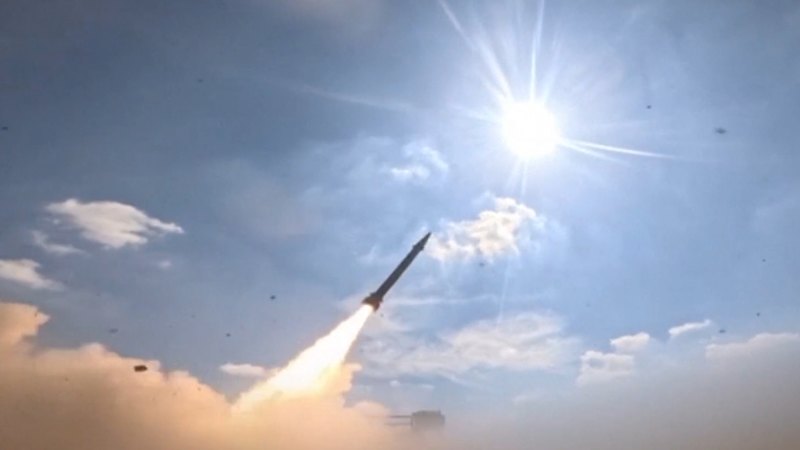
On Tuesday afternoon, the US military officially reinstated its maritime blockade on all Iranian ports, oil terminals, and coastal areas. Within hours, US Central Command (CENTCOM) launched its fourth consecutive night of intense airstrikes against Iranian coastal defenses, missile sites, and drone bases.
The message from Washington is loud and clear. But the economic and geopolitical fallout from this aggressive maneuver is going to hit closer to home than most people realize.
The Sudden Collapse of the Islamabad Agreement
Just weeks ago, diplomats were celebrating a 14-point memorandum of understanding (MOU) signed in Pakistan. The deal was supposed to keep the Strait of Hormuz open while both sides hammered out a permanent peace agreement to end the war that erupted in February.
It didn't work. The agreement had massive, gaping loopholes regarding who actually controlled the waters of the strait. Iran insisted on its historical right to regulate and even tax vessels passing through its territorial waters. The US viewed this as an illegal chokehold on international commerce.
Things boiled over during the NATO summit in Turkey, when President Donald Trump declared the ceasefire "over". When Iran targeted a commercial vessel on Saturday, the US responded with heavy airstrikes, setting off a chain reaction of retaliatory violence.
Now, the blockade is back.
The US Navy has positioned over 20 warships and hundreds of aircraft in the region to enforce the quarantine. CENTCOM's latest seven-hour wave of precision strikes targeted the Iranian port cities of Bandar Abbas and Sirik, hitting critical military infrastructure.
The Strategic Failure of Blockading the Strait
You can't blockade a country like Iran without causing immediate, severe collateral damage to the rest of the world.
The Strait of Hormuz is the world's most critical oil artery. Before this conflict started in February, roughly 150 ships crossed the strait daily. By July 9, even before the ceasefire completely crumbled, that number had plummeted to just 22 crossings.
Iran's Revolutionary Guards aren't backing down. They've already vowed to keep the strait closed to all traffic "until the US ends its aggression".
"Oil and gas exports from the region will either be available for everyone or for no one," the Guards warned in a state media broadcast.
They've backed up those threats. Over the last week, Iranian forces have targeted seven commercial ships, leaving nearly a dozen civilian crew members dead, injured, or missing. Just hours after the blockade went live, Kuwait reported confronting "hostile drone attacks" from Iran, while Bahrain's air defense sirens wailed in the night.
What Most Analysts Get Wrong About the Oil Crisis
The conventional wisdom is that a blockade will starve Iran of cash and force them to the negotiating table. Trump himself stated that Iran has "no choice" but to cut a deal as the strikes intensify.
But that underestimates Tehran's tolerance for pain and their capability for asymmetric warfare.
When you block Iranian oil exports, you don't just hurt Iran. You trigger a massive supply shock. Crude oil prices have already spiked over the last 48 hours. If the Strait of Hormuz remains entirely blocked, we could easily see oil prices surge past $150 a barrel, sparking a global inflationary wave that will hit consumers directly at the gas pump.
Furthermore, Trump's chaotic policy shifts aren't helping. After initially proposing a bizarre 20% toll on all ships passing through the strait—which shipping industry experts rightfully criticized as unworkable—the White House abruptly backed down. Instead, the administration is attempting to leverage trade and investment deals with Gulf allies to offset the costs.
It looks less like a coherent grand strategy and more like policy on the fly.
A Constitution in Crisis
There's another angle to this conflict that isn't getting enough attention, and it's happening inside Washington.
The administration sent formal notification to Congress on Monday that hostilities had officially resumed on July 7. By doing this, the White House is using the War Powers Act to bypass Congress entirely.
Under the law, the president has a 60-day window to wage military campaigns without congressional approval. Critics on both sides of the aisle are calling this a dangerous misinterpretation of executive power. We are essentially watching a president wage a major regional war via legal loopholes.
If Iran decides to escalate further by striking US bases in Iraq or launch wider attacks against Gulf partners, the US could find itself dragged into a full-scale, undeclared ground war before Congress even has a chance to vote on it.
What Happens Next
If you're trying to navigate the fallout of this rapidly deteriorating situation, here's what you need to watch over the coming days.
- Watch the Treasury Actions: Treasury Secretary Scott Bessent announced the freezing of $130 million in digital assets held by the Central Bank of Iran. Watch for further retaliatory cyberattacks from Iranian state-sponsored groups targeting Western financial institutions.
- Monitor Shipping Routes: With the northern route blocked, shipping companies are being urged to hug the southern coast of Oman. However, Iran has declared this a violation of previous agreements, meaning these ships remain prime targets for cruise missiles.
- Brace for Energy Volatility: If your business relies heavily on transport, logistics, or petroleum-based products, start hedging your energy costs immediately. This blockade won't be resolved in a matter of days.