A flesh-eating parasite eradicated from the United States over 50 years ago has made a quiet, dangerous return. The New World screwworm fly is back, and it isn't just a headache for cattle ranchers. Decades ago, aggressive eradication campaigns pushed this pest down into Central America, but recent climate shifts and animal transport have pulled it straight back up through Mexico and into the American Southwest.
Government agricultural departments are sweating over the $113 billion livestock market, but if you own a dog or cat in Texas or New Mexico, you need to understand that your backyard is now on the front line. This isn't your standard annoying housefly. Discover more on a related subject: this related article.
Most blowfly larvae only eat dead, decaying tissue. The New World screwworm fly operates with terrifying difference. Its larvae eat living flesh, tunneling deeply into healthy muscle and organs while the animal is still alive. A simple tick bite or a tiny scratch from a thorn is all it takes for a female fly to change your pet's life.
The Reality Behind the Southwest Detections
The United States Department of Agriculture confirmed that the parasite reemerged in June 2026. Since then, over 30 cases have locked down regions across southern Texas and southeastern New Mexico. While the bulk of these cases appeared in cattle calves, two confirmed cases involved domestic dogs. Further reporting by World Health Organization highlights similar views on the subject.
Dr. Guilherme Verocai from the Texas A&M College of Veterinary Medicine notes that these flies look distinct. They sport a striking metallic green or blue body with bright red eyes. They thrive in warm temperatures between 65°F and 91°F. That means most of the southern United States provides a perfect ecosystem for them to multiply.
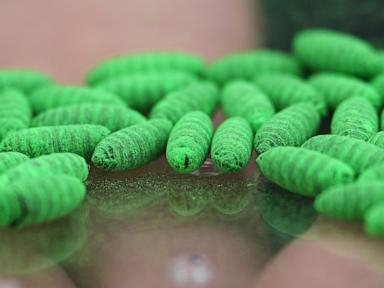
The life cycle moves with brutal speed. A single female fly lays up to 300 eggs along the edges of a minor skin tear or near moist body openings like the nose, ears, and mouth. Within 12 hours, those eggs hatch. The larvae immediately begin burrowing downward into the healthy tissue, using a screw-like shape to anchor themselves.
Signs Your Pet is Hosting a Screwworm Infestation
You won't always see the wound immediately, especially on long-haired breeds. The infestation happens from the inside out. You have to rely on behavioral shifts and olfactory red flags.
- Sudden Hyper-Fixation: If your dog is suddenly biting, licking, or chewing frantically at a specific spot on their body, don't just brush it off as an allergy flare-up.
- The Smell of Decay: Screwworm wounds produce a uniquely foul, pungent odor. It smells like rotting meat mixed with copper. If a scratch on your dog smells bad, it demands an immediate veterinary visit.
- Severe Restlessness and Anxiety: The burrowing action of these larvae causes intense, agonizing pain. Animals hosting them will often pace, whine, refuse to sit still, or suddenly hide in dark corners.
- Visible Movement: If you part the fur and look closely at the wound, you won't see typical surface maggots. You'll see a deep pocket leaking bloody fluid or pus, with visible larval movement deep inside the living muscle tissue.
Left untreated, the sheer pain can trigger fatal shock in smaller pets. If the larvae migrate into vital internal organs or introduce systemic secondary bacterial infections, the outcome is almost always fatal.
The Modern Preventative Toolkit
The good news is that we have better chemical defenses than we did in the 1960s. The Food and Drug Administration has issued Emergency Use Authorizations for specific medications to combat this sudden migration.
Regular, prescription-strength flea and tick preventatives are your absolute best shield. Isoxazoline-based medications like NexGard, Simparica, and Credelio work wonders here. When you keep your pet on a strict monthly schedule, the chemical composition in their blood and tissue kills the larval stages of these flies the moment they attempt to feed.
Medication Category    | Direct Action on Screwworms
-----------------------------------------------------------
Isoxazolines           | Kills the larvae upon tissue ingestion
Permethrins            | Acts as a topical fly repellent
Topical products containing permethrins also help by repelling the adult flies before they even get a chance to land and deposit eggs. Check with your veterinarian to ensure your current preventative routine offers adequate protection against these specific pests.
What to Do If You Suspect an Infestation
If you spot a wound that looks deep, smells terrible, or shows signs of larvae, do not try to fix this at home.
Do not squeeze the wound or try to yank the larvae out with tweezers. Screwworm larvae have backward-facing ridges of dark spines that lock them into living tissue. Pulling them forcefully can tear the larvae apart inside the wound, leaving fragments that trigger massive infections and toxic shock.
Never pour rubbing alcohol or hydrogen peroxide into a suspected screwworm wound. These harsh chemicals destroy the remaining healthy tissue cells, giving the larvae an easier pathway to burrow deeper into the body.
Get to an emergency vet immediately. They will sedate the animal, safely extract the parasites, flush the cavity with sterile saline, and administer heavy doses of targeted antibiotics. The FDA recently authorized generic over-the-counter nitenpyram tablets to assist in rapid larval elimination under professional guidance.
Active Protection Steps
Government agencies are fighting back by releasing hundreds of millions of sterile male flies to crash the wild population. While the USDA works on constructing a massive $750 million fly factory in Texas to stabilize the border, the immediate safety of your pet rests entirely on your daily routine.
Inspect your pets daily after they spend time outdoors, focusing heavily on the underbelly, ears, and paws. Clean and protect even the smallest scratches or tick bites immediately with pet-safe antiseptic. If your dog undergoes surgery or a routine neuter, keep them strictly indoors until the incision seals completely.
The screwworm thrives on neglect. Consistent inspections and uninterrupted monthly parasite preventatives will completely eliminate the threat to your home.