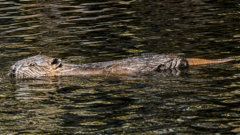
For four centuries, the rivers and lochs of Glen Affric ran without their most famous natural architect. That era is officially over. Conservationists have confirmed the arrival of the first wild-born beaver kits in a Scottish Highland glen in 400 years, marking a massive turning point for local rewilding efforts.
Eleven beavers were previously released into this remote northern ecosystem. Now, the detection of at least two newborn kits proves that these animals aren't just surviving in their new home—they are breeding and building a permanent future.
What the Return of Wild Beavers Means for the Highlands
If you think beavers are just cute aquatic rodents, you are missing the bigger ecological picture. These animals are ecosystem engineers. When they construct dams and dig canals, they do something modern engineering struggles to replicate affordably: they restore water tables naturally.
In Glen Affric, these newly born kits represent more than a cute headline. They signal that the initial group of 11 adults successfully integrated, found proper food sources, and located safe places to raise young.
- Water retention improves during dry summer months.
- Wetland habitats expand rapidly, bringing back amphibians and insects.
- Natural flood management kicks in upstream.
Why Scotland Lost Its Beavers in the First Place
History hasn't been kind to Castor fiber, the Eurasian beaver. Hunted aggressively for centuries for their pelts, meat, and castoreum—a secretion used in perfumes and medicine—beavers were completely wiped out across the British Isles by the sixteenth century.
People hunted them to extinction because humans viewed them as competitors for land and resources. Reversing that historical mistake isn't simple. It requires careful monitoring, community engagement, and a lot of patience. Seeing kits born in the wild means the habitat is robust enough to support populations without human intervention.
The Real Challenges Ahead for Conservationists
Not everyone is popping champagne bottles over returning wildlife. Farmers and landowners often worry about rising water levels affecting adjacent grazing land, blocked culverts, and tree damage.
Conservation groups working in the Highlands have had to balance ecological ambition with practical land management. Mitigation strategies—like installing flow devices on dams and protecting valued trees with wire mesh—are essential. If local communities feel ignored, support for rewilding collapses fast.
The birth of these kits proves the biology works. The real test now is whether human tolerance can match the adaptability of nature.
Monitor local conservation updates if you want to track how Glen Affric evolves over the coming years, or support verified habitat trusts working directly with Scottish landowners to manage wildlife integration safely.