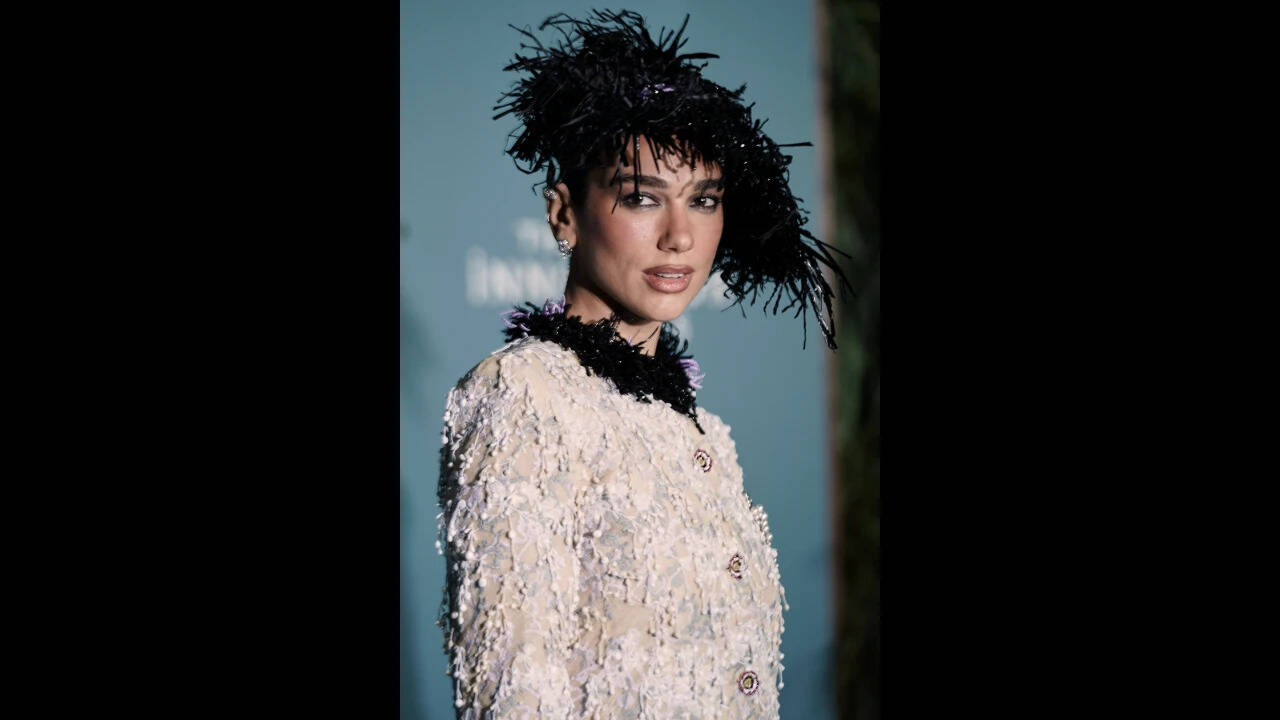
Nobody expected Robert Pattinson to become the next 007. For months, the rumor mill ground through the usual roster of predictable British television stars and fresh faces, keeping the focus entirely away from Hollywood’s most dedicated shape-shifter. Then the official announcement dropped, and the internet collectively lost its mind. Critics and fans alike immediately reached for their favorite labels, with European press outlets dubbing him the ultimate "weirdo specialist" stepping into the most rigid tuxedo in cinema history.
If you look at his career trajectory, calling him a weirdo specialist isn't even an insult. It is an accurate description of a deliberate artistic evolution. After breaking out as a teen heartthrob in the Twilight franchise and Harry Potter, Pattinson spent the better part of a decade systematically destroying that image. He retreated into the gritty trenches of independent cinema. He worked with auteurs who cared nothing for mainstream box-office formulas. He played greasy bank robbers, deranged lighthouse keepers, and tormented billionaires in dark cowls.
That background makes his casting as James Bond the smartest gamble Amazon and the franchise powerbrokers could have made.
Breaking the Mold of the Traditional Spy
For decades, the casting formula for James Bond relied on finding a handsome, suave, relatively unproven British actor who could wear a Tom Ford suit and look dangerous without scaring the matinees. Daniel Craig broke that mold slightly by bringing a bruised, brawling physicality to the role, but he was still chosen to fit a specific archetype.
Pattinson brings something entirely different. He carries a natural, cool, sensual menace that Peter Bradshaw noted makes him an exquisite choice for the part. He doesn't just play cool; he plays intense, unpredictable, and slightly unhinged. When you watch him navigate complex, shadowy roles in films like Tenet or his darker dramatic outings, you see an actor who understands how to hold a frame without speaking a single word. That internal tension is exactly what makes a great spy.
The timing couldn't be more interesting either. This upcoming iteration, frequently tracked as Bond 26, marks the first time in history that long-term producer Barbara Broccoli has stepped back from creative control, handing the reins over following Amazon's acquisition of MGM. Bringing in an established, prestige-adjacent star like Pattinson signals a sharp pivot. They aren't trying to find a blank slate to mold into a corporate brand. They are hiring a heavy-hitting actor who can command an auteur-driven vision, especially with Denis Villeneuve stepping in to direct.
What the Press Reaction Misses
Most commentary focuses entirely on his indie pedigree as if it disqualifies him from blockbuster heroism. That argument ignores recent history. Pattinson already proved he can anchor massive commercial spectacles while maintaining his artistic credibility. He starred in Christopher Nolan's massive mind-bender Tenet, played a pivotal role in Nolan's The Odyssey, and proved his blockbuster viability by pulling on the cape for Matt Reeves' The Batman.
He knows how to operate inside the studio machine without losing his edge. He demands depth from characters that are often written as flat action figures. If you think James Bond is just about ordering martinis and shooting gadgets, you haven't been paying attention to where spy thrillers need to go to stay relevant. Modern audiences don't want a cardboard cutout of patriotic charm. They want a character study of a damaged man working for a broken system. Pattinson plays damaged brilliantly.
The Three-Film Commitment and What Comes Next
Reports surrounding his deal indicate a commitment to three films, a manageable window that allows him to anchor the franchise without getting trapped in the endless, punishing cycle that wore down previous stars. It gives the creative team a clear runway to build a distinct narrative arc across a trilogy, likely leaning into the darker, grittier tonal shifts that Villeneuve is known for masterminding.
Critics who call him an unexpected choice are right. But safe choices kill franchises. By handing the Walther PPK to an actor who cut his teeth on psychological thrillers and arthouse experiments, the franchise just made itself dangerous again.
Stop worrying about whether he fits the old mold. The old mold was broken years ago. This is how you keep an eighty-year-old spy alive.