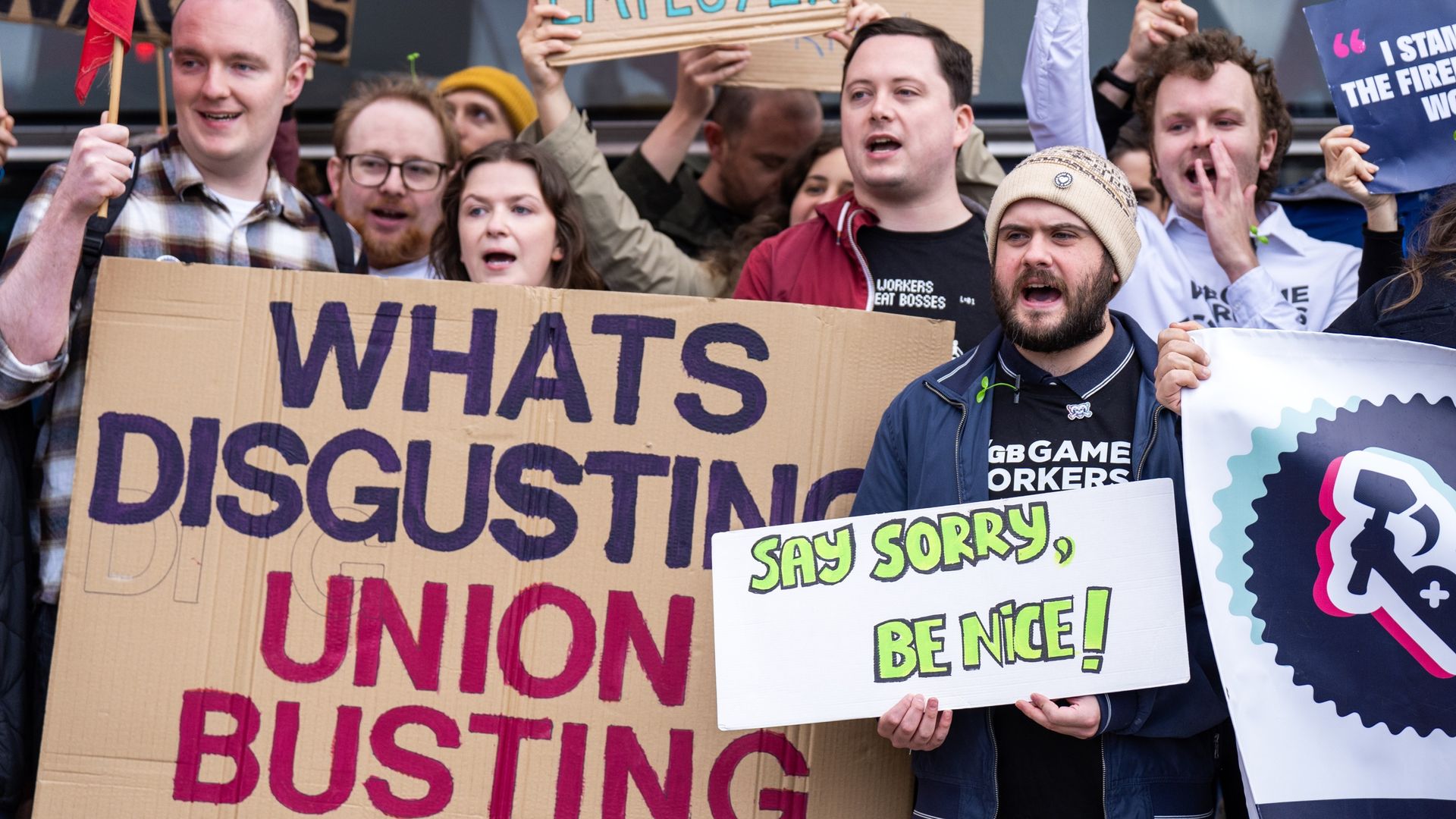
When a video game giant fires dozens of workers over internal chat logs, everybody pays attention. Right now, an employment tribunal in Glasgow is dragging out the messy reality of corporate security, trade unions, and private messaging apps.
At the center of it all is a stark accusation from Rockstar Games. Legal counsel for the studio recently told the tribunal that pasting corporate emails into a private Discord channel was an "egregious breach" of company policy and gross misconduct.
If you've been following the clash between Rockstar North and the Independent Workers' Union of Great Britain (IWGB), you know the stakes are high. But stripping away the legal posturing reveals a fascinating look at how tech and gaming companies view internal data protection—and why standard chat apps are becoming corporate minefields.
Inside the Discord Server Leak
The tribunal proceedings in front of Judge Lucy Wiseman focus on the dismissal of roughly 34 employees across the UK and Canada back in October 2025. Among those giving evidence is Dayne Oram, a former employee who posted two internal emails onto a Discord server.
These emails came straight from Rob Spampinato, Rockstar's vice president of HR, outlining guidelines for company Slack channels. Oram dropped them into a Discord group boasting around 350 members. The catch? That pool included about ten people who no longer worked at the company.
Rockstar's legal team didn't hold back. Thomas Cordrey, representing the studio, argued that managers would have "gone ballistic" if they knew internal correspondence was being moved to external servers. According to company rules, internal information needs management sign-off to leave approved systems.
Oram defended the move by pointing out that Spampinato’s emails had already gone out to all staff. They argued that sharing the text was necessary for union activities and organizing. Oram also claimed a "culture of fear" at Rockstar made workers hyper-cautious, creating a friction point between information policies and labor rights.
The Real Threat of Phishing and Data Security
You might wonder why a company cares so deeply about HR guidelines landing on Discord. Rockstar's argument goes way beyond basic corporate paranoia.
Cordrey reminded the tribunal of the massive security breach Rockstar suffered back in 2022, when hackers leaked early footage of Grand Theft Auto VI. In the video game industry, leaks cost millions and wreck years of tightly controlled marketing rollouts.
More importantly, Rockstar pointed out a severe cybersecurity vector. If a hacker wants to launch a targeted phishing campaign against developers, having authentic executive emails showing exact communication styles is "gold dust". It makes impersonating HR or senior leadership infinitely easier.
When sensitive internal letters circulate in a Discord group with loose security vetting, the surface area for social engineering attacks grows exponentially. From a risk-management perspective, companies see zero difference between leaking source code and leaking executive memos. Both break the chain of trust.
The Collision Between Union Rights and NDAs
This tribunal highlights a growing headache for modern tech companies. Remote and hybrid workforces rely heavily on third-party chat platforms like Discord, Slack, and Telegram to stay connected. But those same apps blur the line between personal socializing and professional compliance.
Employees want space to discuss working conditions, compensation, and union representation without corporate surveillance. Employers want airtight NDAs that stop internal memos from leaking into the wild—especially when parent companies like Take-Two Interactive have share prices sensitive to public perception.
The claimants in this case are pushing the angle that workers were targeted for union involvement rather than a simple policy infraction. Rockstar maintains a rigid stance: the terminations were strictly about gross misconduct regarding confidential information.
What This Means for Remote Teams
If you work in a tech-adjacent field, this case serves as a loud wake-up call. You can't assume that a "private" Discord server or encrypted chat group shields you from company policy.
Management teams are watching dataflows tighter than ever. If your internal communications playbook doesn't clearly define where company data can live, rewrite it today. Make sure your team understands that moving text from an approved corporate portal to an external community server can be grounds for immediate termination, regardless of intent.
The tribunal is still rolling forward. No matter how the ruling shakes out, the era of casual internal data sharing on consumer chat apps is officially dead.