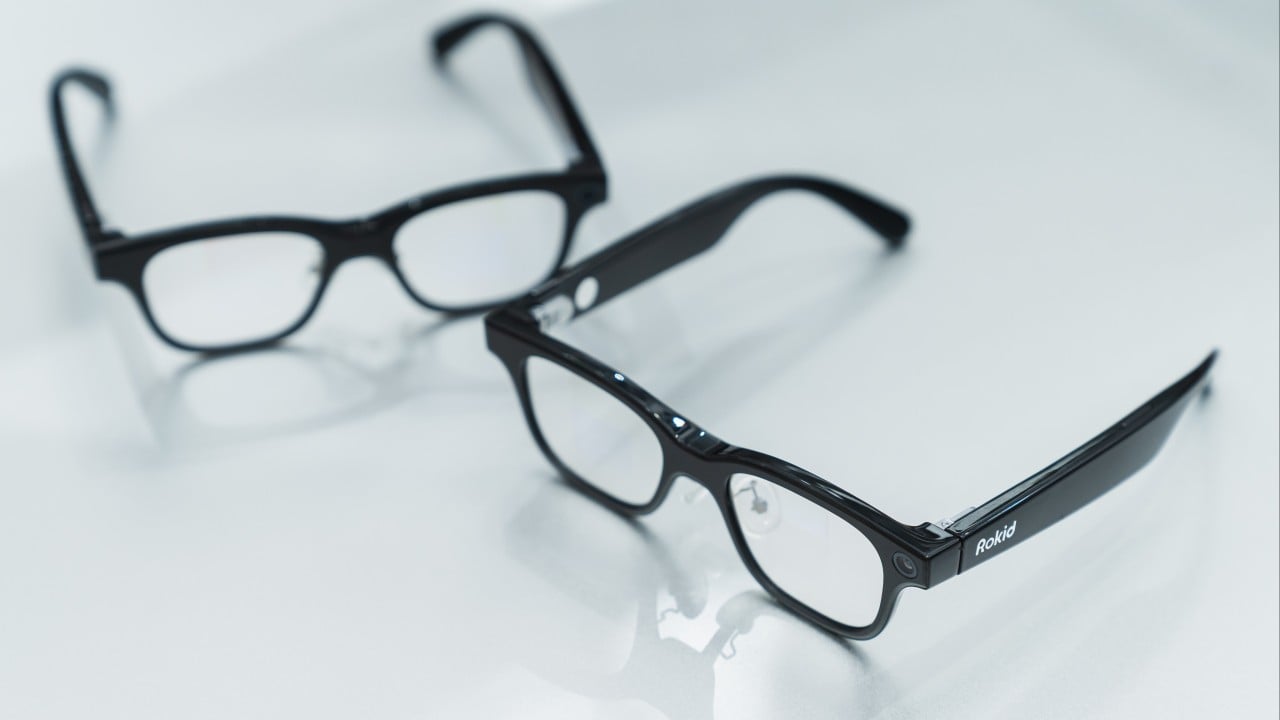
You walk into a high-end tech shop expecting the usual routine. A cheerful associate rushes over, asks if you need help, and hovers while you awkwardly test a piece of hardware. Rokid just completely threw out that playbook.
At their brand-new flagship store in Harbour City, Hong Kong, you won't find a single aggressive salesperson trying to hit monthly quotas. Instead, the company has launched what it calls a "no man's land" self-service retail experience. Shoppers step past glowing monitor screens into distinct zones designed for solo exploration.
If you've ever felt annoyed by pushy retail tactics while trying out expensive gadgets, this shift makes total sense. Rokid didn't just build another storefront. They built a testing ground for how we will actually buy wearable tech moving forward.
The Strategy Behind The Self Service Setup
Shopping for augmented reality and AI glasses is weird. You are putting a computer directly onto your face, adjusting displays, and testing voice controls. Having a stranger stare at you while you mumble voice prompts into empty air is awkward.
Rokid solved this friction by eliminating human clerks from the initial discovery phase. The Ocean Centre location features eight distinct experience zones. You pick up the hardware yourself, slide the frames onto your face, and navigate the dual-chip architecture on your own terms.
Counterpoint Research ranked Rokid number one worldwide in the AR and AI glasses segment by shipment share in the first half of 2026. When you lead the market, you can afford to experiment with retail formats that would terrify traditional electronics chains. Instead of forcing specs down your throat via a slide deck, they let the hardware do the talking.
Why Wearables Need A Different Kind Of Store
Traditional electronics retail was built for smartphones and laptops. You look at a screen on a table, tap it a few times, and decide if you want to buy. Wearable spatial computing requires a totally different sensory check.
You need to know how heavy the frames feel on your nose bridge. You want to test how the multilingual voice interaction handles background mall noise. You have to see if the display optics actually align with your field of vision without making you dizzy.
By building a self-service environment, Rokid removes performance anxiety. Nobody cares if you test the AI shortcuts ten times or take five minutes to adjust the fit. You are free to figure out if spatial glasses actually fit your daily workflow before you hand over your credit card.
Building An Ecosystem Behind The Hardware
Hardware is only half the battle in the current consumer tech race. Rokid launched its global AIUI Studio Development Environment right around the same time as the Hong Kong opening. That timing isn't accidental.
Developers need a sandbox to build spatial applications quickly. Consumers need a place to try those applications without friction. By connecting a self-service retail footprint with open developer ecosystems, Rokid is trying to capture both sides of the market simultaneously.
Most hardware startups fail because they build great products and terrible distribution networks. They rely on third-party shelves where their smart glasses sit right next to phone chargers and Bluetooth speakers, completely losing their context. Giving customers a dedicated, unstaffed playground puts the product front and center.
What Retailers Can Learn From This Shift
Consumer patience for annoying sales pitches is at an all-time low. People do their research online before they ever step foot in a physical mall. By the time someone walks into a flagship store in Tsim Sha Tsui, they already know the core specs. They don't need a sales pitch. They need physical proof.
Other hardware makers should pay close attention to this rollout. If self-service zones drive higher conversion rates for complex wearables, expect to see traditional consumer electronics stores forced to overhaul their floor plans.
Stop treating smart glasses like standard consumer electronics. Give buyers the space to test, fail, and figure out the technology on their own. Rokid just proved that sometimes the best sales strategy is getting out of the way entirely.