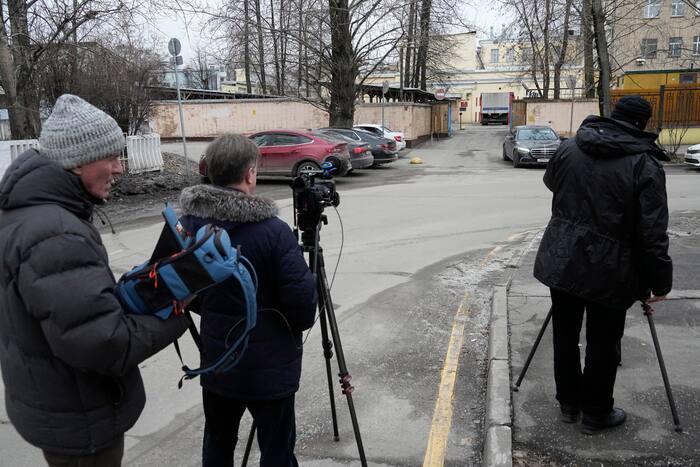
Geopolitical chess pieces rarely stay on their squares when relations hit rock bottom. When Russia's Federal Security Service (FSB) detained Yuki Imai, a reporter for the Hokkaido Shimbun newspaper, on Sakhalin Island, it wasn't just another routine diplomatic spat. It signaled a dangerous escalation where the free press becomes collateral damage in frozen territorial conflicts and modern warfare fallout.
Tokyo didn't waste time responding. Japanese officials summoned Russian Ambassador Nikolay Nozdrev to issue a sharp protest, demanding consular access, humane treatment, and transparent explanations. Yet, behind the official diplomatic telegrams lies a much deeper crisis that has been brewing for decades.
The Anatomy of an Arrest on Sakhalin Island
The FSB claims Imai was gathering classified information regarding Russian defense capabilities on behalf of Japanese intelligence agencies. He was grabbed on Sakhalin Island just as he prepared to board a flight out of the country. Russian Foreign Ministry spokesperson Maria Zakharova wasted no time turning the arrest into a broader political weapon, accusing Tokyo of using journalists as conduits for espionage and citing Japan's recent military buildup and support for Ukraine as direct security threats to Moscow.
Independent press watchdogs like the Committee to Protect Journalists instantly condemned the move. Fiona O'Brien, CPJ's director for Europe and Central Asia, pointed out the obvious truth that reporters must never be leveraged as bargaining chips in broader geopolitical showdowns. At least thirty journalists sit behind bars in Russia right now tied directly to their reporting, highlighting an increasingly hostile climate for independent media operating inside the country.
Why This Specific Detention Matters Right Now
You cannot separate Imai's arrest from the radioactive state of bilateral ties between Tokyo and Moscow. Tensions have boiled over steadily. In August, Russian President Vladimir Putin visited Iturup, one of the four disputed Kuril Islands—territory controlled by Moscow but claimed by Japan, which Tokyo refers to as the Northern Territory. Japanese Prime Minister Sanae Takaichi blasted the visit, recognizing it as a direct blow to an already fractured relationship.
Adding fuel to the fire, Tokyo rolled out fresh economic sanctions against Moscow over the ongoing war in Ukraine. Meanwhile, regional Chinese commercial and government delegations recently toured Iturup, prompting fresh protests from Japan's Foreign Ministry for what they deemed unacceptable territorial intrusions.
Because the Soviet Union seized the Kuril Islands in the final days of World War II, Tokyo and Moscow have never signed a formal peace treaty to end World War II hostilities. Every time tensions spike over Ukraine, regional trade, or military positioning, reporters on the ground bear the immediate brunt of the political freeze.
What Happens Next for Japanese Reporting in Russia
Chief Cabinet Secretary Minoru Kihara admitted that Tokyo remains completely in the dark regarding Imai's health and safety because Moscow has stonewalled all requests for consular contact. While Kihara emphasized that Japan and Russia are neighbors who still need communication channels to manage national interests, the reality on the ground looks bleak.
When intelligence agencies start treating local correspondents as enemy spies, foreign reporting effectively dies. Journalists working on valid journalist visas in hostile states now face unprecedented risks of arbitrary detention.
The path forward requires immense diplomatic pressure, unyielding demands for consular access, and zero tolerance for weaponizing the press. If Moscow continues using journalists as political shields, diplomatic channels between Tokyo and the Kremlin will shrink into nonexistence, leaving both nations trapped in a permanent cycle of retaliation.