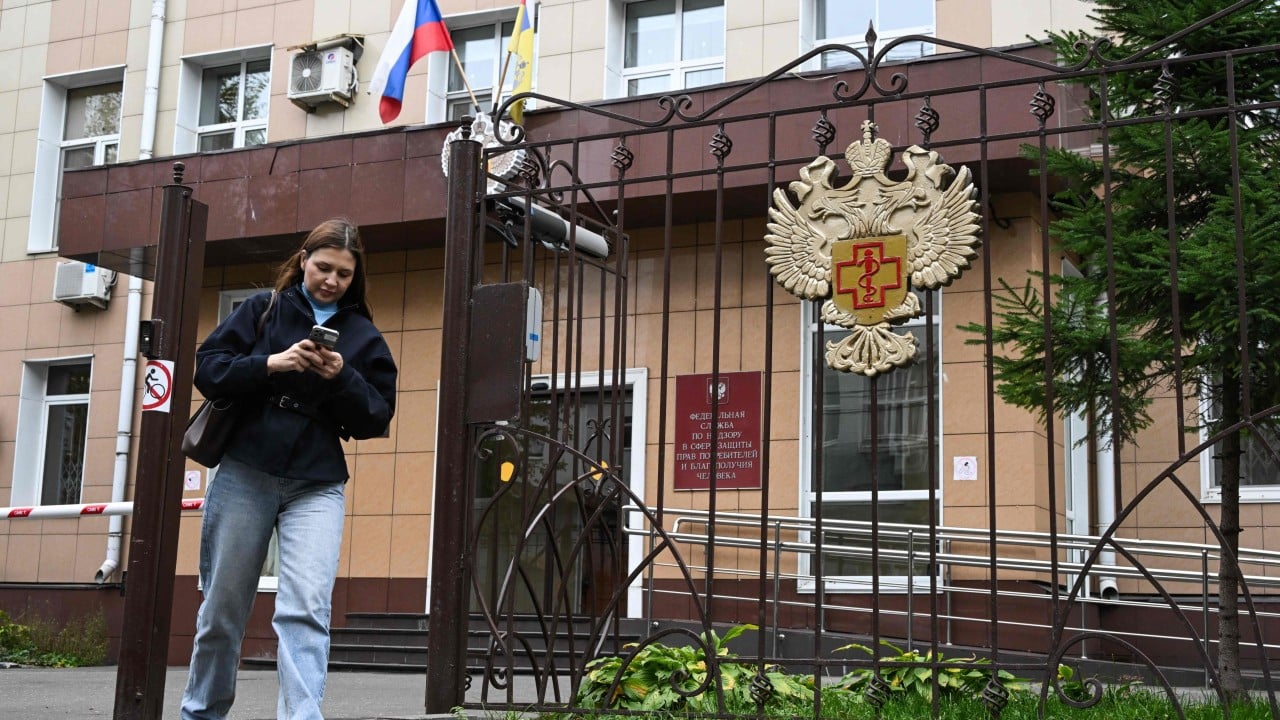
Panic spreads fast when a word like "plague" enters the news cycle. Russia recently shut down quarantine measures and wound down emergency protocols following the sudden death of an anti-plague institute worker in the Irkutsk region of Siberia. Moscow insists there is zero risk of an epidemic, pointing to thousands of negative tests among close contacts. But across borders, especially in China and within global health networks, skepticism remains loud.
Why are people still anxious? Because when high-containment laboratories experience worker fatalities, trust doesn't automatically return just because officials say the coast is clear.
What Happened in Siberia
The alarm bells started ringing when an employee at a plague research facility in Shelekhov, near Irkutsk, died under mysterious circumstances. Local authorities threw a swift quarantine net around the hospital and surrounding areas. Social media platforms immediately lit up with rumors of a potential outbreak of pneumonic plague.
Russian health watchdog Rospotrebnadzor moved quickly to calm the public. Officials stated that post-mortem evaluations and follow-up lab panels on dozens of tracked contacts showed no traces of dangerous infectious pathogens. Nearly 5,000 tests later, regional quarantine measures were officially lifted. Kremlin spokesman Dmitry Peskov urged the public to rely on official channels instead of internet speculation.
Case closed? Not quite.
Why China and the Global Community Are Watching Closely
Geography dictates concern. Russia shares a massive border with China, making any biological security scare an immediate regional priority. Neighbors don't have the luxury of shrugging off high-consequence pathogen incidents. When a lab worker dies near the Siberian transit corridors, public health authorities in Beijing and neighboring countries pay attention.
Transparency remains the sticking point. The World Health Organization has noted that while Russian authorities shared baseline notes, external verification details remain sparse. Independent epidemiologists point out that declaring an incident over without a fully transparent, internationally vetted post-mortem report leaves room for doubt.
You can see why people are nervous. High-containment laboratories handle some of the deadliest agents known to science. When safety protocols fail—or even appear to fail—the margin for error is zero.
The Broader Lesson About Laboratory Safety
Every scare like this forces a hard look at institutional biosecurity. Handling dangerous pathogens requires strict adherence to protocols, redundant safety layers, and absolute openness when accidents happen.
- Verify everything: Official assurances are helpful, but independent data sharing builds long-term confidence.
- Tighten chain of custody: Lab equipment, personal protective gear, and waste handling must face constant auditing.
- Communicate early: Silence breeds conspiracy theories faster than any virus can mutate.
Russia's rapid lifting of restrictions aims to project normalcy. But true biosecurity isn't about closing an investigation quickly. It's about ensuring mistakes never happen twice. Until full details are laid bare for the global scientific community, caution isn't panic. It's common sense.