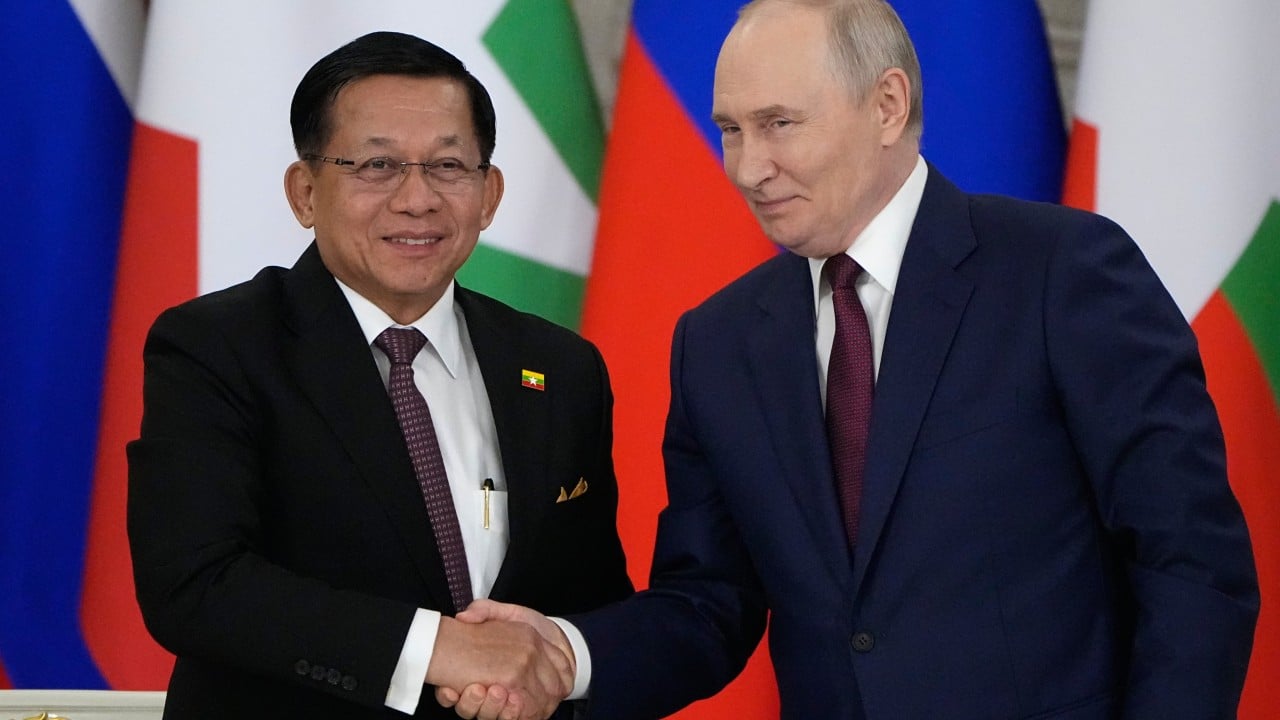
Vladimir Putin and Myanmar’s leader, Min Aung Hlaing, just met in Moscow. You might think this is just another diplomatic photo op, but there’s a lot more moving under the surface. They aren't just shaking hands. They’re building a blueprint to bypass Western financial walls.
The meeting this week at the Kremlin wasn't a standard state visit. It was a calculated signal. As both nations face intense pressure from Western sanctions, they’ve turned to each other to keep their economies moving. They even signed a formal declaration specifically aimed at countering those sanctions. That isn't just talk. It’s a survival mechanism. You might also find this related coverage insightful: Why The India Nepal Military Connection Is More Than Just Border Talk.
The Reality of the Energy Pivot
Energy is the heartbeat of this alliance. Myanmar has been dealing with chronic fuel shortages and aging infrastructure for years. They need diesel, refined petroleum, and technical expertise to keep the lights on and the military apparatus running. Russia, sitting on massive energy reserves and looking for new Asian markets to replace its lost European customers, is a natural, if desperate, partner.
They’re talking about big stuff. We're talking oil refineries, liquefied natural gas (LNG) supplies, and even civil nuclear energy. While a massive commercial nuclear plant isn't running in Myanmar yet, the discussions between Rosatom and local officials are getting serious. They’re looking at small modular reactors and training programs. This is about building long-term dependency and technical integration, not just buying a few barrels of oil. As extensively documented in recent articles by The Washington Post, the effects are notable.
Beyond the Headlines
If you look past the official statements, you see the real strategy. It’s about creating an alternative financial and logistical flow. When Western banks won't touch a transaction, these two find another way. They are testing bilateral currency arrangements and specialized payment structures that don't rely on the SWIFT system or Western-controlled insurance channels.
It's risky. Any company getting involved in these "projects" is walking a tightrope. Secondary sanctions are a real threat. That’s why you don’t see massive private investment here. Instead, you see state-to-state agreements. The Russian state bank system is effectively underwriting the risk because private capital is too scared to touch it.
Why This Matters in 2026
You’re probably wondering why this matters if you aren't in the energy sector. It represents a larger shift. The world is splitting into two distinct economic spheres. One follows the traditional Western-led rules, and the other is creating its own ecosystem, fueled by nations that have essentially been kicked out of the global mainstream.
Russia isn't just selling fuel to Myanmar. They’re providing training to soldiers, aerospace cooperation, and even planning to help train Myanmar’s first cosmonaut. They are selling a "sovereignty" package that says: you don’t need the West to run a modern state.
Practical Implications
If you're tracking these developments, keep your eyes on the Dawei Special Economic Zone. That’s where the real action is. It’s a strategic location for a port and refinery. If they actually break ground there, it changes the logistics of fuel distribution in Southeast Asia.
Don't expect overnight results. These projects move at the speed of bureaucracy, which is to say, slowly. The real "win" for Putin and Hlaing isn't a completed refinery by next year. It’s the constant, high-level engagement that keeps the alliance visible. It’s about showing the world they have options.
The next time you see news about "deepening ties," remember that it’s almost always about two things: money and security. They're trading energy for legitimacy, and it’s a gamble that both sides believe they can win. Watch the shipping routes. Watch the specialized bank transfers. That’s where the truth of this partnership lives.
Russia and Myanmar Forge New Alliances
This video provides additional context on how the two nations are navigating international pressure to maintain their growing strategic and military cooperation.