The Court of Arbitration for Sport just threw a massive wrench into the global hockey calendar. By overturning the International Ice Hockey Federation's ban on Russian national teams, the court triggered an immediate scramble across the hockey world. For Hockey Canada, the timing couldn't be messier.
With the World Junior Hockey Championship kicking off in less than two months across Edmonton and Red Deer, officials are left scrambling to figure out what a sudden Russian reinstatement actually looks like in practice. Schedules are locked, tickets are sold, and logistics are already moving at full speed. Adding another team into the mix at the eleventh hour isn't just a minor administrative hurdle. It is a logistical nightmare.
The Logistics Crisis Facing the World Juniors
You can't just slide a powerhouse hockey program back into an elite international tournament without breaking a sweat. The World Juniors start on December 26. Teams have booked accommodations, practice ice, charter flights, and security details months in advance.
The CAS panel ruled that the IIHF's original safety and security justifications for keeping Russian teams out didn't hold up under scrutiny. Fair enough from a legal standpoint, but it leaves tournament organizers holding the bag. How do you re-draw group stages, format television broadcast windows, and adjust security protocols when the tournament is right around the corner?
Hockey Canada has stated they are in direct contact with the IIHF to sort out the implications, but answers aren't coming fast enough. When you look at the sheer complexity of hosting a global showcase like the World Juniors, a sudden format change creates ripple effects that impact everyone from hotel operators to local volunteers.
Why This Ruling Stunned the Sport
The sports world has spent years operating under a specific status quo. Following the 2022 invasion of Ukraine, international sports bodies largely drew a hard line. The IIHF suspended both Russia and Belarus from all sanctioned competitions, prioritizing geopolitical solidarity and security concerns over open competition.
Now, that legal wall has cracked. The CAS decision applies directly to several upcoming events for the 2026–27 season, including the World Juniors in Canada and the Men's World Championship scheduled for May in Germany.
Yet, the decision leaves plenty of gray areas untouched. For instance, the ruling did not address whether Russian teams can compete under their national flag and anthem, nor did it touch on the status of Belarusian teams. This creates a bizarre hybrid reality where Russian players might return to the ice, but under what identity or terms remains an open question.
The Broader Pressure on International Federations
Other sports organizations are watching these developments very closely. Track and field federations and other Olympic bodies have maintained strict bans, but legal precedents like this one give suspended nations powerful ammunition for their own appeals.
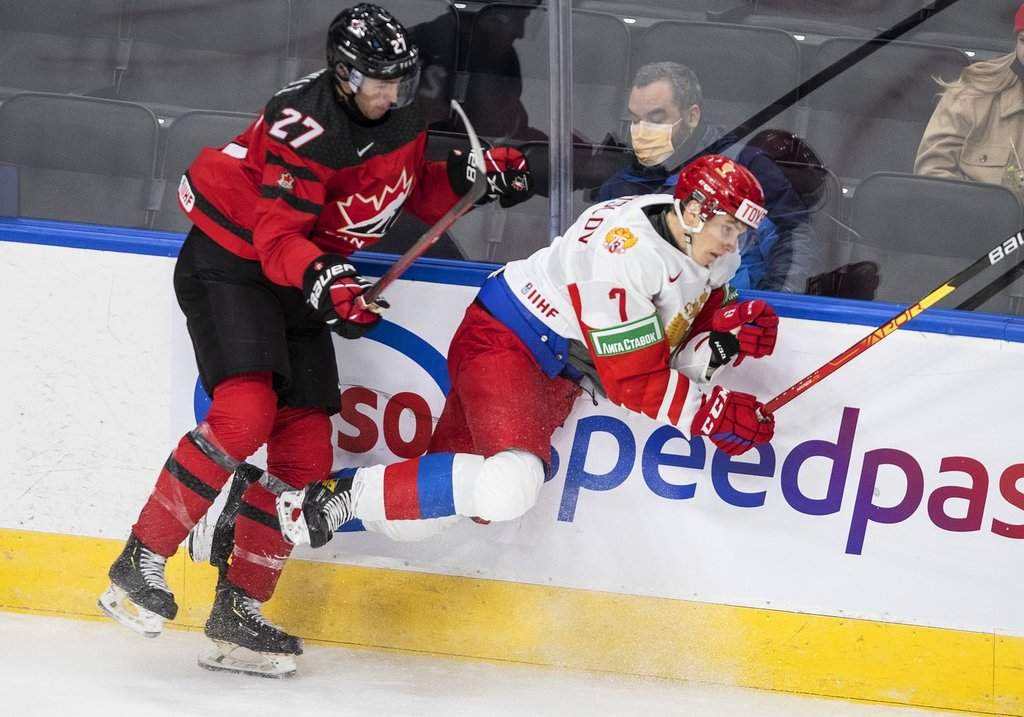
For hockey fans, the return of Russian squads brings back an elite competitive rivalry, especially at the junior level where Canada-Russia matchups are legendary. But the abruptness of the legal mandate means nobody was prepared for the fallout.
Hockey Canada has a tiny window to adapt to a reality nobody planned for when planning this year's tournament. Whether the IIHF can smoothly integrate Russian rosters into existing tournament brackets without descending into chaos will become clear over the next few weeks. Until then, tournament organizers are working overtime to figure out how to piece the puzzle back together before the puck drops on Boxing Day.