Trêves are fragile in total war. They rarely survive when strategic interests clash behind closed doors. Moscow just proved that brutal point once again.
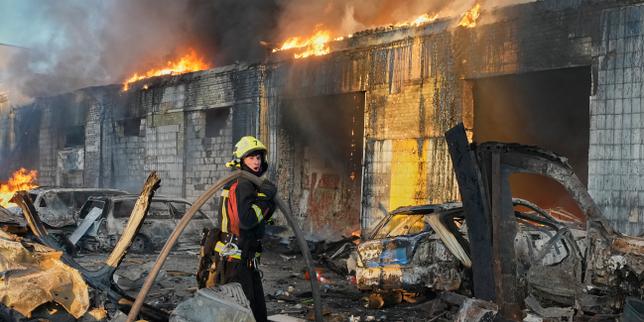
Russian forces unleashed a fresh wave of aerial bombardments on Kiev following a brief three-day pause in hostilities. The temporary halt had coincided directly with high-profile diplomatic visits from American emissaires to the Ukrainian capital. When those talks concluded and foreign delegations packed their bags, air raid sirens wailed across the city streets once more.
At least two civilians lost their lives in the renewed onslaught, while another eight individuals sustained injuries ranging from moderate to severe. Property damage piled up across multiple districts as residential zones absorbed the impact of incoming projectiles. The psychological toll on urban residents who caught a brief three-day breath is heavy. False security evaporates overnight when air defense batteries start firing into the dark sky.
The Short Lived Diplomatic Pause
Why did Moscow pause strikes for seventy-two hours in early September 2026? Tactical breathing room is part of the equation, but diplomatic optics play an enormous role. High-stakes negotiations require a temporary drop in kinetic intensity to let envoys move through the region with lower immediate risk. Yet these pauses carry zero long-term commitments.
Ukrainian foreign minister Andrii Sybiha didn't mince words regarding the renewed attacks. The resumption shatters any illusion that temporary lulls signal a shift toward genuine political settlement. Instead, military planners view these interludes merely as operational resets. Drones and missile inventories get restocked, target coordinates get updated, and launch platforms reposition while diplomats shake hands for the cameras.
Civilians in Kiev understand this grim cycle intimately. They didn't unpack their emergency go-bags or relax their vigilance during those three quiet days. Experience teaches them that silence from the eastern front lines is always temporary.
Escalation Cycles and Strategic Realities
The math of modern aerial warfare relies on saturation and psychological exhaustion. Moscow continues to target critical infrastructure and population centers to break national resilience. When missile salvos resume after a pause, the impact hits harder because people let their guard down even for a fraction.
Military analysts tracking the September 8 escalation note that specialized monitoring channels predicted this exact trajectory hours before the sirens started. The moment diplomatic missions wrapped up, preemptive intelligence pointed straight toward an immediate surge in aerial strikes.
You cannot view these brief ceasefires as peace initiatives. They are tactical maneuvers designed for specific diplomatic windows. Once those windows slam shut, the conflict returns to its default state of destruction with staggering speed.
Surviving the Next Wave
If you follow the conflict closely, you notice a recurring pattern. Every diplomatic push brings a fleeting calm, followed by an aggressive correction from Russian forces eager to reassert dominance on the battlefield.
Preparation remains the only reliable defense. Local air defense units continue upgrading interception rates, but falling debris from intercepted drones and missiles remains a deadly hazard for ground zero neighborhoods. Emergency services across Kiev remain on maximum alert, bracing for follow-up waves that typically accompany such major escalations.
The three-day window is closed. The reality of prolonged conflict takes over the headlines again, leaving citizens to adapt to the relentless rhythm of war.