The ballots are counted, and the outcome surprises absolutely no one. Russia just wrapped up its first parliamentary election since the full-scale invasion of Ukraine, and the ruling United Russia party has cruised to another predictable supermajority. Early numbers from the Central Election Commission show the Kremlin-backed party capturing nearly 58 percent of the party-list vote with a majority of precincts reporting.
If you are wondering why anyone bothers holding a vote when the outcome is written in stone years in advance, you have to look past the raw vote tallies. This exercise was never about a competitive transfer of power. It was a loyalty test designed to project total domestic stability while the country remains bogged down in a grinding war of attrition.
The Mechanics of a Controlled Landscape
Real political opposition didn't stand a chance on this ballot. Independent politicians and genuine critics of Vladimir Putin were barred from running, locked up, or forced into exile long before the first polling station opened. What is left is a sanitized political ecosystem where four compliant opposition parties—including the Communists and the nationalist LDPR—share the scraps. These factions routinely rubber-stamp Kremlin initiatives without offering any meaningful policy alternatives.
Voting stretched across multiple days, a format critics argue makes independent oversight nearly impossible. On top of that, election officials reported facing heavy cyberattacks originating from outside the country, adding a layer of digital friction to a process already heavily managed by state apparatuses.
Voting Behind Enemy Lines
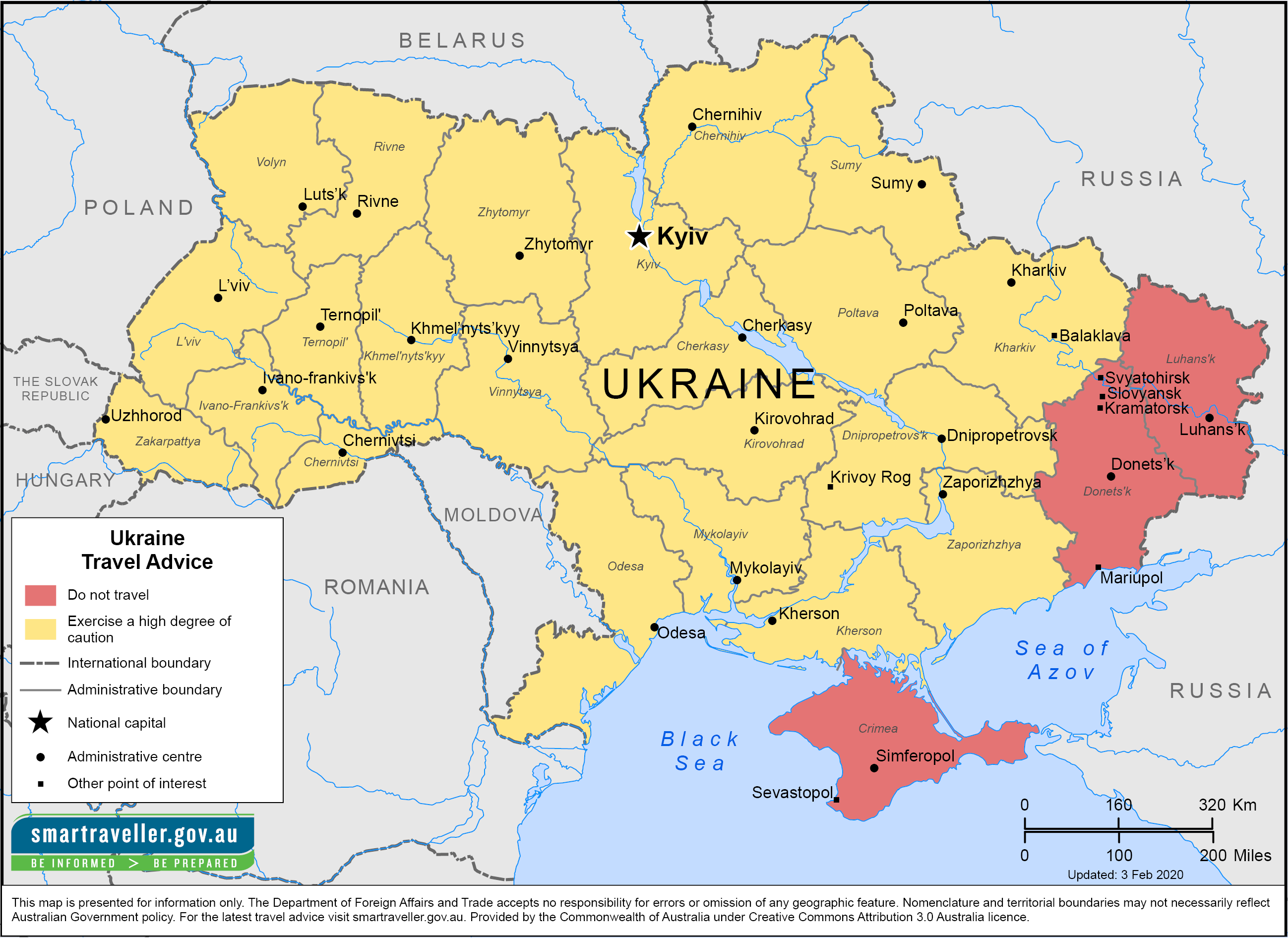
Perhaps the most contentious aspect of this cycle was the inclusion of occupied territories. Balloting was pushed into four Ukrainian regions illegally annexed by Moscow—Donetsk, Luhansk, Zaporizhzhia, and Kherson—alongside Crimea.
Kyiv flat-out condemned the vote as a brazen violation of its sovereignty, and international bodies like the European Union dismissed the exercise as completely illegitimate. For Moscow, however, integrating these conflict zones into the national electoral map serves a distinct propaganda goal. It's a way of signaling to domestic and international audiences that these regions are permanently fixed under Russian control, regardless of frontline realities or ongoing military disputes.
What Happens Next in the State Duma
With United Russia locking down control of both the party-list seats and the single-mandate districts, the 450-seat State Duma remains an extension of executive power. There will be no internal debate over military spending, no pushback against international sanctions, and no sudden shifts in foreign policy.
The Kremlin has successfully insulated its legislative branch from public discontent. When a state controls the media, eliminates dissenting voices, and regulates every variable of the ballot box, elections stop being a mechanism of choice and become a ritual of compliance. The war drags on, the political opposition remains nonexistent, and Moscow's power structure stays completely intact.