You didn't need to check the ballot boxes to know how this was going to end. When Russia wrapped up its first parliamentary vote since the invasion of Ukraine began, the numbers looked exactly how the Kremlin drew them up.
United Russia—Vladimir Putin's political machine—ran away with the results. With early tallies from the Central Election Commission pointing to roughly 58 percent of the party-list vote and a clear sweep in single-seat races, the State Duma remains locked down tight. No surprises. No shocks. Just raw, orchestrated political survival.
The Reality Behind the Wartime Ballot
Let's cut through the noise. Elections in wartime Russia aren't about changing leadership. They're about staging a loyalty test. The Kremlin needed a win to project absolute stability at home, signaling to both domestic critics and Western capitals that public backing for the war hasn't cracked.
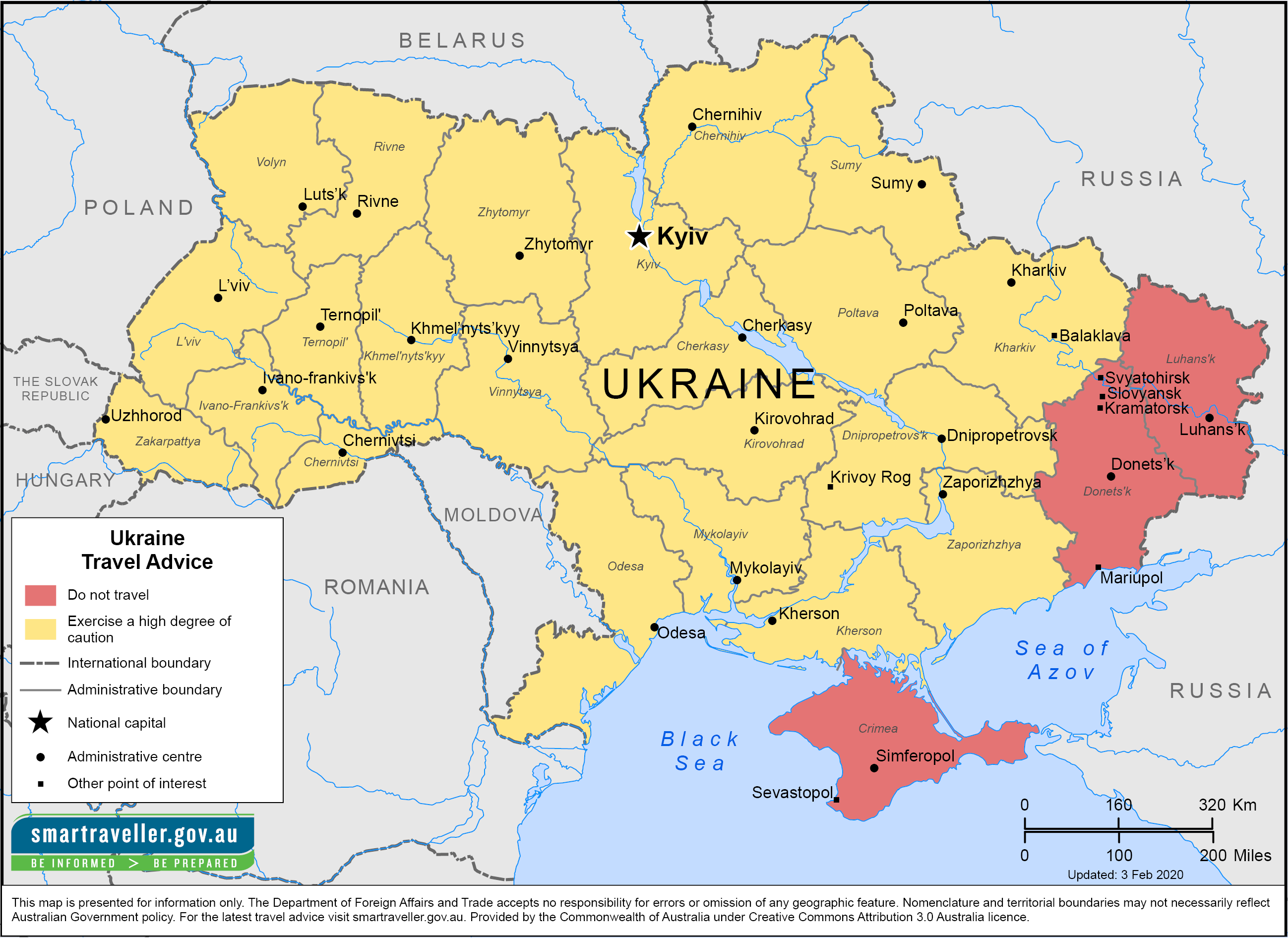
Over 111 million eligible voters across 83 regions cast ballots over a three-day stretch. That included polling stations hastily set up in four Ukrainian regions that Moscow illegally annexed after 2002's escalation—territories it doesn't even fully control. Kyiv called the whole exercise a sham. Western governments labeled it a violation of international law.
Moscow didn't care. The objective wasn't international validation. The objective was total domestic compliance.
How Dissent Got Erased Long Before Election Day
If you're wondering how a party keeps such ironclad dominance during an economic squeeze and escalating drone strikes inside Russian cities, look at the playbook.
Real opposition doesn't exist on the ballot anymore. Over the last few years, the Russian state systematically dismantled independent media, barred anti-war candidates from running, and criminalized public criticism of the armed forces. What was left? A carefully curated selection of token opposition parties—like the Communists and A Just Russia—that reliably rubber-stamp Kremlin legislation anyway.
State media ran a non-stop campaign framing the vote as a patriotic duty. If you voted for United Russia, you backed the troops. If you stayed home or dared to object, you were painted as a Western sympathizer.
What This Means for the Road Ahead
The result cements the status quo. United Russia retains its overwhelming grip on the 450-seat lower house. Putin's administration gets the legislative rubber stamp it needs to fund the military-industrial complex, pass restrictive domestic laws, and shrug off mounting international sanctions.
For ordinary Russians, nothing changes. The inflation is real, the security state is tighter than ever, and the war casts a long shadow over daily life. But inside the halls of power, the math worked. The Kremlin got its mandate, secured its parliament, and closed ranks for the long haul.