The West spent years cutting ties with Russian oil and gas, assuming nuclear power would provide a safe harbor. It turns out we just traded one energy dependency for another, and this time, the stakes are much higher.
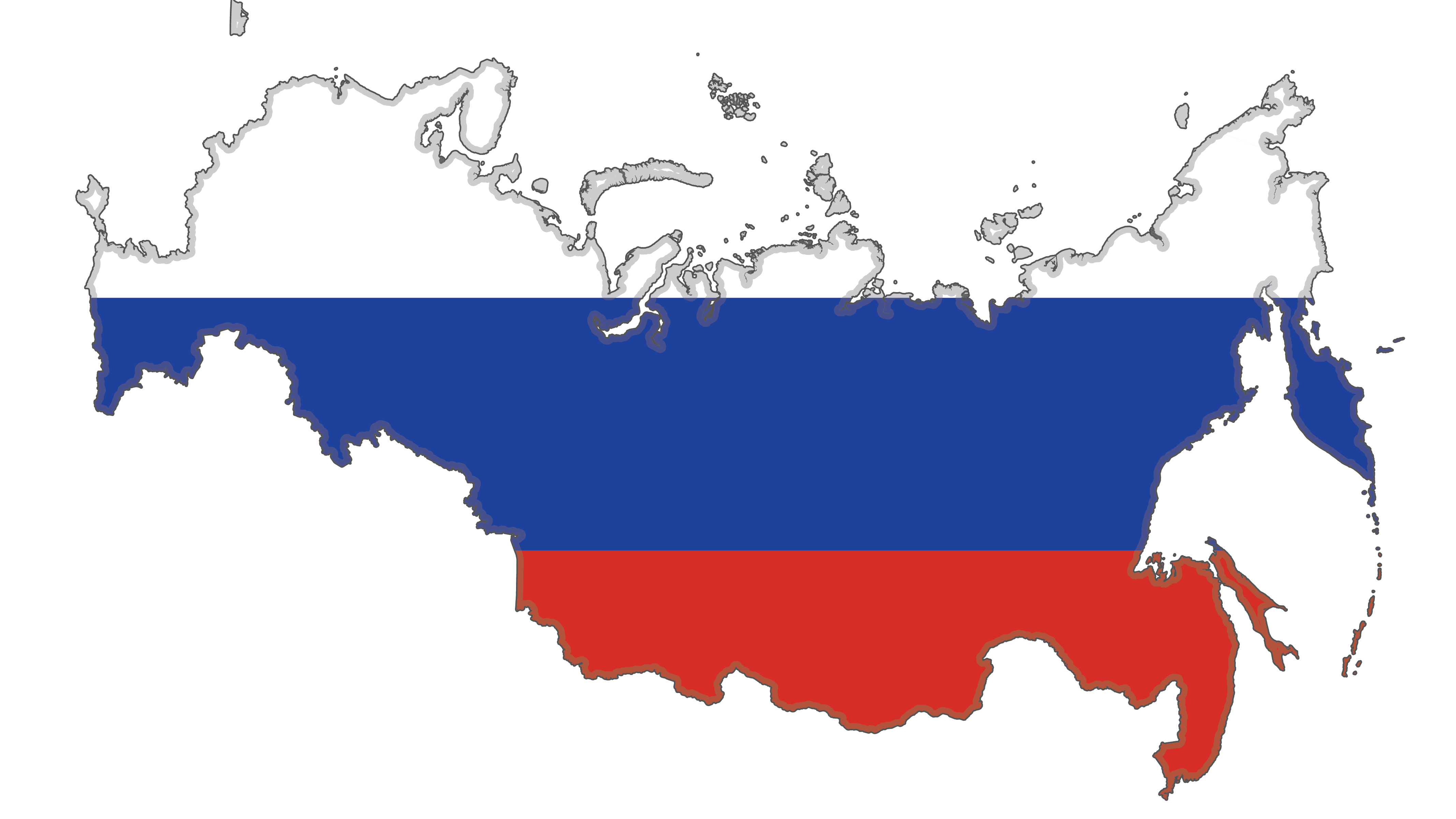
If you look closely at global nuclear supply chains, a quiet consolidation is happening. Russia’s state-owned nuclear corporation, Rosatom, is steadily expanding its footprint across international mining operations. Recent data from the Center for Strategic Advantage indicates that if current and planned projects pan out as expected, Moscow could control over a third of the world's mined uranium supply by 2040. Right now, Russia only accounts for about 5% of direct domestic production. But when you factor in foreign assets and key deposits controlled through subsidiaries like Uranium One—particularly in places like Kazakhstan—that global footprint jumps closer to a quarter of key capacity.
That discrepancy is precisely what western policymakers are missing. We aren't just talking about raw yellowcake sitting in a warehouse. We are talking about dominance over enrichment, conversion, and global mining choke points.
The Illusion of Diversification
Uranium isn't like oil. You can't just flip a switch and open a new mine in a few months. When global uranium prices stayed in the gutter for years following the Fukushima disaster, exploration budgets dried up and mines shut down. Bringing a new site online takes over a decade of regulatory approvals, environmental assessments, and massive capital investments.
While western energy companies hesitated, Rosatom kept investing. They secured stakes, built long-term infrastructure, and locked down processing contracts across the globe.
Sarah Forman, strategy director at Urenco, put it bluntly: governments need to send a clear signal that nuclear energy is staying in the long-term energy mix so businesses can safely invest. Right now, that signal is far too weak. While countries across the US and Europe talk aggressively about phasing out Russian low-enriched uranium, replacement enrichment facilities in the West are moving at a glacial pace. Rosatom remains deeply embedded in the daily operations of global nuclear fuel delivery.
What Happens When Demand Spikes
Global demand for nuclear fuel is surging. Driven by a push to triple nuclear capacity by 2050 and the massive power needs of modern AI data centers, new reactors are creeping onto the drawing boards. But there is a yawning gap between ambition and actual construction.
If global energy strategies rely on ramping up atomic power while ignoring who controls the fuel cycle, we are walking straight into a trap. Dependence on Russian-controlled uranium assets by 2040 could easily mirror the catastrophic oil and gas vulnerabilities Europe faced in 2022.
You cannot claim to have energy independence while your reactors rely on processing capacity controlled by a geopolitical rival.
Fixing the Blind Spot
Building out a resilient nuclear fuel supply chain requires more than empty political rhetoric. It takes aggressive capital deployment, fast-tracked domestic enrichment capabilities, and long-term purchasing agreements between allied nations like Canada, Australia, and the US.
Governments need to underwrite the massive upfront costs of uranium mining and conversion infrastructure today. If we wait until the supply deficit hits critical mass, it will already be too late. Stop treating nuclear fuel like a plug-and-play commodity. Secure the supply chain now, or pay the price later.