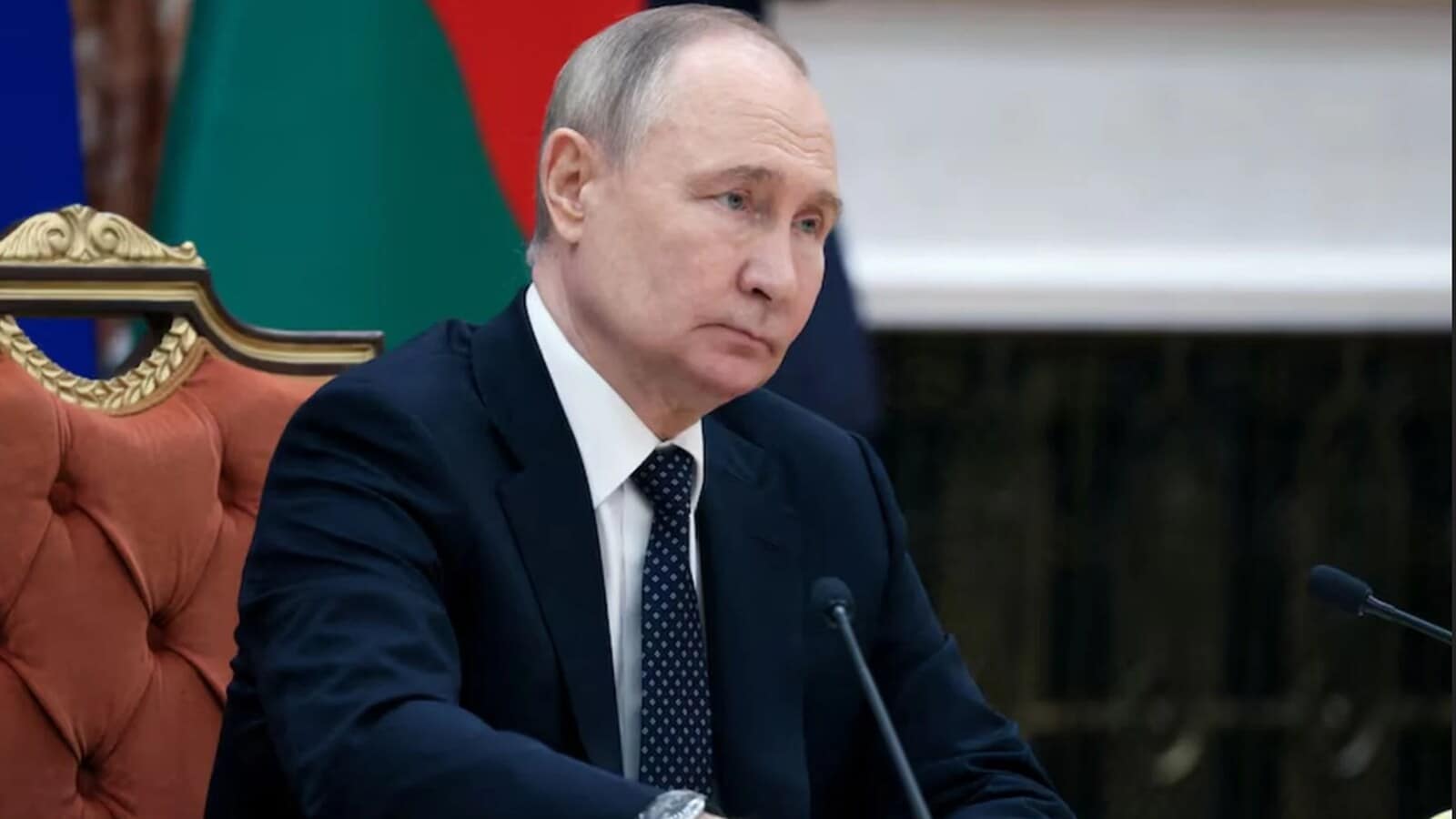
Russia just finished its first parliamentary election since launching its full-scale invasion of Ukraine, and the outcome surprises absolutely no one. Early returns released by the Central Election Commission show Vladimir Putin’s ruling United Russia party pulling in nearly 58 percent of the vote with roughly 58 percent of precincts counted.
If you expected a dramatic political upset, you weren't paying attention. The Kremlin made sure this vote served one specific purpose: rubber-stamping state policy while silencing every shred of genuine dissent.
How United Russia Secured Its Landslide
The mechanics of this victory are straightforward. Out of the 450 seats in the State Duma, half are apportioned by party lists and the other half are contested in single-seat races. United Russia dominated both tracks.
The party grabbed roughly 58 percent of the party-list vote and positioned itself to sweep the vast majority of single-member constituencies. Trailing far behind were the usual suspects. The Communist Party secured around 14 percent, while the nationalist Liberal Democratic Party hovered near 9 percent. New People, a business-friendly option, cleared the 5th threshold to return to the chamber.
These minority parties aren't true opposition. They function as loyal opposition, routinely backing Kremlin initiatives without rocking the boat.
The Sidelining of Real Dissent
You can't lose an election if your opponents aren't allowed on the ballot. That has been the Kremlin's playbook for years, but the crackdown intensified ahead of this cycle.
The liberal Yabloko party, which dared to campaign on an anti-war platform, was wiped from the party list last month by Russia’s Supreme Court under the guise of technical electoral violations. Independent watchdogs and journalists documented numerous irregularities, including sealed ballot boxes being opened and observers getting blocked from polling stations.
Turnout reached an official 57 percent, a figure state media points to as proof of national unity. Independent monitors view that number through a completely different lens, citing widespread administrative pressure on state workers to cast ballots.
Voting Under Fire
This election extended beyond Russia's internationally recognized borders. Balloting took place in Crimea and across four partially occupied Ukrainian regions annexed by Moscow. Kyiv labeled the voting illegal under international law, while European Union officials condemned it as a blatant violation of sovereignty.
To add to the tension, the final days of the vote coincided with heavy drone attacks inside Russian territory. Moscow's Defense Ministry claimed to intercept over a thousand drones across multiple regions and Crimea, marking one of the largest aerial barrages of the conflict.
What This Means for Putin's Power
United Russia has held a commanding majority in the lower house since 2003. This victory locks in a supermajority of more than two-thirds of the seats, ensuring Putin faces zero legislative resistance as the war in Ukraine drags on.
With control of the parliament firmly secured, the Kremlin can press forward with its domestic and foreign agendas without fear of political friction. Dissent remains criminalized, independent media is exiled or dismantled, and the political machine runs exactly as intended.