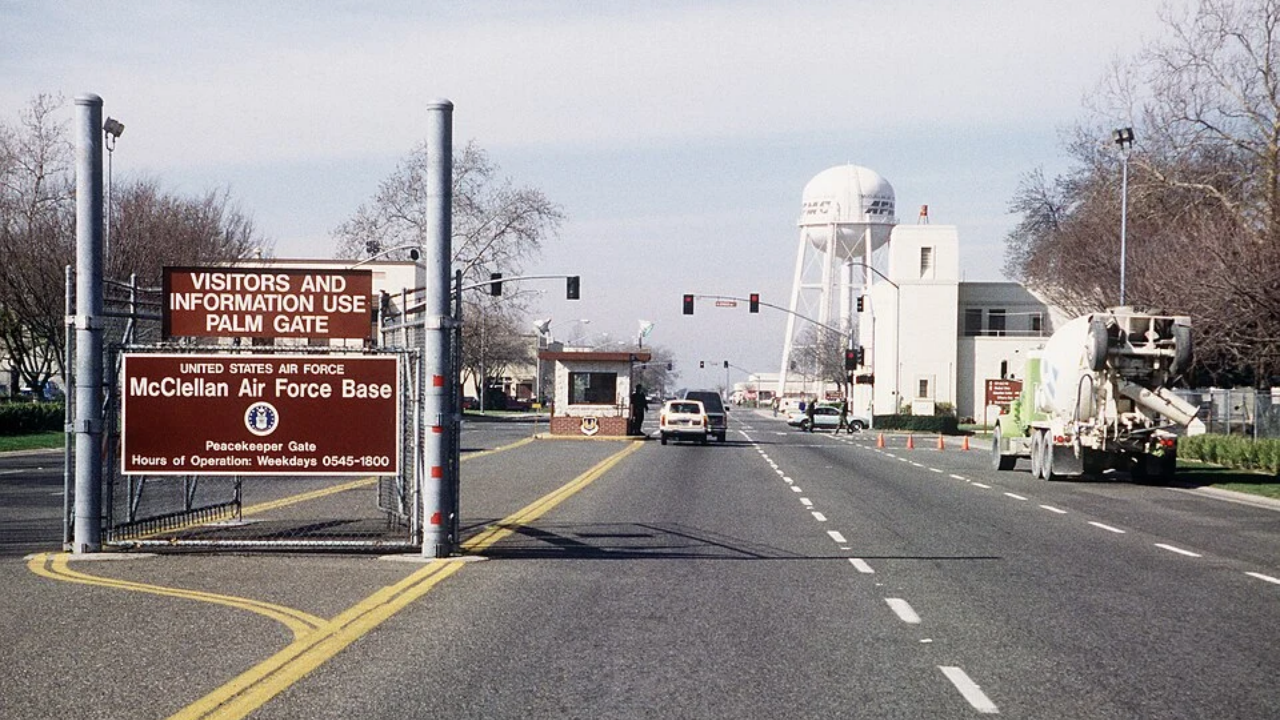
When a military installation shuts its gates, local economies usually panic. Sacramento watched McClellan Air Force Base close its doors in July 2001 with plenty of dread. Thousands of jobs hung in the balance. People wondered how a sprawling 3,000-acre footprint could ever avoid becoming a ghost town of rusting hangars and bureaucratic red tape.
Twenty-five years later, the story looks completely different.
The site is now McClellan Park. It stands as an industrial and business hub boasting roughly six hundred million dollars in total investment, ten million square feet of active buildings, and a thriving public-use airport. Instead of letting federal land rot, Sacramento planners and private developers pulled off one of the most successful base conversions in modern American history.
The Strategy Behind the Transformation
Most communities fail when federal installations close because they wait for permission. Sacramento didn't wait.
Before the base officially locked its gates under the Base Realignment and Closure process, leaders initiated a smart strategy known as a "hot transfer." They brought private businesses directly into vacant buildings ahead of schedule. This move kept skilled workers employed and bypassed the multi-year lag that usually kills economic recovery projects.
You don't rebuild a local economy by starting from scratch. You reuse what's already there. McClellan Park absorbed ten million square feet of existing structures without forcing companies to pour billions into concrete and steel from day one. Warehouses became logistics centers. Offices filled up with private companies and government agencies.
Repurposing Military Architecture
Military bases come with quirky, heavy-duty architecture. Smart developers don't tear down old bunkers and hangars; they reinvent them.
Walk through McClellan Park today and you will spot everyday civilian life operating inside former military utilities. The old Air Force officers' club operates as a popular local restaurant called The Officer's Club. The base's old fitness center transformed into a California Family Fitness location. Even the former bowling alley found a new purpose as a classroom and learning hub managed by Gateway Community Charters.
These aren't cosmetic updates. They reflect deep structural adaptation. The site handles between fifteen thousand and seventeen thousand daily visitors, functioning much like a dense suburban downtown rather than a sealed military zone.
The Aviation and Logistics Edge
An air base needs heavy infrastructure, which turned out to be the site's greatest commercial asset.
The property features a massive 10,600-foot runway, keeping the airfield alive as a public-use airport geared toward general aviation. Beyond aviation, the industrial park features seven miles of on-site railway lines directly linked to major freight networks like Union Pacific and BNSF.
Companies care about shipping speed and supply chain access above all else. Having an airport runway and private rail spurs on the exact same property gives logistics firms a massive operational advantage. That infrastructure explains why occupancy rates hover around ninety percent and why another five million square feet of potential development remains on the drawing board.
Facing the Environmental Reality
No major military base conversion happens without a fight against legacy pollution. Decades of aircraft maintenance, chemical handling, and waste disposal left behind toxic soil and groundwater.
If you ignore the contamination, investors run away. Sacramento and the U.S. Air Force tackled the problem head-on through joint agreements aimed at accelerating cleanups so land could transfer to private hands safely.
The restoration project involved investigating hundreds of individual sites. Crews deployed groundwater treatment systems, soil remediation techniques, and protective caps over sensitive zones. The U.S. Environmental Protection Agency even recognized the site for setting a high standard in turning contaminated federal land back into productive economic engine space.
Lessons From Sacramento's Success
Military base closures usually trigger years of decline. McClellan Park proved that aggressive early planning, creative infrastructure reuse, and transparent environmental cleanup can reverse the curse.
When you combine existing industrial weight with commercial flexibility, old defense assets find new life. Twenty-five years after the last bomber rolled away, McClellan Park proves that adaptation beats abandonment every single time.