Tiny islands spark massive diplomatic storms. Right now, Saint-Pierre-et-Miquelon sits squarely in the geopolitical crosshairs.
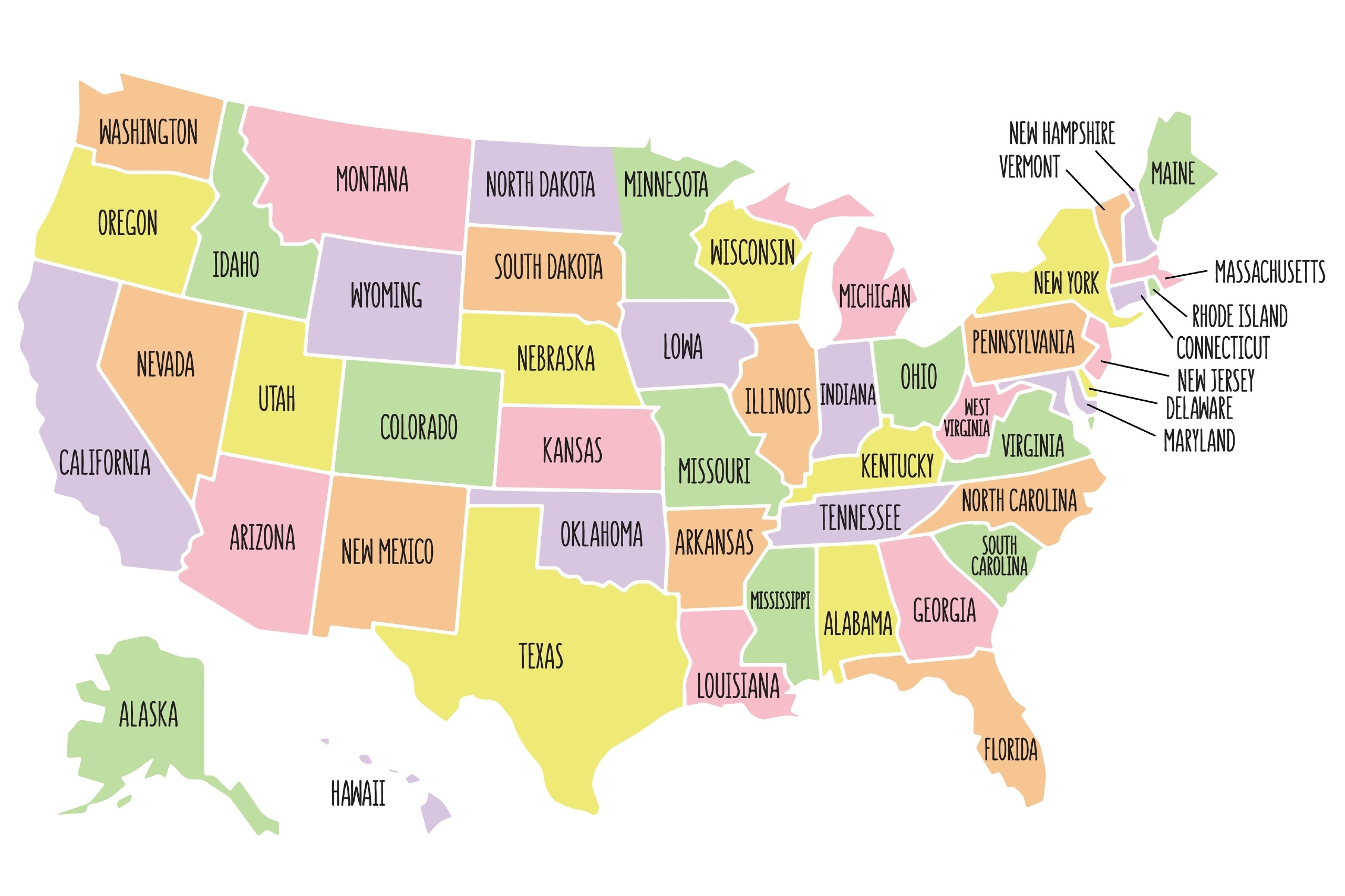
If you map out France, you look toward Western Europe. Yet, look across the Atlantic Ocean, just off the southern coast of Newfoundland, Canada, and you will find a distinct piece of French territory. Saint-Pierre-et-Miquelon is an archipelago spanning roughly 242 square kilometers, home to around six thousand citizens who carry French passports, use the euro, and vote in European elections. It's an outpost of the European Union nestled tightly inside North American waters.
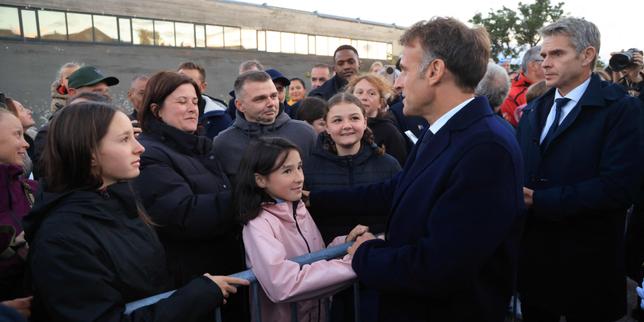
Recently, that remote archipelago transformed into a flashpoint. Donald Trump’s renewed expansionist rhetoric regarding territorial acquisitions and resource-rich arctic or near-arctic regions brought unexpected global attention to these quiet fishing islands. Emmanuel Macron didn't hesitate. He flew straight to the territory to deliver an uncompromising message: Saint-Pierre-et-Miquelon is French, and it stays French.
You might wonder why an American president's rhetoric about expansion would target a tiny French territory, or why Paris treats this remote grouping of rocks and fishing villages with absolute gravity. Let's break down the history, the current maritime stakes, and why this story matters far beyond local headlines.
The Unique Identity of French North America
People forget that France once controlled vast swaths of North America. New France stretched from Quebec down through the Mississippi basin. When the Treaty of Paris was signed in 1763, France lost almost all of its North American possessions to Great Britain. Saint-Pierre-et-Miquelon remained the sole surviving remnant of that vast colonial empire.
Walking through the town of Saint-Pierre feels surreal. You hear French accents, buy baguettes at local boulangeries, and see French gendarmerie patrol cars, all while surrounded by the rugged, windy landscapes typical of Atlantic Canada. The local economy historically relied heavily on cod fishing. When the Canadian government imposed a devastating cod moratorium in 1992 due to overfishing, the islands faced a severe economic crisis. They had to pivot toward aquaculture, crab fishing, and tourism.
Despite economic shifts and geographic isolation, the inhabitants maintain a fierce loyalty to their identity. They aren't looking to become part of Canada, nor are they interested in becoming an American territory. When outside powers start floating casual expansionist ideas, it threatens more than just a map line. It threatens a community's entire way of life.
Why Trump's Rhetoric Triggered Alarm Bells in Paris
Geopolitics rarely operates in a vacuum. When Donald Trump makes remarks hinting at territorial expansion, purchasing land, or asserting dominance over strategic maritime corridors, European capitals listen very closely.
Saint-Pierre-et-Miquelon represents a major strategic anchor for France and the European Union in the North Atlantic. It guarantees France voting rights and influence within regional fisheries management organizations. More importantly, it secures an exclusive economic zone (EEZ) stretching across thousands of square kilometers of ocean.
An EEZ isn't just about fish. It covers vast seabed resources, potential energy reserves, and crucial shipping and defense surveillance lanes. As Arctic ice melts and northern sea routes open up, every square mile of maritime jurisdiction gains astronomical value. When a prominent American political figure tosses out expansionist talking points, European leaders understand the underlying subtext. It's about resources, maritime boundaries, and global positioning.
Macron’s trip was a deliberate counter-strategy. By touching down on local soil, he visually and verbally reinforced national sovereignty. He made it clear that European borders don't stop at the edge of the continent.
The Legal and Diplomatic Reality Behind the Posturing
Can anyone just buy or absorb a sovereign territory today? International law says no. Saint-Pierre-et-Miquelon holds the status of an overseas collectivity (collectivité d'outre-mer) of the French Republic. Changing that status requires constitutional reform in Paris and, crucially, the democratic consent of the local population via a referendum.
Local leaders made their stance crystal clear during the visit. The municipal councils and regional representatives welcomed the French president with strong affirmations of their allegiance. They don't view themselves as bargaining chips in a transatlantic real estate negotiation.
Yet, words matter in international relations. When expansionist rhetoric comes from Washington, it forces smaller allies to test their security guarantees. France carries nuclear weapons, holds a permanent seat on the United Nations Security Council, and champions European strategic autonomy. Macron's visit served as a physical manifestation of that autonomy. He basically told the room that France protects every inch of its territory, no matter how far away it sits from the mainland.
What Most Observers Miss About Atlantic Geopolitics
Most international news focuses on Eastern Europe, the Middle East, or the South China Sea. We tend to ignore the Atlantic basin because it feels stable and predictable. That assumption is fading fast.
The North Atlantic is turning into a contested zone for submarine cables, fishing rights, and naval positioning between NATO allies, Russia, and rising global contenders. Saint-Pierre-et-Miquelon is a listening post and a sovereign flag planted firmly in North American waters. If France lost or abandoned this territory, it would lose its direct seat at the table for North Atlantic marine governance.
Furthermore, Canada watches these developments with a mixture of polite detachment and quiet vigilance. Canada and France share a maritime border thanks to Saint-Pierre-et-Miquelon—a border that was settled only after years of intense international arbitration in 1992. Any American threat or rhetoric targeting the islands immediately ripples through Ottawa's foreign policy calculus. Canadian officials have zero interest in a destabilized territorial dispute right in their backyard.
Navigating the Noise Moving Forward
If you are trying to understand where this situation goes next, cut through the political theater.
First, watch how maritime enforcement and fishing quotas evolve in the North Atlantic over the next twelve months. Frictions over cod, crab, and seabed mining rights will likely intensify as climate change alters marine ecosystems.
Second, pay attention to European defense postures regarding overseas territories. France maintains military footprints in the Caribbean (Guadeloupe, Martinique), the Indian Ocean (Réunion, Mayotte), and the Pacific (New Caledonia, French Polynesia). Each territory presents a unique set of sovereignty challenges. Saint-Pierre-et-Miquelon is the northernmost test case for how Paris defends its distant borders against modern geopolitical posturing.
Don't expect the islands to change hands. Do expect leaders to keep using them as chess pieces to signal strength, resolve, and territorial integrity in an increasingly volatile world. Check your assumptions about where borders matter. The smallest dots on the map often hold the keys to the biggest strategic games.