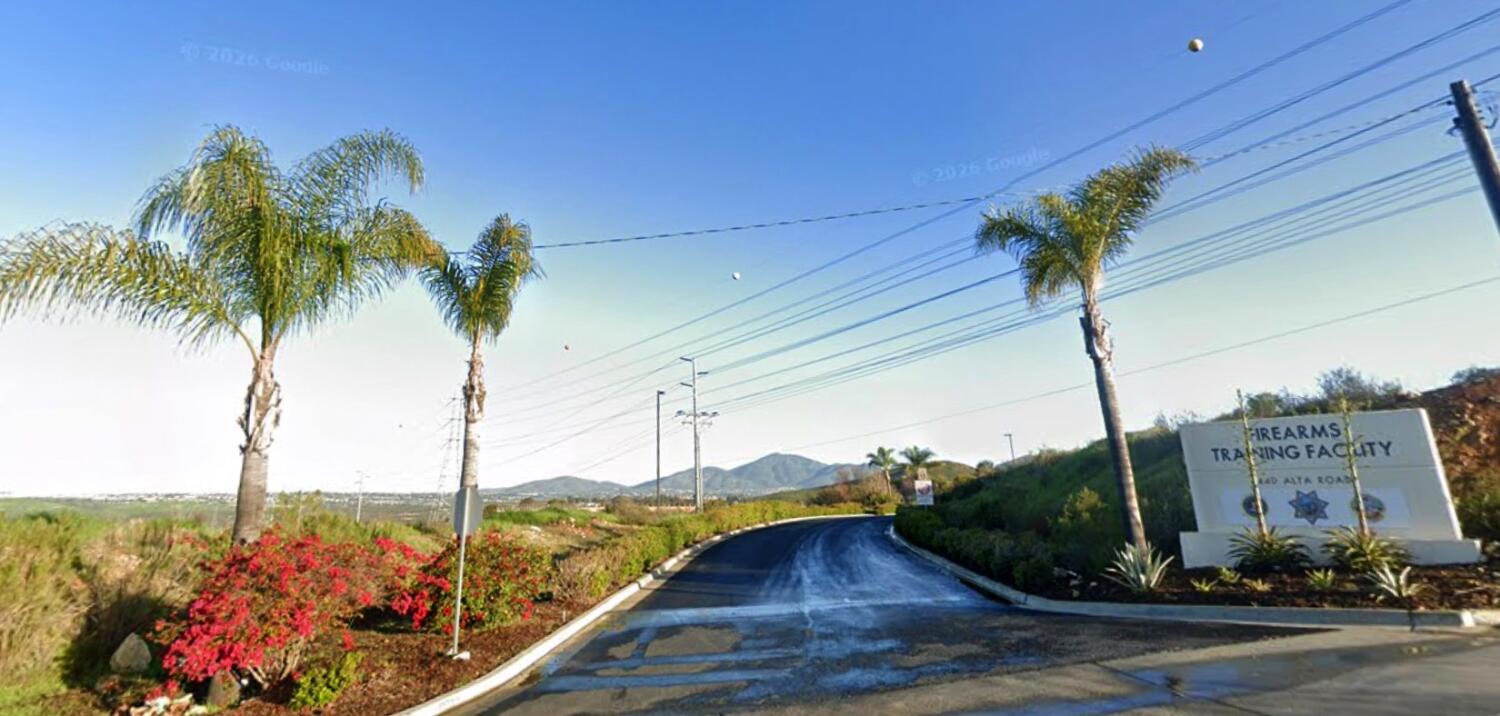
San Diego County just fired a warning shot across the bow of federal immigration agencies. On August 18, 2026, the Board of Supervisors voted 3-2 to boot U.S. Immigration and Customs Enforcement (ICE) and U.S. Customs and Border Protection (CBP) from county-owned shooting ranges. It’s a move that sounds like a minor administrative change, but it’s actually a massive political standoff.
Basically, the county told these federal agents their guns aren't welcome on local property. But this isn't just about bullet casings. It’s about who controls local resources when federal and local priorities collide.
The split between policy and logistics
The vote itself was narrow. Supervisors Paloma Aguirre and Terra Lawson-Remer pushed the agenda, arguing that local facilities shouldn't enable federal operations that they claim create fear within immigrant communities. They’ve tied this to broader civil rights concerns, insisting that letting these agencies use county-owned land—like the regional training center in Otay Mesa—is a tacit endorsement of federal policies many locals vehemently oppose.
But then there's the Sheriff’s office. Sheriff Kelly Martinez walked a tightrope. She quickly announced she would follow the board's order to cut off ICE. She drew a line, however, when it came to CBP.
The Sheriff knows the reality of the border. If CBP agents can't train locally, they have to leave the region to maintain their mandatory firearms qualifications. That means fewer boots on the ground at ports of entry. That means longer lines at the border for workers, students, and businesses. She’s effectively arguing that while she understands the politics, the operational reality of living in a border-adjacent county matters more.
Why this matters for the average commuter
You might wonder why a training range agreement worth roughly $170,000 annually is worth a full-blown crisis. The supervisors argue it’s the principle. They say you can't tear families apart on the weekdays and rent the local shooting range on the weekend.
The other side is more pragmatic. If CBP officers are forced to travel out of the region to requalify, they aren't just missing training days. They’re missing shifts. The logic is simple:
- Reduced staffing: Mandatory training takes officers away from their posts.
- Increased wait times: Fewer lanes at the border mean gridlock.
- Economic impact: Trade and commerce rely on efficient border throughput.
Aguirre and other supporters call these warnings "scare tactics." They insist that the federal government has plenty of its own resources and that these facilities aren't the only way to keep the border functional. They’re betting that the federal government will simply adapt, rather than let the borders turn into parking lots.
The deeper political divide
This wasn't an isolated decision. It’s a direct response to the intense federal immigration crackdown that has been in full swing for over a year. Thousands have been caught up in these operations. For many in San Diego, the firing range was the most visible, physical connection between their local government and federal enforcement.
The Board of Supervisors is clearly signaling they want no part of it. But in a 3-2 vote, it’s obvious this isn't settled law in the eyes of the public. Supporters see a moral victory. Opponents see a reckless interference with federal law enforcement that punishes the entire region to score political points.
What comes next for the region
The clock is ticking. The license agreements for these facilities are slated to end 10 days after the federal government receives formal notice. That’s a very short window for any agency to find new training grounds.
If you’re a resident, watch the border wait times. That’s where the real-world consequences of this vote will show up first. If lines start backing up, expect the pressure on the Board of Supervisors to intensify. If the federal government manages to shuffle its training requirements without a hitch, the supervisors will likely claim total vindication.
This is a high-stakes game of chicken between local leadership and federal mandates. The county thinks it's holding the cards by controlling the facilities. The federal agencies are betting that the public will blame the board if their daily commute becomes a nightmare.
Whatever your take, one thing is certain: in San Diego, the border isn't just a physical line. It's a constant, evolving conflict over how local power can—or should—resist federal policy. This range ban is just the latest skirmish. Don't expect it to be the last.